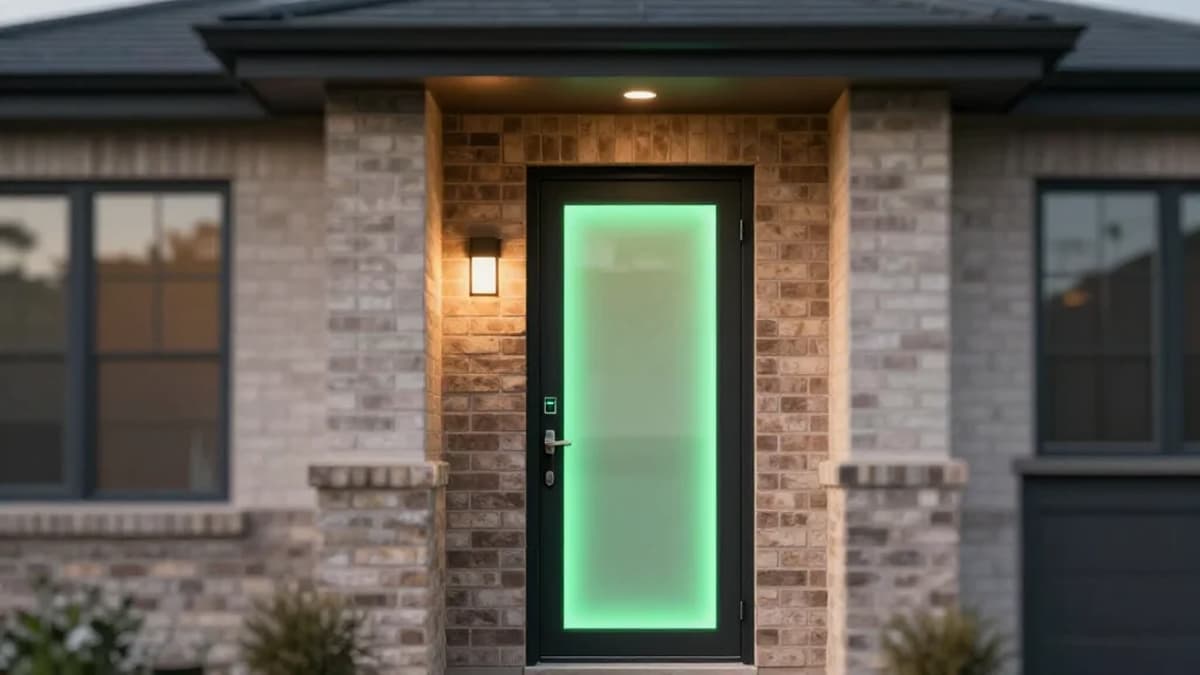
Pressure Mounts for Mandatory Disclosure of Home Energy Efficiency Ratings
•February 26, 2026
0
Why It Matters
Mandatory disclosure would give buyers and renters transparent cost expectations, reducing energy‑bill shock and incentivising upgrades across the rental market.
Key Takeaways
- •70% SA homes pre‑2003 lack efficiency standards
- •Average Australian home rating 1.7 stars
- •New homes must meet 7‑star rating under NCC
- •RAA urges mandatory energy rating disclosure at sale/lease
- •Renters face higher bills; landlords lack upgrade incentives
Pulse Analysis
Australia’s housing stock is a patchwork of legacy construction and modern efficiency standards. While the National Construction Code now mandates a 7‑star rating for new builds, roughly 70% of South Australian homes were erected before the 2003 minimum standards, resulting in an average rating of just 1.7 stars nationwide. This disparity translates into significantly higher heating and cooling costs, with low‑rated homes consuming up to four times the energy of their high‑rated counterparts. The lack of transparent information at the point of transaction leaves consumers guessing about future utility expenses, a risk that is magnified amid rising living costs.
For renters, the problem is compounded by limited control over property upgrades. Landlords in many jurisdictions face no regulatory pressure or financial incentives to retrofit insulation, upgrade appliances, or replace inefficient air‑conditioning units. As a result, tenants often shoulder disproportionate energy bills without recourse. South Australia’s situation mirrors that of other states, yet contrasts with the ACT’s long‑standing mandatory disclosure regime and Victoria’s recent rental‑property insulation standards. These precedents demonstrate that policy can shift market behaviour, encouraging landlords to invest in energy‑saving measures that benefit both occupants and the broader grid.
Implementing mandatory energy‑efficiency disclosures would create a level playing field, allowing buyers and renters to compare properties on a cost‑of‑ownership basis, much like vehicle fuel‑economy labels. Such transparency could spur demand for higher‑rated homes, prompting owners to retrofit older stock to remain competitive. In turn, improved building performance would reduce peak demand, lower greenhouse‑gas emissions, and alleviate pressure on health services during extreme weather events. The RAA’s call for comprehensive disclosure, coupled with targeted landlord obligations, could catalyse a market‑driven upgrade cycle, delivering tangible savings for households and advancing Australia’s climate objectives.
Pressure mounts for mandatory disclosure of home energy efficiency ratings
0
Comments
Want to join the conversation?
Loading comments...