Probe Into Offshore Rig Incident Uncovers Serious Breaches
Companies Mentioned
Why It Matters
The order highlights systemic safety failures on a key North Sea rig, prompting tighter oversight that could reshape offshore drilling standards across Europe. Failure to comply may jeopardize Odfjell’s contracts and the broader industry’s safety reputation.
Key Takeaways
- •Odfjell Drilling ordered to fix lifting‑operation safety gaps.
- •Incident involved 2.67‑tonne tool swinging onto deck operator.
- •Regulator cited inadequate inventory, expertise, and safety culture.
- •Compliance deadlines set for June and October 2026.
- •Deepsea Nordkapp rig’s contract extended through 2026.
Pulse Analysis
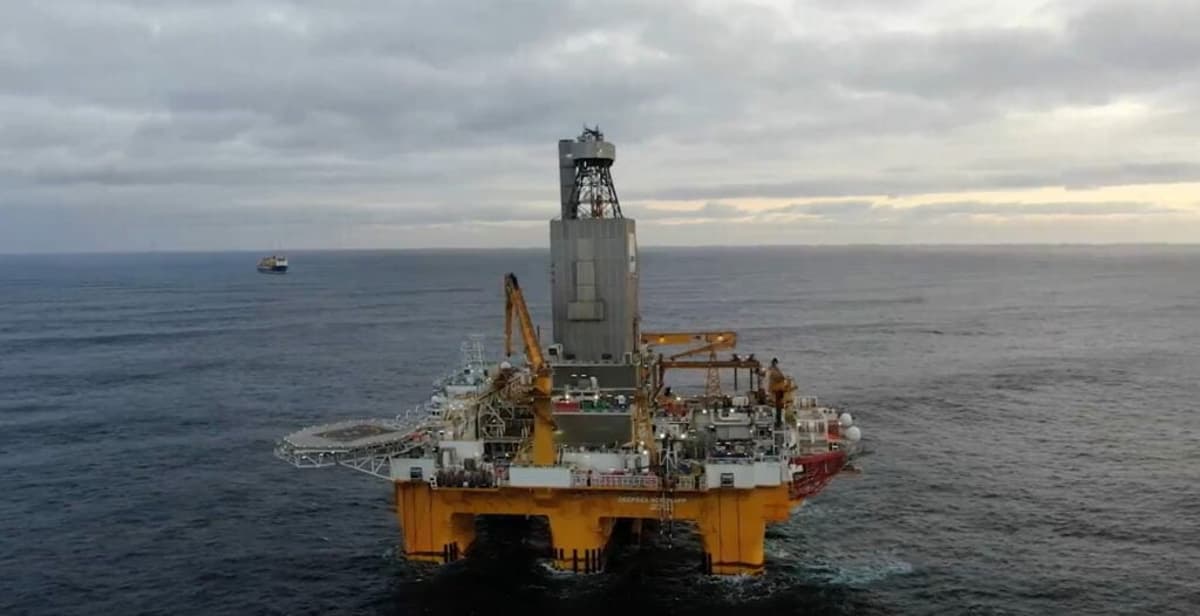
The Havtil investigation into the Deepsea Nordkapp accident underscores how a single lifting mishap can expose deep‑seated safety deficiencies in offshore drilling operations. While the rig was performing drilling and completion work on Aker BP’s Symra field, a 2.67‑tonne logging tool broke free from the starboard knuckle‑boom crane, striking a deck operator and causing serious injuries. The regulator’s findings pinpointed four non‑conformities—poor planning, inadequate shift handovers, weak hazard handling, and insufficient follow‑up—rooted in broader issues such as incomplete inventory oversight, limited technical expertise, and a lax safety culture.
For Odfjell Drilling, the compliance order carries immediate operational and reputational stakes. The company must demonstrate concrete corrective actions by early June 2026, including a review of lifting‑operation competence, revamped handover meetings, and risk‑based follow‑up procedures. Missing these milestones could trigger further sanctions, contract penalties, or even suspension of its North Sea activities, jeopardizing the extended two‑year assignment on the Deepsea Nordkapp that was originally slated to end in 2024. The incident also serves as a cautionary tale for other contractors operating on the Norwegian Continental Shelf, where regulators are increasingly scrutinizing safety management systems.
Industry‑wide, the case may accelerate a shift toward more rigorous safety governance across Europe’s offshore sector. Investors and operators are likely to demand higher standards of training, inventory control, and incident reporting to mitigate the financial and legal fallout of similar events. As the offshore market seeks to balance cost pressures with safety imperatives, Odfjell’s response could set a benchmark for compliance best practices, influencing future contract negotiations and potentially prompting tighter regulatory frameworks that prioritize worker protection over operational expediency.
Probe into offshore rig incident uncovers serious breaches
Comments
Want to join the conversation?
Loading comments...