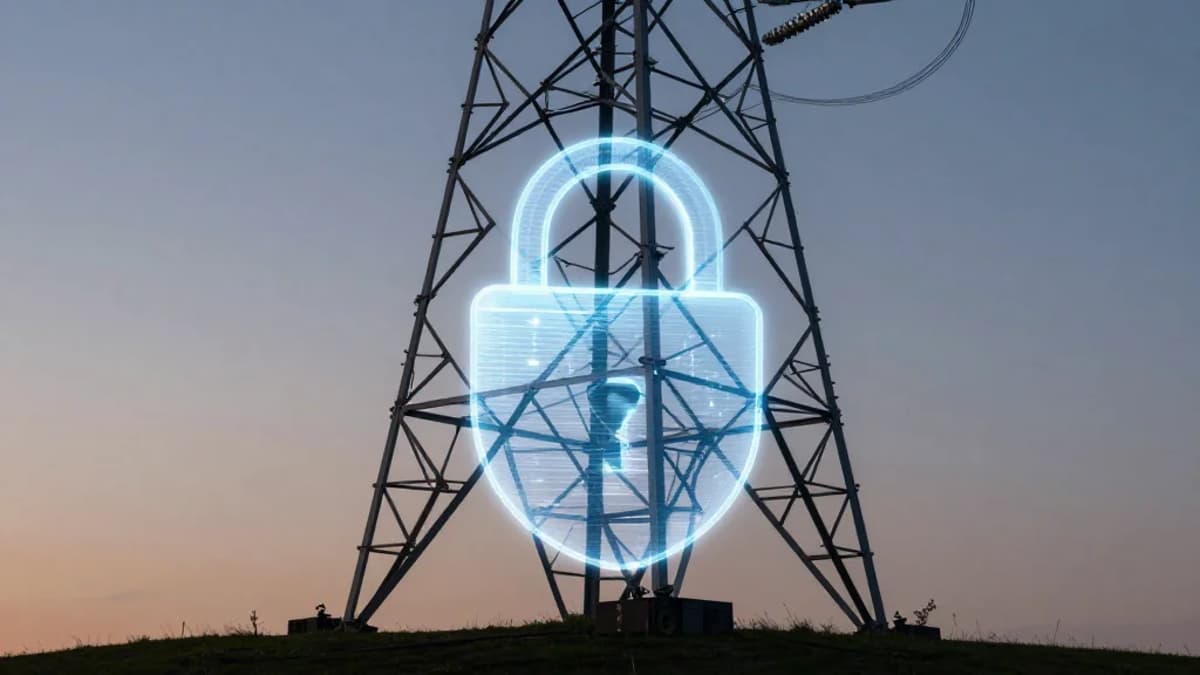
Protecting the Electricity Grid Is Crucial for National Security
•March 6, 2026
0
Why It Matters
A secure, resilient power grid safeguards economic stability and prevents adversaries from exploiting energy vulnerabilities. The message underscores why utilities and governments must prioritize grid hardening now.
Key Takeaways
- •Grid resilience essential for national security
- •Cyber threats target power infrastructure
- •Hitachi Energy offers grid modernization solutions
- •Investment in smart grid tech reduces outage risk
- •Public‑private partnerships accelerate grid protection
Pulse Analysis
A reliable electricity grid underpins everything from hospitals to data centers, making it a strategic asset in any nation’s security architecture. Recent high‑profile cyber intrusions and extreme weather events have exposed how fragile legacy systems can be, prompting policymakers to treat grid protection as a defense priority. The convergence of physical sabotage risks and sophisticated ransomware attacks means that a single breach could cascade into widespread economic disruption, underscoring the urgency of comprehensive resilience strategies.
Modernization efforts focus on embedding intelligence into every segment of the network. Technologies such as digital twins, AI‑driven load forecasting, and automated fault detection enable utilities to anticipate failures before they occur. Hitachi Energy, leveraging its expertise in high‑voltage equipment and grid‑scale storage, offers modular solutions that integrate renewable sources while maintaining stability. The market for smart‑grid components is projected to exceed $150 billion by 2030, driven by regulatory mandates and the need for faster restoration after outages.
Policy frameworks are evolving to support these investments. Federal initiatives like the Grid Resilience and Innovation Partnership encourage public‑private collaboration, unlocking funding for pilot projects and standards development. Utilities that adopt advanced monitoring and decentralized micro‑grid architectures can not only meet regulatory expectations but also gain a competitive edge through reduced downtime and lower operational costs. As the energy landscape becomes more digitized, sustained commitment from both industry leaders and government agencies will be critical to safeguarding the nation’s power infrastructure for decades to come.
Protecting the electricity grid is crucial for national security
0
Comments
Want to join the conversation?
Loading comments...