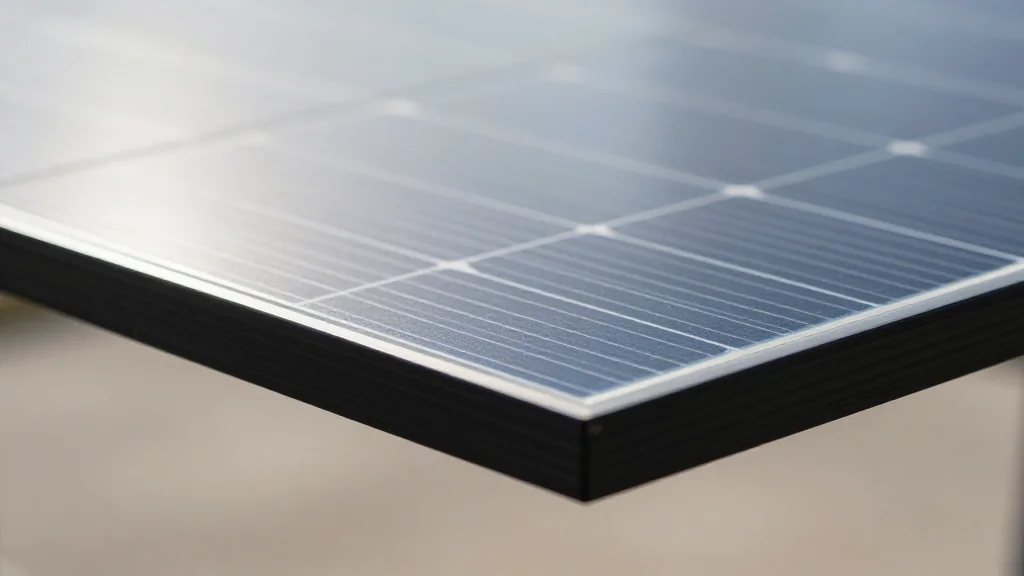
Puerto Rico Suddenly Emerges As A Perovskite Solar Cell Powerhouse
Companies Mentioned

Why It Matters
The partnership reshores critical solar manufacturing, bolsters U.S. energy security, and accelerates commercial deployment of high‑efficiency perovskite tandem technology.
Key Takeaways
- •Solx and Caelux sign 5‑year, 3 GW perovskite‑silicon partnership.
- •Aurora modules target 28% conversion efficiency using tandem design.
- •Production in Puerto Rico avoids tariffs and leverages Made‑in‑USA incentives.
- •Suniva supplies U.S.‑made silicon cells, expanding domestic solar supply chain.
- •First commercial batch slated for U.S. developer, scaling up by 2025.
Pulse Analysis
The Solx‑Caelux alliance marks a watershed moment for perovskite solar technology, moving it from laboratory breakthroughs to mass‑production. By pairing a thin‑film perovskite layer with conventional silicon cells, the tandem architecture sidesteps the durability challenges that have hampered standalone perovskites while delivering a notable efficiency jump to 28%. This performance gain narrows the gap with premium silicon modules and positions the Aurora™ line as a compelling option for utility‑scale projects seeking lower LCOE and faster deployment.
Puerto Rico’s selection as the manufacturing hub is strategic beyond geography. As a U.S. territory, the island enjoys tariff exemptions and qualifies for Made‑in‑America tax credits, reducing capital costs for domestic manufacturers. The island’s recent push for energy resilience after repeated natural disasters creates a ready market for locally produced, high‑efficiency panels. Moreover, the partnership aligns with federal reshoring initiatives, reinforcing a sovereign supply chain that lessens reliance on imported silicon and glass components.
For the broader solar industry, the collaboration signals confidence in tandem perovskite economics and could catalyze further investment in roll‑to‑roll production lines. Suniva’s involvement restores a once‑bankrupt U.S. silicon player to the supply chain, adding capacity with its 1‑GW Georgia plant and a planned 4.4‑GW facility in South Carolina. Together, these moves enhance domestic job creation, improve grid reliability in vulnerable regions, and accelerate the United States’ transition toward a clean‑energy future. Investors and policymakers should watch the Aurora rollout as an early indicator of tandem technology’s commercial viability.
Puerto Rico Suddenly Emerges As A Perovskite Solar Cell Powerhouse
Comments
Want to join the conversation?
Loading comments...