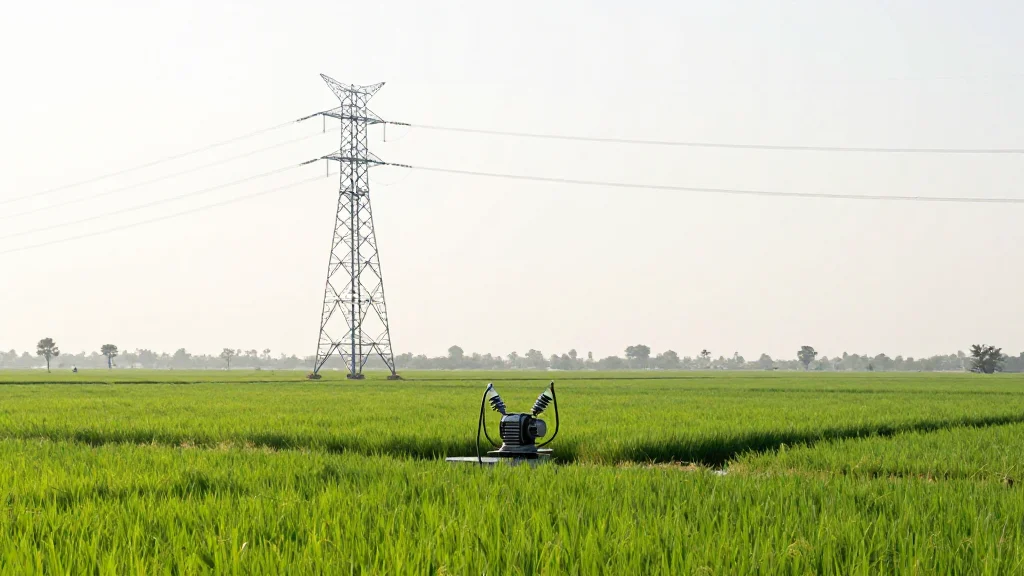
Punjab Power Demand Surges as Paddy Transplantation Season Begins
Why It Matters
The spike strains Punjab’s grid, forcing heavy reliance on external power and highlighting the need for capacity upgrades or demand‑side management during peak irrigation periods. It also signals broader challenges for India’s agrarian power demand as climate‑driven planting cycles intensify.
Key Takeaways
- •Peak demand reached 11,400 MW, up from 8,904 MW two days earlier
- •PSPCL relied on over 7,300 MW of central-sector power to meet load
- •Expected demand could hit 14,000‑15,000 MW next week, possibly 18,000 MW later
- •Staggered transplantation schedule splits state into three phases to smooth load
- •Internal generation capacity of 6,500 MW covers less than half of peak demand
Pulse Analysis
The paddy transplantation window in Punjab traditionally triggers a sharp rise in electricity consumption, as more than 1.39 million tubewells pump water across 30 lakh hectares. This seasonal surge coincides with the hottest part of the year, pushing peak demand beyond 11 GW and testing the resilience of a grid that was designed for lower baseload loads. Farmers’ need for timely transplantation to secure yields makes the demand curve steep and relatively inflexible, creating a predictable but formidable challenge for utilities.
Punjab State Power Corporation Limited (PSPCL) has responded by leaning heavily on central‑sector allocations and power‑banking agreements, drawing over 7.3 GW to supplement its own 6.5 GW generation mix of thermal, hydro and independent power producer (IPP) inputs. Coal inventories at key plants such as GHTP and Lehra Mohabbat provide a buffer of 25‑34 days, yet the reliance on external supply underscores a structural gap between generation capacity and agricultural load. The utility’s strategy of rotating units, like the upcoming restart of the Ropar plant, reflects short‑term operational fixes rather than a long‑term solution.
To mitigate grid stress, the Punjab government introduced a phased transplantation schedule, dividing the state into three zones over a ten‑day window. This demand‑side management approach aims to flatten the load curve, buying time for additional power imports and potential renewable integration. As forecasts point to a possible 18 GW peak later in June, stakeholders—from policymakers to investors—must consider expanding baseload capacity, enhancing storage, and accelerating solar‑plus‑storage projects to sustain agricultural productivity without overtaxing the grid.
Punjab power demand surges as paddy transplantation season begins
Comments
Want to join the conversation?
Loading comments...