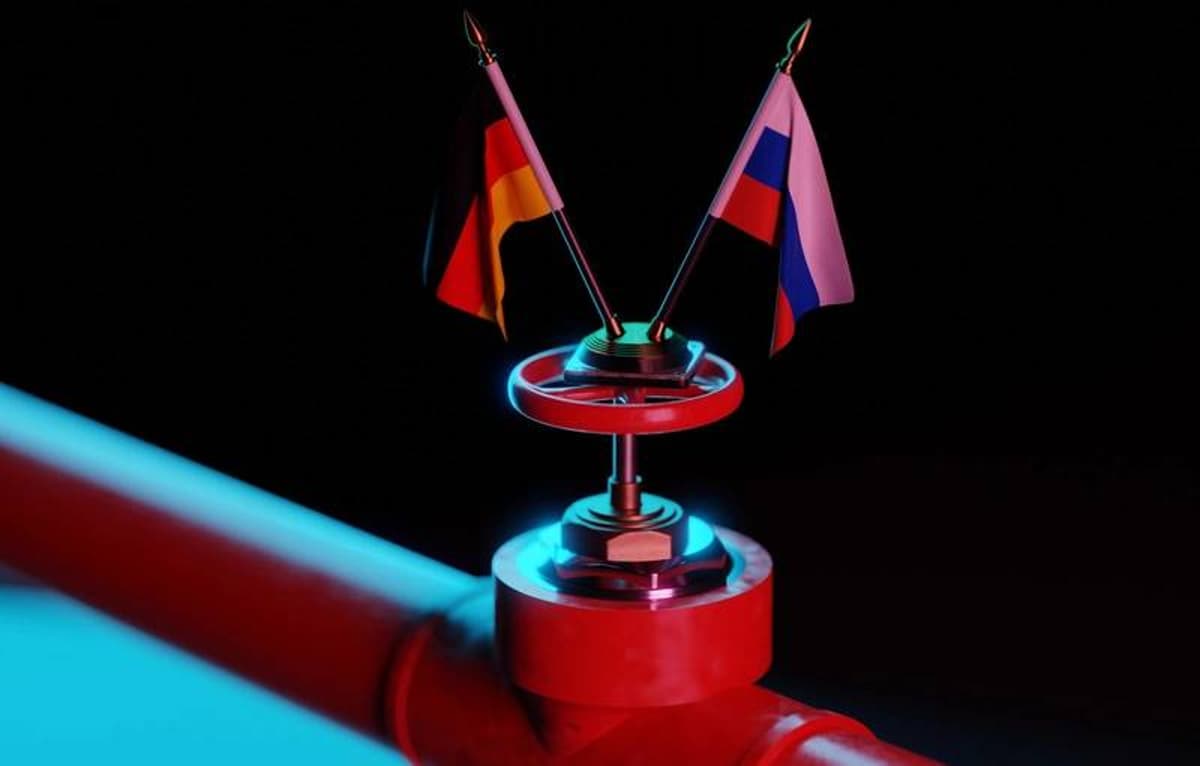
Putin Says Nord Stream Gas Could Flow to Germany ‘Tomorrow’
Why It Matters
Restoring Nord Stream could alleviate Europe’s lingering energy crunch, but it also re‑ignites geopolitical tensions over sanctions and Russian leverage in the continent’s gas market.
Key Takeaways
- •Putin offers to restart Nord Stream gas flow within 24 hours
- •Germany must lift U.S. sanctions for pipeline to operate
- •Russia can supply up to 28 bcm annually if agreement reached
- •Restart could ease Europe's energy shortage but raises geopolitical risks
Pulse Analysis
The Nord Stream system, once a cornerstone of Europe’s gas supply, was crippled by undersea explosions in September 2022, prompting a scramble for alternative energy sources. Since then, the pipelines have been caught in a web of sanctions, legal disputes, and political backlash, especially from the United States, which imposed secondary sanctions on entities facilitating Russian gas transit. Putin’s recent claim that a functional line can be re‑activated “tomorrow” underscores Russia’s readiness to leverage its remaining infrastructure to regain market share, provided Berlin removes the sanction barrier.
Germany’s energy policy sits at a crossroads. While the country has diversified its imports—boosting LNG capacity and sourcing from Norway and North Africa—the loss of Nord Stream’s 28 bcm annual flow still represents a significant shortfall. Lifting U.S. sanctions would not only require diplomatic negotiations with Washington but also a domestic political consensus, as opposition parties and civil society remain wary of deepening ties with Moscow. The AfD’s vocal support for reopening the pipeline reflects a broader debate about energy security versus geopolitical alignment, a dilemma that could shape German elections and EU energy strategy.
If the gas resumes, Russia could use the flow as a bargaining chip, offering Europe a cheaper, reliable supply while extracting concessions on sanctions or broader diplomatic issues. Conversely, a refusal by Germany would push Russian exporters to seek other buyers, potentially reshaping global gas markets and reinforcing the Kremlin’s pivot toward Asia and the Middle East. Stakeholders—from utilities to investors—must monitor the evolving diplomatic signals, as the outcome will influence pricing, supply contracts, and the strategic calculus of energy‑dependent economies across the continent.
Putin Says Nord Stream Gas Could Flow to Germany ‘Tomorrow’
Comments
Want to join the conversation?
Loading comments...