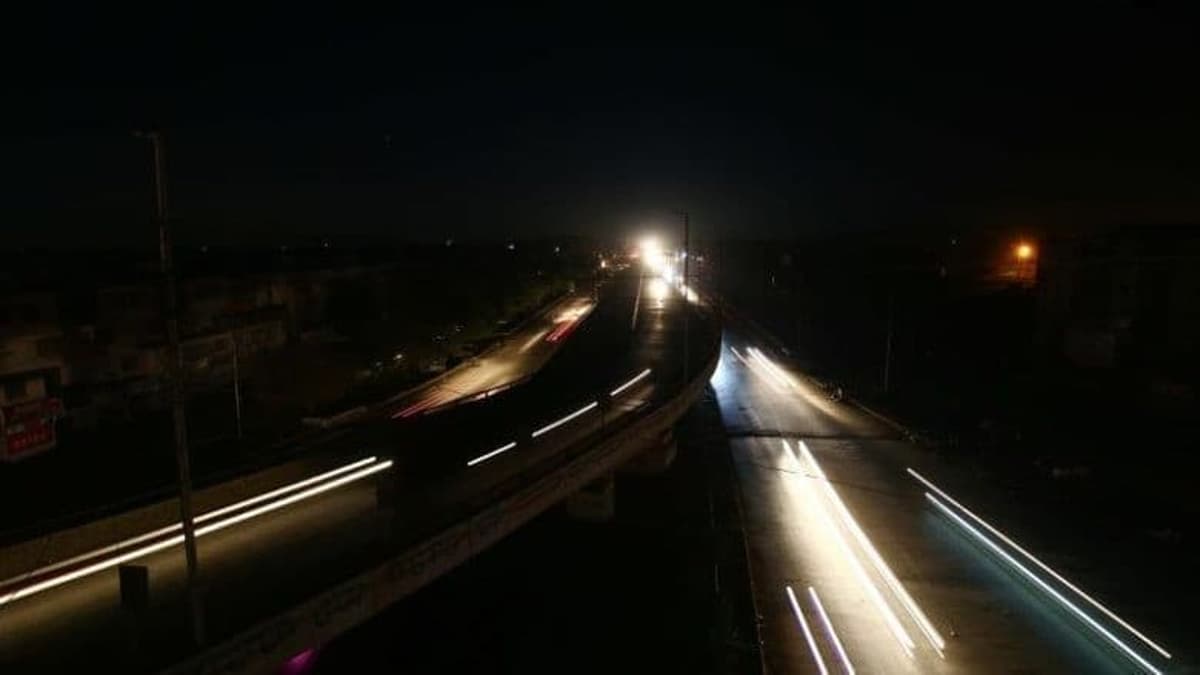
Qatar LNG Disruption Triggers Power Crisis in Pakistan
Why It Matters
The crisis threatens Pakistan’s industrial output, foreign‑exchange balance, and broader regional stability, underscoring the strategic risk of over‑reliance on imported LNG.
Key Takeaways
- •Qatar LNG suspension cut Pakistan’s LNG imports by 67%.
- •Load‑shedding hit 2‑3 hours daily, 4,500 MW shortfall.
- •Factories face up to eight‑hour blackouts, harming productivity.
- •Government must choose between expensive fuel imports or deeper blackouts.
- •Faster peace resolution needed to restore regional energy flows.
Pulse Analysis
The recent Iranian strikes on Qatar’s LNG facilities have sent shockwaves through South Asia, where Pakistan depends on imported liquefied natural gas for a sizable share of its electricity generation. With QatarEnergy suspending output, Pakistan’s LNG‑fueled power plants saw a 67% drop in generation, forcing the national grid into emergency load‑shedding. The shortfall, estimated at 4,500 MW during peak demand, has translated into rolling blackouts that cripple factories and strain households, amplifying the country’s already fragile economic recovery.
Pakistan’s energy mix, traditionally diversified across hydro, coal, gas, nuclear, and renewables, now reveals structural weaknesses. While hydro output surged 62% year‑on‑year, it remains vulnerable to seasonal droughts and poor water management. Nuclear generation slipped 11.7%, and wind, despite a 34% increase, cannot offset the loss of LNG. The resulting power deficit forces the government to weigh costly fuel imports against soaring electricity tariffs, a dilemma that pressures foreign‑exchange reserves and threatens inflation. Moreover, illegal gas tapping and extended industrial shutdowns erode investor confidence, potentially slowing the country’s long‑term growth trajectory.
The broader implication is clear: energy security in the region is tightly linked to geopolitical stability. Pakistan’s reliance on Qatar’s LNG underscores the strategic risk of supply chain disruptions caused by regional conflicts. Policymakers are now pressed to accelerate diversification—expanding domestic gas fields, fast‑tracking renewable projects, and securing alternative LNG contracts. Simultaneously, a swift diplomatic resolution to the Middle‑East war would restore critical supply routes, stabilizing prices and easing the immediate power crisis. In the meantime, the crisis serves as a cautionary tale for other import‑dependent economies about the cascading effects of geopolitical shocks on energy markets.
Qatar LNG Disruption Triggers Power Crisis in Pakistan
Comments
Want to join the conversation?
Loading comments...