Qatar Quietly Sends LNG Tanker Through Hormuz
Why It Matters
The transit demonstrates the resilience of Qatar’s LNG supply chain, helping to stabilize global markets despite heightened geopolitical risk.
Key Takeaways
- •Al Daayen LNG tanker passed Hormuz heading to China
- •Only nine confirmed LNG transits since Feb strikes began
- •Hormuz normally carries ~20% of world LNG shipments
- •Exporters disable transponders to avoid security threats
- •Transit underscores Qatar's supply reliability amid Middle East tensions
Pulse Analysis
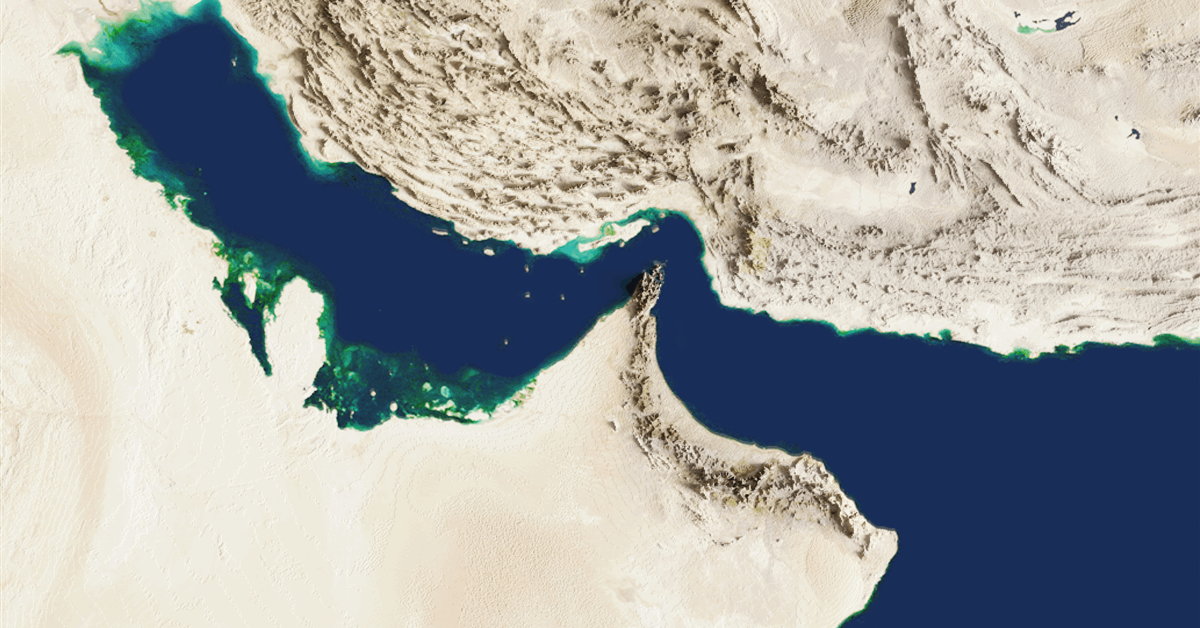
The Strait of Hormuz, a narrow chokepoint linking the Persian Gulf with the Arabian Sea, traditionally moves about one‑fifth of the world’s liquefied natural gas. Since the February 2026 escalation between the United States, Israel and Iran, the waterway has been effectively sealed, with daily transits dropping from roughly three vessels to near zero. The de‑facto blockade has forced shippers to reroute around the Cape of Good Hope, inflating freight costs and tightening global LNG supplies at a time when demand in Asia remains robust.
Against this backdrop, Bloomberg’s ship‑tracking data confirmed that Qatar’s Al Daayen tanker slipped through Hormuz on June 5, bound for China. The vessel, managed by Seapeak and owned by QatarEnergy, had loaded at Ras Laffan in late February and temporarily muted its AIS signal to evade potential targeting—a tactic increasingly adopted by LNG operators under threat of missile attacks. This marks only the ninth verified transit since the conflict began, highlighting Qatar’s willingness to risk exposure to keep its long‑standing China contracts fulfilled.
The successful passage sends a clear signal to energy markets that Qatar can sustain export volumes despite heightened geopolitical risk. Analysts expect the limited but steady flow to temper price spikes that would otherwise arise from a full Hormuz shutdown, while also reassuring downstream buyers of supply continuity. However, the reliance on transponder blackout and the narrow margin for error underscore the fragility of maritime logistics in contested waters, suggesting that any further escalation could quickly reverberate through global LNG pricing and contract negotiations.
Qatar Quietly Sends LNG Tanker Through Hormuz
Comments
Want to join the conversation?
Loading comments...