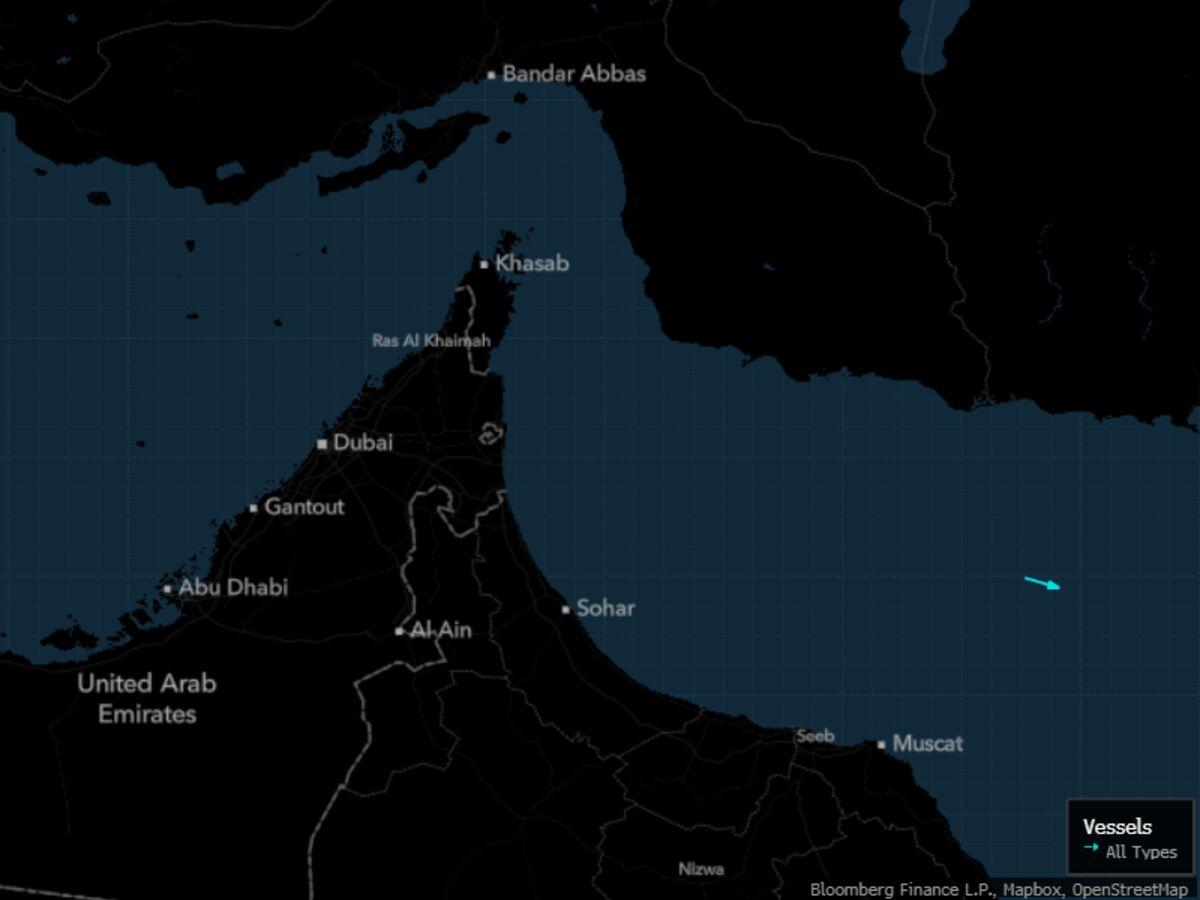
Qatar Sends First LNG Shipment Through Hormuz Since War Started
Why It Matters
The transit reopens a critical chokepoint for global energy flows, helping to alleviate supply concerns in a tight LNG market. It also demonstrates Qatar’s ability to adapt logistics despite regional conflict, reinforcing its position as a leading LNG exporter.
Key Takeaways
- •Qatar's Al Kharaitiyat transited Hormuz, first LNG export since conflict
- •Loaded at Ras Laffan, heading to Pakistan, Gulf of Oman
- •Transit suggests Hormuz may reopen for energy shipments
- •Qatar diversifies LNG routes to mitigate regional geopolitical risk
- •Global LNG market may stabilize as supply routes expand
Pulse Analysis
The Strait of Hormuz has long been a strategic artery for oil and gas, funneling roughly 20% of the world’s petroleum through a narrow waterway between the Persian Gulf and the Arabian Sea. Since the outbreak of the Iran‑Israel war, commercial traffic has been severely curtailed, prompting shippers to seek longer, costlier detours around the Arabian Peninsula. Qatar’s decision to send the Al Kharaitiyat through Hormuz signals a tentative normalization of maritime movements, suggesting that security assessments are shifting enough to permit limited, high‑value cargoes such as liquefied natural gas.
For the global LNG market, the re‑entry of Qatari cargoes via Hormuz carries immediate pricing implications. Analysts have warned that the war‑induced bottleneck could tighten an already constrained supply, pushing spot prices above $12 per million British thermal units. By reopening this shortcut, Qatar can deliver gas to South Asian buyers like Pakistan more efficiently, potentially easing price pressure and reinforcing its reputation as a reliable supplier. The move also highlights Qatar’s broader strategy of route diversification, complementing its investments in overland pipelines and alternative maritime corridors to safeguard against future disruptions.
Geopolitically, the transit underscores a nuanced balance between risk and reward. While the region remains volatile, the successful passage of a high‑profile LNG tanker may encourage other carriers to test the waters, gradually restoring confidence in Hormuz’s security protocols. This could catalyze a ripple effect, prompting neighboring exporters to reconsider dormant routes and investors to reassess regional energy infrastructure projects. In the longer term, a steady flow of LNG through Hormuz could serve as a barometer for broader diplomatic de‑escalation, offering a modest but tangible sign of stability in a historically turbulent maritime corridor.
Qatar Sends First LNG Shipment Through Hormuz Since War Started
Comments
Want to join the conversation?
Loading comments...