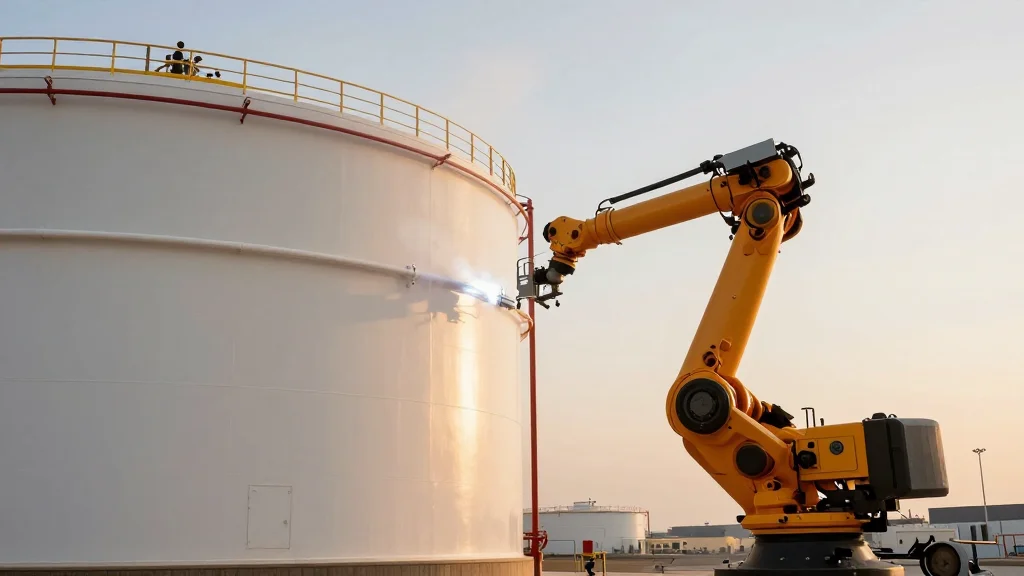
QatarEnergy Begins Process to Repair Two LNG Mega-Trains Hit in Iran Attack
Why It Matters
The outage threatens to shave hundreds of thousands of tonnes from global LNG supply, potentially raising prices and prompting buyers to seek alternative sources. It also underscores the strategic importance of infrastructure resilience in a geopolitically volatile region.
Key Takeaways
- •Two LNG mega‑trains damaged in Iran’s May attack
- •Repair process launched by QatarEnergy to restore capacity
- •Repairs could take months, affecting global LNG supply
- •QatarEnergy aims to minimize export disruptions to Europe
- •Incident highlights regional geopolitical risk to energy infrastructure
Pulse Analysis
QatarEnergy, the state‑owned oil and gas champion of the Gulf, announced on May 6 that it has begun the formal repair process for two of its liquefied natural gas (LNG) mega‑trains that were struck during a coordinated Iranian missile and drone assault earlier this year. The mega‑trains, each capable of processing roughly 8 million tonnes of LNG per year, are critical assets at the Ras Laffan industrial complex, which underpins Qatar’s position as the world’s largest LNG exporter. The attack underscored how geopolitical friction can quickly translate into physical damage to high‑value energy infrastructure.
The outage comes at a time when global LNG demand remains elevated, driven by Europe’s effort to replace Russian gas and Asia’s growing power‑generation needs. Even a temporary reduction in Qatar’s output can tighten the market, lift spot prices, and prompt buyers to seek alternative cargoes from the United States or Australia. Analysts estimate that each megatrain contributes about 5 % of Qatar’s total LNG capacity, so a multi‑month repair window could shave several hundred thousand tonnes from the annual supply curve, tightening contracts and spot markets alike.
QatarEnergy’s decision to move quickly into the repair phase reflects a broader strategy of resilience. The company has already mobilized specialist engineering teams, secured spare modules from its global supply chain, and is coordinating with downstream customers to re‑schedule deliveries. In parallel, the incident is prompting a reassessment of security protocols across the Gulf’s LNG hubs, with investments in hardened facilities and remote monitoring. For investors and industry watchers, the episode serves as a reminder that geopolitical risk remains a material factor in energy planning, and that diversified sourcing will continue to shape the LNG landscape.
QatarEnergy begins process to repair two LNG mega-trains hit in Iran attack
Comments
Want to join the conversation?
Loading comments...