QatarEnergy, TotalEnergies and ConocoPhillips Team Up on Syria Offshore Block
Companies Mentioned
Why It Matters
The deal could unlock new hydrocarbon supplies in the eastern Mediterranean, boosting regional energy security while offering Syria a pathway to revive its oil and gas revenues.
Key Takeaways
- •QatarEnergy, TotalEnergies, ConocoPhillips sign MoU for Syria Block 3
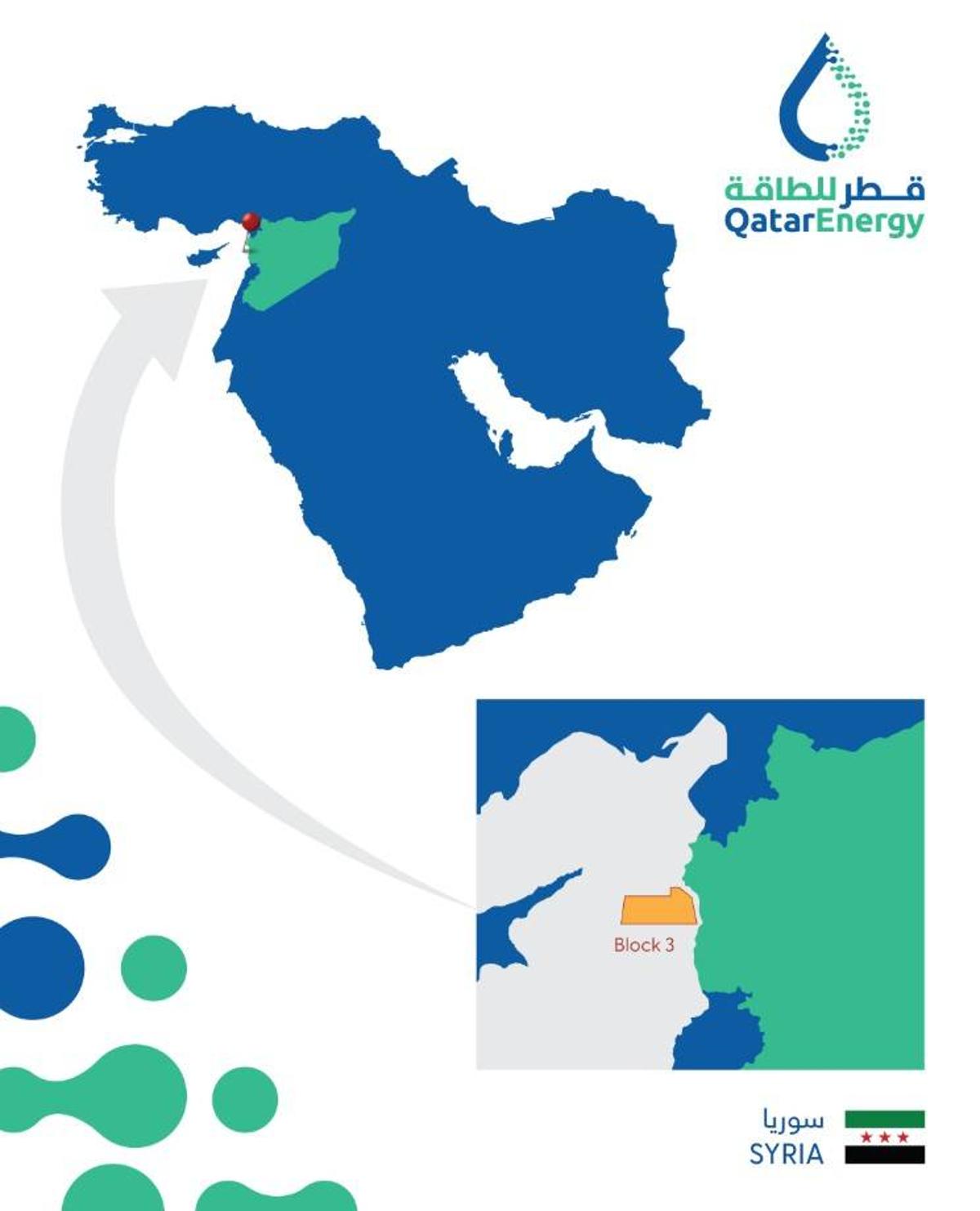
- •Block 3 spans 100‑1,700 m water depths in Levantine Basin
- •MoU initiates technical review and commercial framework for offshore exploration
- •Partnership signals renewed foreign investment in Syrian energy sector
- •Could add significant hydrocarbon output to regional supply mix
Pulse Analysis
QatarEnergy’s latest memorandum of understanding reflects a broader strategy to diversify its upstream assets beyond the Gulf’s mature fields. By teaming with European and U.S. majors TotalEnergies and ConocoPhillips, Qatar signals confidence in the region’s long‑term growth potential, even as geopolitical tensions linger. The inclusion of the Syrian Petroleum Company also suggests a softening of international sanctions and a willingness among investors to explore opportunities in markets previously deemed too risky. This collaborative approach aligns with Doha’s ambition to position itself as a hub for cross‑border energy projects in the Middle East.
Block 3 sits in the Levantine Basin, a geologically prolific area that has yielded sizable discoveries for Israel, Cyprus and Egypt. Water depths ranging from shallow 100 metres to deep 1,700 metres demand advanced drilling technology, but also promise access to both conventional oil and unconventional gas reserves. Preliminary data indicate the block could host several hundred million barrels of oil equivalent, enough to make a meaningful contribution to regional supply. However, technical challenges such as seismic imaging in complex sub‑sea terrain and the need for robust infrastructure will require substantial capital and expertise, which the consortium is well‑placed to provide.
If the technical review confirms commercial viability, the project could reshape the eastern Mediterranean’s energy landscape. New Syrian output would diversify supply routes for European markets seeking alternatives to Russian gas, while providing the Syrian state with much‑needed fiscal revenue. Yet investors must weigh risks, including political volatility, potential regulatory shifts, and the evolving sanctions environment. Successful development would not only bolster QatarEnergy’s growth narrative but also signal a broader reopening of Syria’s oil and gas sector to global capital, with ripple effects across regional geopolitics and energy markets.
QatarEnergy, TotalEnergies and ConocoPhillips Team Up on Syria Offshore Block
Comments
Want to join the conversation?
Loading comments...