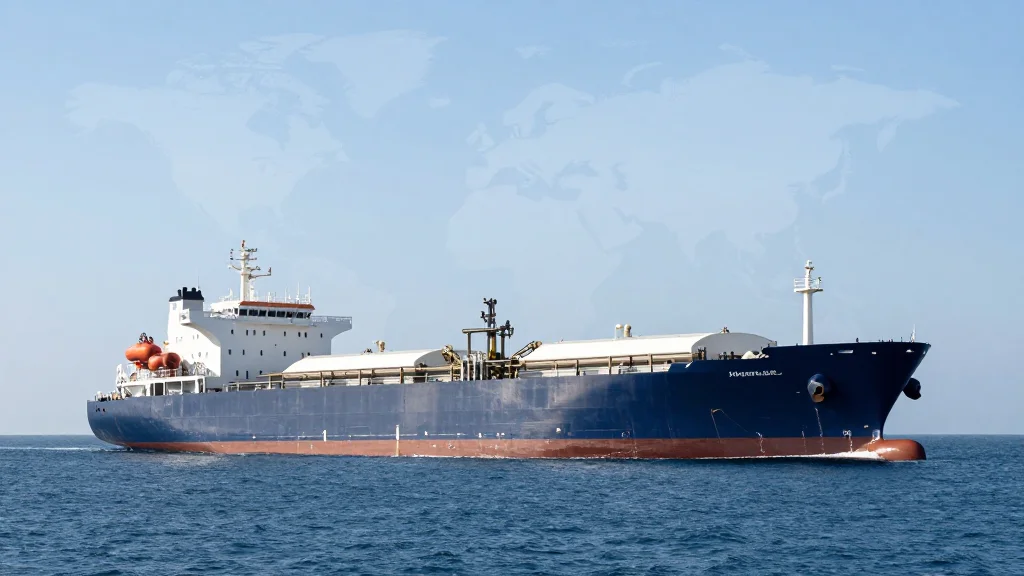
Qatari LNG Tanker Sailing Towards Hormuz Strait, Shipping Data Shows
Companies Mentioned
Why It Matters
The transit could reopen a vital export corridor for Qatar, the world’s second‑largest LNG supplier, while easing Pakistan’s energy deficit and signaling a diplomatic thaw between Iran and Qatar. It also highlights how regional conflicts can disrupt global LNG supply chains.
Key Takeaways
- •Al Kharaitiyat aims first Qatari LNG transit through Hormuz since war
- •Iran approved passage to boost confidence with Qatar and gas‑starved Pakistan
- •Pakistan seeks limited LNG flows via Hormuz to alleviate critical gas shortage
- •Iran previously halted two Qatari LNG tankers, highlighting regional shipping risks
Pulse Analysis
The Strait of Hormuz has long been a chokepoint for global energy flows, and its closure or restriction can reverberate through LNG markets. Qatar, the world’s second‑largest LNG exporter, saw 17% of its export capacity knocked offline by Iranian attacks, prompting a scramble for alternative routes. By attempting a transit through Hormuz, Al Kharaitiyat tests whether diplomatic channels can mitigate the logistical bottlenecks that have plagued the sector since the conflict escalated.
Iran’s decision to allow the vessel’s passage is tied to a government‑to‑government deal with Pakistan, a key buyer facing an acute gas shortage that threatens industrial output and power reliability. The agreement, reportedly approved by Iran’s Revolutionary Guard, aims to restore confidence among regional partners and could set a precedent for limited, coordinated LNG shipments through the strait. For Pakistan, even a modest flow of roughly 212,000 cubic metres of LNG can provide a strategic buffer while the country diversifies its energy mix.
Beyond the immediate transaction, the episode underscores the fragility of global LNG supply chains to geopolitical shocks. If Iran continues to permit controlled transits, it may ease price volatility and reassure investors in the LNG market. Conversely, any reversal could reignite concerns about supply security, prompting buyers to seek longer‑term contracts or alternative sources. Stakeholders will be watching closely to see whether this tentative cooperation evolves into a more stable shipping corridor, potentially reshaping energy diplomacy in the Gulf region.
Qatari LNG tanker sailing towards Hormuz Strait, shipping data shows
Comments
Want to join the conversation?
Loading comments...