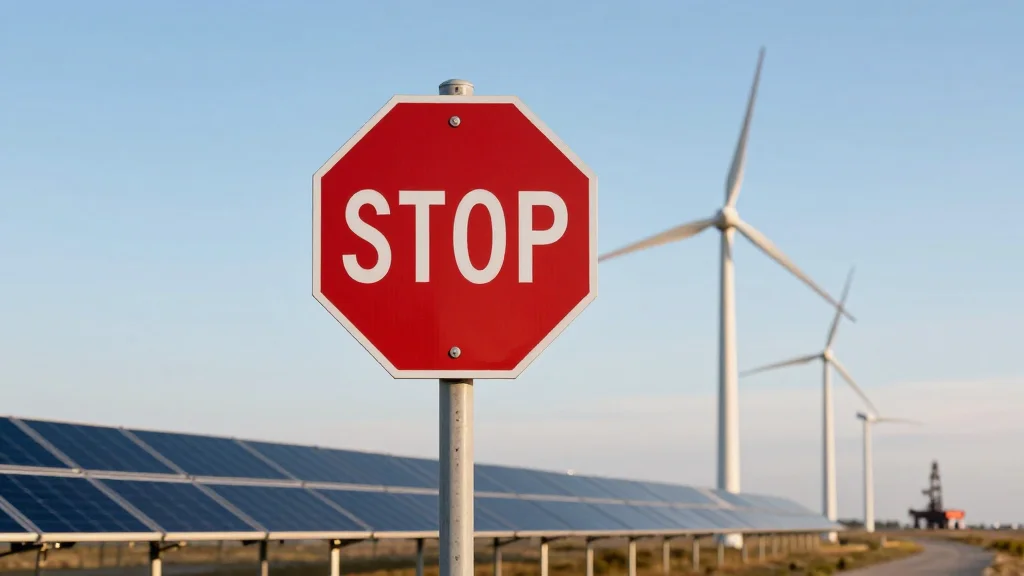
Queensland LNP Want Oil and Gas Project Fast-Tracked, Even as It Erects Stop Sign for Wind and Solar
Why It Matters
Fast‑tracking a new oil field while stalling renewables could reshape Queensland’s energy mix, affecting jobs, investment flows and the state’s environmental reputation. The clash also highlights tensions between state ambitions and federal environmental safeguards.
Key Takeaways
- •Queensland seeks fast‑track approval for Taroom Trough oil field
- •State launches Productivity Commission inquiry into EPBC reforms
- •Government revokes or call‑ins renewable projects, citing bureaucracy
- •Energy roadmap allocates ~US$1.05 billion to keep coal plants operating
Pulse Analysis
The Queensland LNP’s push to accelerate the Taroom Trough oil field underscores a broader political shift toward fossil‑fuel development in a state traditionally reliant on coal and emerging renewables. By commissioning a Productivity Commission inquiry into the federal EPBC reforms, the state aims to create a data‑driven argument for bypassing the 30‑day national interest fast‑track assessment that currently excludes oil and gas projects. This strategy reflects a desire to secure energy sovereignty and protect jobs in resource‑heavy regions, but it also pits state ambitions against federal environmental safeguards designed to preserve nationally significant ecosystems.
At the same time, the government’s aggressive stance on renewable energy—revoking approvals and issuing call‑in notices for wind, solar and battery projects—signals a deliberate policy reversal. Six renewable projects are already entangled in new bureaucratic hurdles, with the Moonlight Range wind farm losing its planning approval outright. The state’s energy roadmap dedicates roughly US$1.05 billion (AU$1.6 billion) to keep coal‑fired power stations operational, effectively diverting capital away from clean‑energy initiatives and raising concerns among investors about policy stability.
Industry observers warn that the mixed signal could erode confidence among both domestic and international investors. While the Taroom Trough promises short‑term job creation and potential export revenue, the broader economic impact of sidelining renewables may be negative, given the growing global demand for green energy assets. Moreover, the move risks damaging Queensland’s reputation as a tourism and agriculture hub that depends on a healthy environment. The outcome of the Productivity Commission inquiry will likely set a precedent for how Australian states balance resource development with climate commitments, influencing future federal‑state negotiations on energy policy.
Queensland LNP want oil and gas project fast-tracked, even as it erects stop sign for wind and solar
Comments
Want to join the conversation?
Loading comments...