Record Power Burn Expected This Summer as Coal Retirements and Data Centers Drive Gas Demand
Companies Mentioned

Why It Matters
Higher gas consumption for power and data centers tightens storage margins, raising price risk and highlighting infrastructure bottlenecks that could affect reliability and investment decisions.
Key Takeaways
- •U.S. gas supply hits record 117 Bcf/d, demand rises to 108.7 Bcf/d.
- •Power burn reaches 40.3 Bcf/d, driven by data centers and coal retirements.
- •LNG exports grow 4.3 Bcf/d, pushing total demand higher.
- •Summer storage projected 10% YoY decline, ending 106 Bcf below five‑year average.
- •Pipeline and storage constraints risk regional supply bottlenecks.
Pulse Analysis
The summer outlook underscores a paradox in the U.S. gas market: record‑high production is being absorbed by a diversified demand surge. Power‑burn, now the dominant gas consumer, reflects a structural shift as coal plants retire and data‑center operators add gigawatts of load that require firm, dispatchable electricity. This transition lifts gas‑fired generation to an estimated 38,000 MW of additional capacity, pressuring the supply‑demand balance even as spot prices remain modest. Analysts see the tighter storage build‑up as a leading indicator of upward price pressure later in the season.
LNG export growth remains a key catalyst, with shipments projected to increase by 4.3 Bcf/d, pushing total demand toward 109 Bcf/d. Geopolitical dynamics—Europe’s push to replace Russian gas and shifting Asian tariffs—keep netback prices attractive, sustaining new liquefaction projects such as Plaquemines and Golden Pass. Industrial expansions add nearly 2 Bcf/d of demand, reinforcing the upward trajectory. Together, these factors create a demand‑heavy environment that could outpace the modest 2 Bcf/d increase in storage injections, tightening regional inventories and amplifying price volatility.
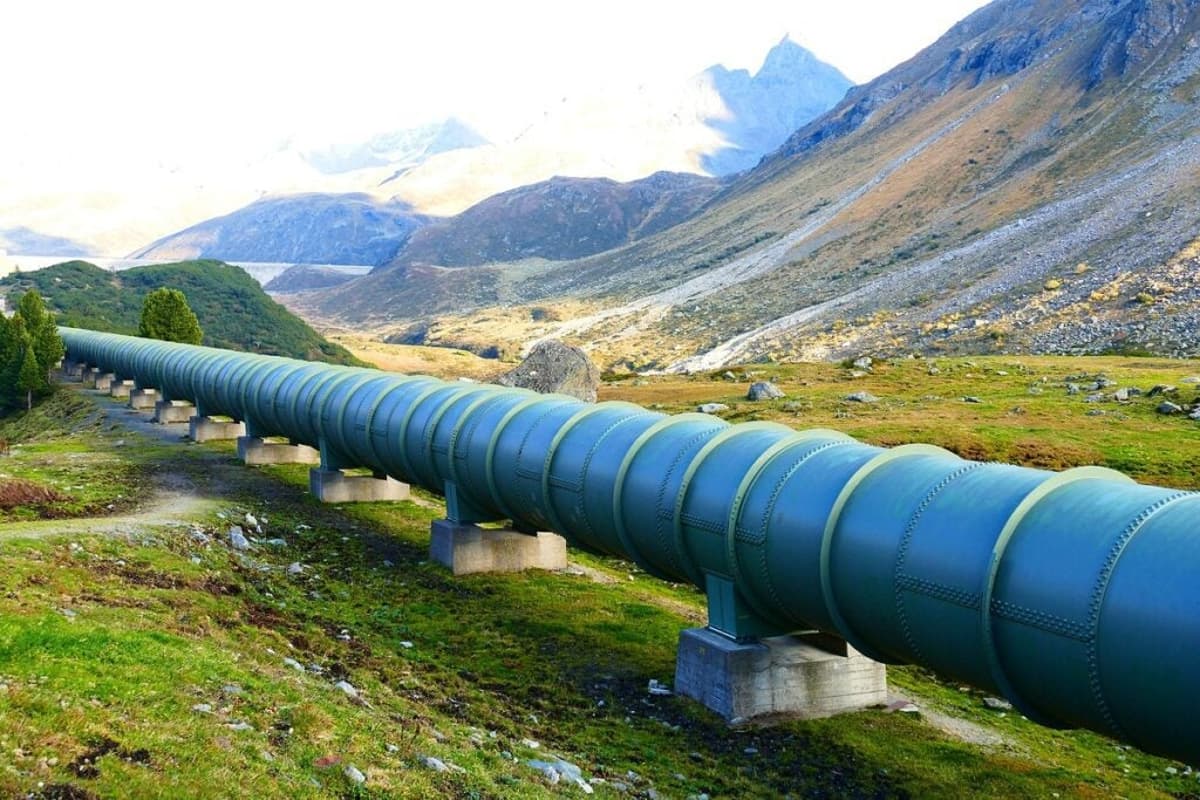
Infrastructure constraints are emerging as the market’s Achilles’ heel. While aggregate supply is abundant, pipeline capacity has lagged, growing only 26% since 2013 versus a 49% demand rise, and storage capacity has barely moved. Bottlenecks in the Permian‑to‑market corridors and limited underground storage in New England heighten the risk of regional shortages. Legislative efforts, such as the SPEED Act and proposals to streamline FERC’s authority, aim to accelerate permitting and reduce legal delays. Investors and utilities will be watching how quickly these reforms translate into new pipelines and storage projects, as they will determine whether the U.S. can sustain its growing gas‑fired generation and export ambitions without triggering supply shocks.
Record Power Burn Expected This Summer as Coal Retirements and Data Centers Drive Gas Demand
Comments
Want to join the conversation?
Loading comments...