Why It Matters
Redefining energy security reshapes investment, regulatory, and operational decisions across the energy sector, influencing both national defense and market stability. Companies that adapt early will gain a competitive edge in a volatile geopolitical landscape.
Key Takeaways
- •Post‑COVID firms adopt “just‑in‑case” supply strategies.
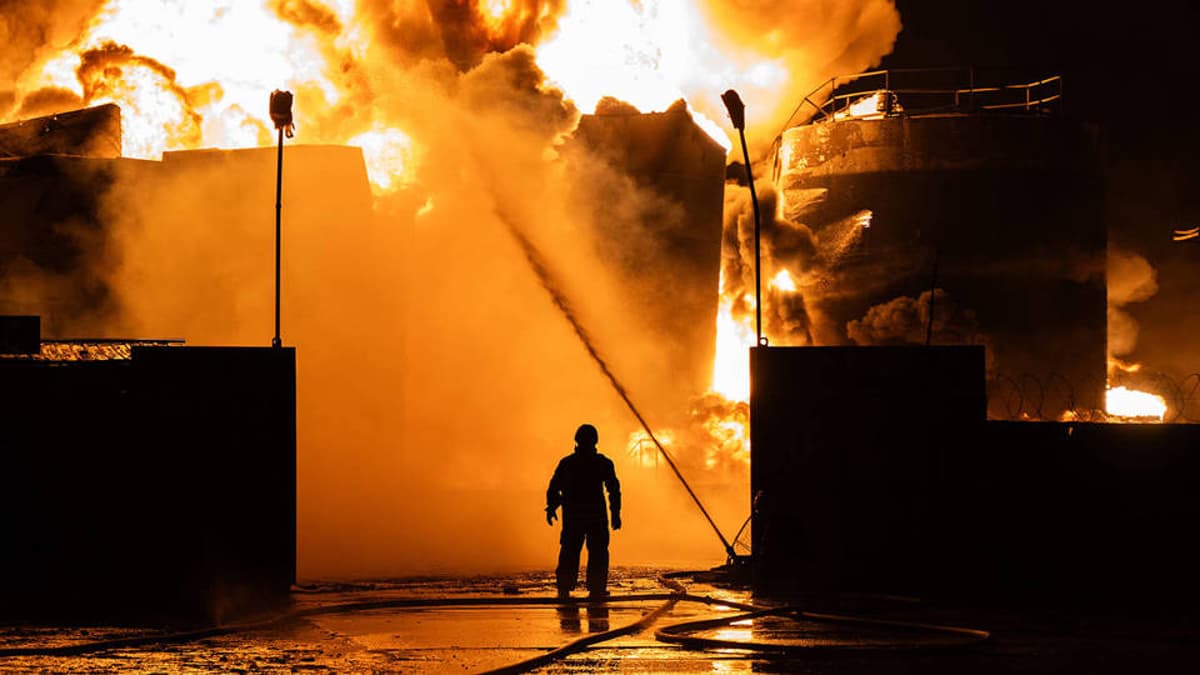
- •Oil and gas assets now classified as high‑value military targets.
- •Energy policymakers urged to embed resilience into grid design.
- •Geopolitical tensions with Iran accelerate diversification of energy sources.
- •Shift emphasizes domestic storage and renewable integration.
Pulse Analysis
The pandemic exposed the fragility of just‑in‑time logistics, prompting firms to stockpile critical inputs and build redundancy into supply chains. In energy, this translates to a heightened focus on strategic reserves, flexible generation assets, and robust transmission pathways that can absorb shocks without cascading failures. By treating resilience as a core metric rather than an afterthought, companies can safeguard operations against future pandemics, climate events, or supply disruptions.
The escalating conflict with Iran underscores a new reality: oil and gas facilities are now high‑value military objectives. Satellite imagery and intelligence reports show that adversaries can target pipelines, refineries, and offshore platforms to cripple economies and exert political pressure. This risk calculus forces operators to harden physical assets, diversify routing, and accelerate the shift toward less vulnerable energy carriers such as electricity from renewables. The strategic imperative is clear—energy infrastructure must be as defensible as it is efficient.
Policymakers are responding by urging a redesign of the grid that embeds storage, micro‑grids, and renewable integration at scale. Domestic battery manufacturing, hydrogen production, and advanced grid‑balancing technologies are gaining bipartisan support as tools to reduce reliance on imported fuels and mitigate geopolitical risk. For investors, the message is twofold: fund projects that enhance system resilience and watch for regulatory incentives that reward low‑carbon, high‑security energy solutions. The convergence of security, sustainability, and economics will define the next era of energy strategy.
Redefining Energy Security
Comments
Want to join the conversation?
Loading comments...