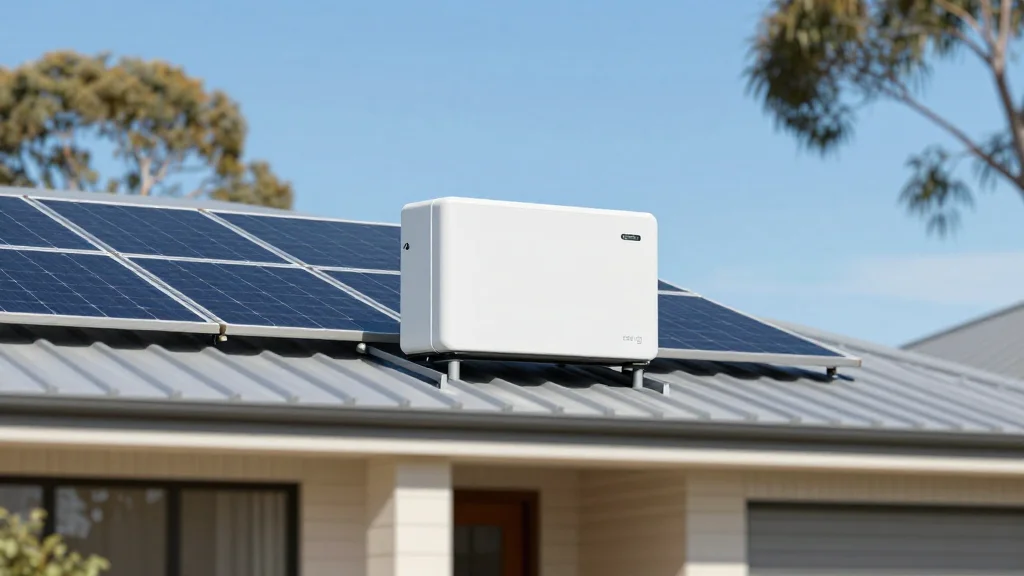
“Remarkable Milestone:” Bowen Says Home Battery Installations Continue to Surge, Pass 400,000
Why It Matters
Widespread residential storage is reshaping Australia’s power market, delivering cheaper bills for consumers and accelerating progress toward the nation’s 82% renewable‑energy goal by 2030.
Key Takeaways
- •400,000 Australian homes installed battery systems in 10 months
- •Daily installation rate averages 2,000 units despite rebate changes
- •Home batteries added 11.2 GWh storage, matching utility‑scale additions
- •Storage shift reduces nighttime gas/coal use, lowering wholesale prices
- •Helps Australia aim for 82% renewable electricity by 2030
Pulse Analysis
The Australian government’s home‑battery rebate, launched in mid‑2025, has quickly become a catalyst for distributed energy adoption. By subsidising residential storage, the program lowered the upfront cost barrier, prompting an average of 2,000 installations per day. This pace outstrips many mature markets and now rivals the nation’s utility‑scale battery deployments, which added roughly 11 GWh over the past year. The rapid rollout reflects both consumer appetite for energy independence and the policy’s alignment with broader decarbonisation objectives.
From a market perspective, the influx of 11.2 GWh of household storage is already influencing wholesale pricing dynamics. By absorbing excess solar generation during daylight and discharging at night, home batteries reduce reliance on gas‑fired peaker plants, which traditionally drive up night‑time prices. The Australian Energy Regulator and AEMO have reported modest price declines, suggesting that distributed storage can complement large‑scale assets in flattening price volatility. Moreover, the aggregated flexibility of thousands of small‑scale units provides ancillary services—frequency regulation and demand response—that enhance grid resilience without the need for costly infrastructure upgrades.
Strategically, the battery boom bolsters Australia’s ambition to achieve an 82% renewable‑energy mix by 2030. Combined with a resurgence in rooftop solar, residential storage eases pressure on new wind projects by smoothing intermittency at the consumer level. While the recent rebate tweak nudges buyers toward smaller, more affordable units, the overall trajectory remains upward, hinting at a future where a significant share of grid balancing is performed by prosumers. Continued policy support and continued cost reductions in lithium‑ion technology will be pivotal in sustaining this momentum and cementing Australia’s role as a leader in distributed clean energy.
“Remarkable milestone:” Bowen says home battery installations continue to surge, pass 400,000
Comments
Want to join the conversation?
Loading comments...