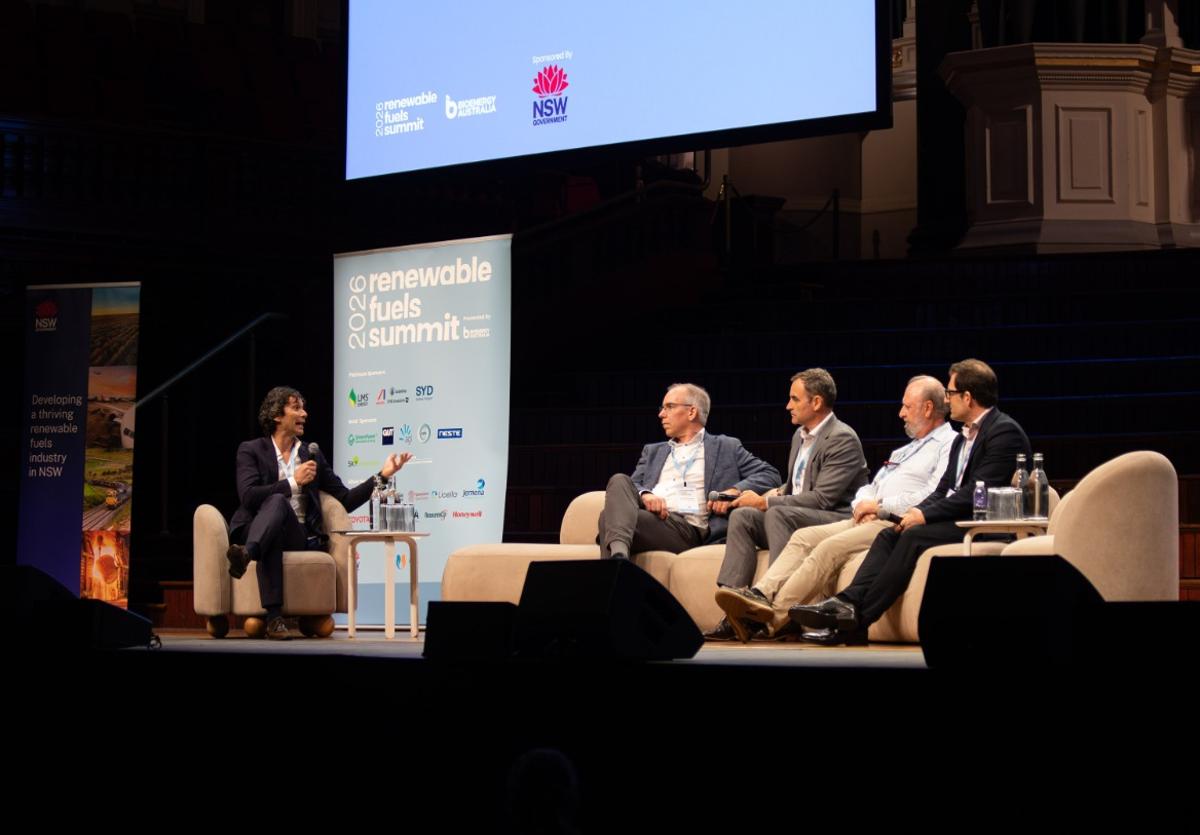
Renewable Fuels Summit Kicks Off with $80M Funding Boost
•March 10, 2026
0
Why It Matters
The funding and pilot project accelerate Australia’s shift from fossil fuels to domestically produced renewable gases, unlocking jobs, farmer revenue, and emissions reductions in hard‑to‑electrify sectors.
Key Takeaways
- •$80M funding targets heavy transport, manufacturing decarbonisation.
- •LMS Energy to build first agricultural renewable gas plant.
- •Facility will supply renewable gas for ~2,000 homes.
- •Sector could generate $10B annually and 26,000 jobs.
- •Domestic feedstock reduces import reliance and emissions.
Pulse Analysis
Australia’s renewable fuels landscape is reaching a critical mass, driven by abundant agricultural residues, livestock waste, and a policy environment keen on energy independence. Recent analyses suggest the country can sustain a $10 billion‑a‑year market, leveraging feedstock that would otherwise be a disposal liability. This resource base not only promises a new export commodity but also aligns with national emissions targets by displacing imported gasoline and diesel. As governments tighten carbon pricing and set stricter fuel standards, the economic case for converting waste into renewable natural gas and sustainable aviation fuel has become increasingly compelling.
The $80 million grant announced at the Renewable Fuels Summit earmarks support for projects that replace fossil fuels in heavy‑duty transport, manufacturing, and gas supply. One flagship initiative is LMS Energy’s agricultural renewable gas plant at the SunPork piggery in South Australia, which will capture methane from effluent and inject it into the existing gas grid. Expected to power roughly 2,000 homes, the facility demonstrates a scalable model where farmers earn additional revenue while contributing to grid decarbonisation. Early‑stage financing and clear regulatory pathways are expected to accelerate similar deployments across the country’s vast farming regions.
Beyond immediate emissions cuts, the convergence of public funding and private project pipelines positions Australia to compete in the burgeoning global renewable fuels market. Investors are eyeing the sector’s potential to deliver stable, long‑term cash flows tied to measurable carbon credits and renewable fuel standards. Successful commercialization could also spur ancillary industries, from feedstock logistics to certification services, creating a virtuous cycle of job growth and technological innovation. As the summit continues, the focus will shift from announcements to measurable milestones, determining whether Australia can translate its feedstock advantage into a world‑leading renewable fuels export hub.
Renewable Fuels Summit kicks off with $80M funding boost
0
Comments
Want to join the conversation?
Loading comments...