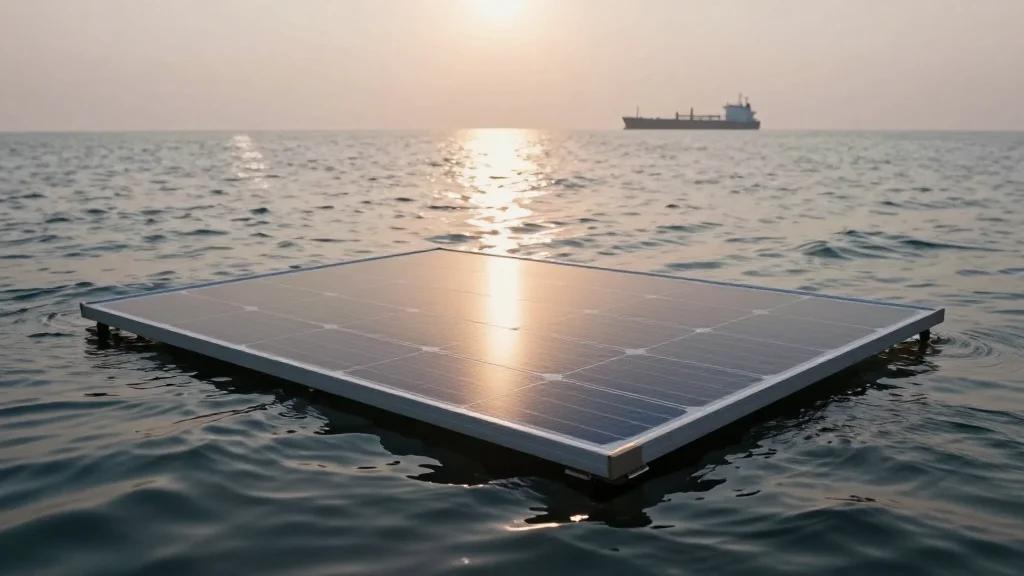
Renewables Are Shining. The Iran War Amplifies Their Appeal
Why It Matters
The war‑induced supply risk accelerates renewable adoption, reshaping investment flows and reducing reliance on volatile fossil‑fuel imports for vulnerable economies.
Key Takeaways
- •Iran war heightens geopolitical risk to oil and LNG supplies
- •Strait of Hormuz closure could cut 20% of global oil flow
- •Solar projects gain policy support in India, Europe, Middle East
- •Coal’s short‑term gain may be offset by long‑term renewables push
- •New reports offer actionable roadmaps for energy‑scarce governments
Pulse Analysis
The latest geopolitical turbulence in the Persian Gulf is prompting a strategic rethink among energy‑dependent nations. Analysts note that the Strait of Hormuz—through which roughly 20% of the world’s oil transits—faces heightened threat of closure, a scenario that would spike oil prices and strain LNG imports. In response, policymakers are fast‑tracking renewable initiatives, particularly solar, to insulate their economies from supply shocks. This shift is evident in India’s accelerated solar capacity targets and Europe’s renewed subsidies for distributed generation.
Beyond immediate supply concerns, the conflict underscores a broader market realignment. While coal enjoys a temporary resurgence due to its domestic availability in countries like India, its long‑term viability is challenged by mounting carbon regulations and the falling cost curve of photovoltaics. The two reports referenced in the article provide granular data on cost‑benefit analyses, financing mechanisms, and regulatory frameworks that can help governments transition swiftly. They argue that investing in solar now not only mitigates geopolitical risk but also delivers economic dividends through job creation and reduced import bills.
For investors and corporate strategists, the message is clear: renewable energy is moving from a sustainability add‑on to a core component of energy security. The convergence of geopolitical risk, declining solar technology costs, and supportive policy environments creates a fertile ground for capital deployment. Companies that align their portfolios with this emerging paradigm stand to capture growth while contributing to a more resilient, low‑carbon global energy system.
Renewables are shining. The Iran war amplifies their appeal
Comments
Want to join the conversation?
Loading comments...