Renewables Hit 80 Pct Share in Australia’s Most Coal Dependent Grid for First Time
Why It Matters
The milestone proves that large‑scale renewables and distributed solar can dominate even the most coal‑reliant grids, reshaping Australia’s energy mix and pressuring policymakers to reconsider coal‑centric strategies. It also signals growing market confidence in storage solutions that balance intermittent generation.
Key Takeaways
- •Queensland reached 80% renewable generation at 11:20 am Monday
- •Rooftop solar contributed over 4 GW, large‑scale solar 3 GW
- •Wind added just under 500 MW; hydro minor
- •New wind projects like MacIntyre drive growth despite anti‑renewable policies
- •Battery discharge topped 1 GW, indicating rising storage utilization
Pulse Analysis
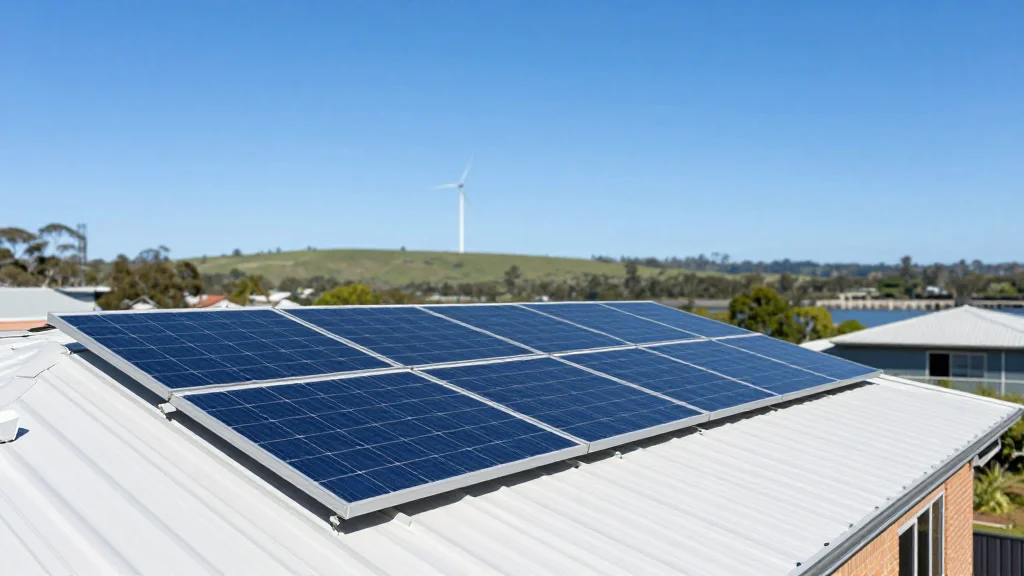
Queensland’s 80 percent renewable penetration marks a watershed for a state that has historically leaned on coal for more than half of its electricity demand. The achievement underscores how aggressive solar deployment—both rooftop and utility‑scale—can rapidly shift the generation curve, creating a pronounced "duck‑curve" that challenges traditional dispatch models. By reaching this level during a midday peak, the grid demonstrated that solar output can now meet a substantial share of demand without compromising reliability.
The surge is not solely a product of rooftop panels; new wind farms such as MacIntyre, Clarke Creek and Wambo are adding capacity that offsets the state’s coal legacy. Simultaneously, battery storage is moving from niche to mainstream, with discharge rates topping 1 GW and charging exceeding the same threshold, smoothing supply fluctuations and enabling higher renewable penetration. These trends are occurring despite a state Liberal‑National government that has dismantled renewable targets and pledged continued coal operation for the next two decades.
For investors and industry stakeholders, Queensland’s breakthrough offers a clear signal: the economics of solar, wind and storage are becoming compelling even in coal‑heavy markets. The momentum is likely to attract further private capital, especially as corporate demand for green power from heavy‑industry hubs like Gladstone grows. However, policy uncertainty remains a risk; the state’s practice of “calling in” approved projects could dampen future development. Balancing coal‑phase‑out timelines with supportive regulatory frameworks will be critical to sustaining the renewable trajectory and meeting Australia’s broader climate commitments.
Renewables hit 80 pct share in Australia’s most coal dependent grid for first time
Comments
Want to join the conversation?
Loading comments...