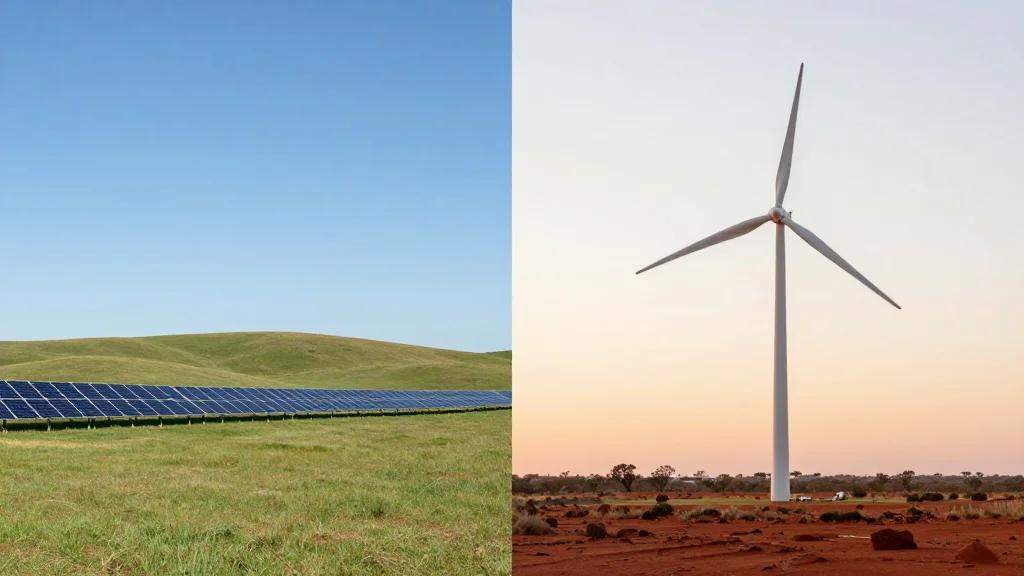
Renewables Mean Energy Security: Turkey, Australia
Why It Matters
Linking renewables to energy security reframes climate policy as a geopolitical imperative, accelerating investment and regulatory focus on clean power. The joint push by Turkey and Australia could shape COP31 outcomes, influencing global decarbonisation pathways and financing mechanisms.
Key Takeaways
- •Turkey and Australia link renewables to energy security at COP31
- •Fossil fuel volatility highlighted by Middle East shipping disruptions
- •COP28 saw 200 nations commit to phase out fossil fuels
- •43 countries still missing nationally determined contributions (NDCs)
- •Belem roadmap and global accelerator aim for 1.5°C target
Pulse Analysis
The recent remarks from Turkey’s environment minister Murat Kurum and Australia’s climate and energy minister Chris Bowen underscore a shifting narrative: energy security is no longer synonymous with fossil fuel dependence. The ongoing conflict in the Middle East, which has disrupted oil shipments through the Strait of Hormuz, has exposed the fragility of supply chains built on hydrocarbons. By positioning renewables, hydrogen, and ammonia as pillars of national resilience, both countries are framing decarbonisation as a strategic defense against geopolitical shocks, a message that resonates with policymakers and investors alike.
At the heart of this diplomatic push is the upcoming COP31 climate summit in Antalya, where Turkey will host and Australia will steer negotiations. The ministers reiterated commitments made at COP28, where nearly 200 nations pledged to transition away from fossil fuels, and highlighted the $300 billion annual financing goal set for developing economies by 2035. They also warned that 43 nations have yet to submit their nationally determined contributions, a gap that threatens the credibility of global climate finance. Initiatives such as the Belem roadmap, the global implementation accelerator, and the Belem Mission to 1.5 °C are being marshaled to translate high‑level pledges into actionable plans.
For the business community, the convergence of energy security and climate ambition signals a surge in clean‑energy investment opportunities. Utilities and project developers can expect stronger policy support for wind, solar, and emerging hydrogen projects, while financial institutions may see increased demand for green financing instruments. Moreover, the emphasis on supply‑side resilience could accelerate the deployment of domestic renewable capacity, reducing exposure to external shocks. As COP31 approaches, stakeholders should monitor how Turkey and Australia’s leadership influences the final agenda, particularly regarding fossil‑fuel phase‑out mechanisms and the mobilization of the promised climate finance.
Renewables mean energy security: Turkey, Australia
Comments
Want to join the conversation?
Loading comments...