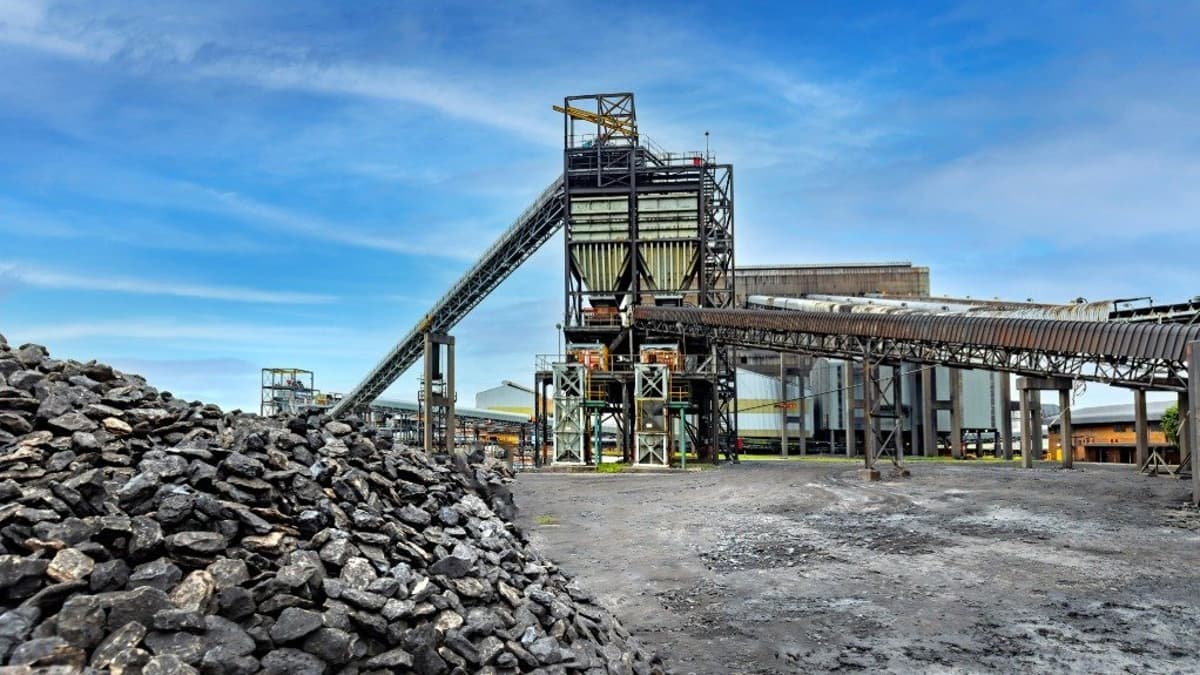
Report Highlights Challenges, Risks Facing Sasol Amid the Just Energy Transition
Why It Matters
Sasol’s trajectory will shape South Africa’s industrial stability, employment prospects, and ability to meet climate commitments, making its transition strategy a critical national priority.
Key Takeaways
- •Sasol supports 27,000 direct and 425,000 indirect jobs in South Africa.
- •Coal feedstock costs rising; Isibonelo Colliery nearing depletion.
- •Planned output drop to 6.4 Mt by 2034 threatens profitability.
- •Emissions target: 30% cut by 2030, net‑zero by 2050.
- •Early just‑transition planning needed to protect communities and jobs.
Pulse Analysis
Sasol sits at the nexus of South Africa’s energy security and its climate agenda. As the country’s biggest petrochemical producer, the company supplies feedstock for plastics, fuels and chemicals that underpin a wide swath of downstream industries. The newly released "Just Transition" report underscores the scale of the challenge: more than a quarter‑million jobs are directly tied to Sasol’s operations, and any disruption reverberates through municipalities, supply chains and the national GDP. Understanding this interdependence is essential for investors, policymakers and labor groups navigating the shift toward low‑carbon economies.
The firm’s vulnerabilities are multi‑dimensional. Financially, high debt and thin profit margins limit the ability to fund large‑scale decarbonisation projects. Declining coal quality, rising transport costs, and the impending exhaustion of gas feedstock at Sasolburg force a reassessment of the Secunda coal‑mining model, especially as the Isibonelo Colliery approaches depletion. Aging infrastructure demands capital‑intensive upgrades, while global chemical markets grow increasingly oversupplied, squeezing margins further. On the environmental front, Sasol must achieve a 30% emissions reduction by 2030 and net‑zero by 2050, targets that clash with its current coal‑centric production pathway.
The stakes extend beyond corporate balance sheets. Without proactive planning, thousands of skilled workers could face redundancy, and entire towns risk economic decay. Stakeholders—including unions, government agencies and international partners—are urged to design retraining programmes, invest in renewable‑compatible technologies, and establish safety nets for affected communities. Early, coordinated action can transform Sasol’s challenge into an opportunity, positioning South Africa as a leader in a just energy transition while safeguarding its industrial heritage and social fabric.
Report highlights challenges, risks facing Sasol amid the just energy transition
Comments
Want to join the conversation?
Loading comments...