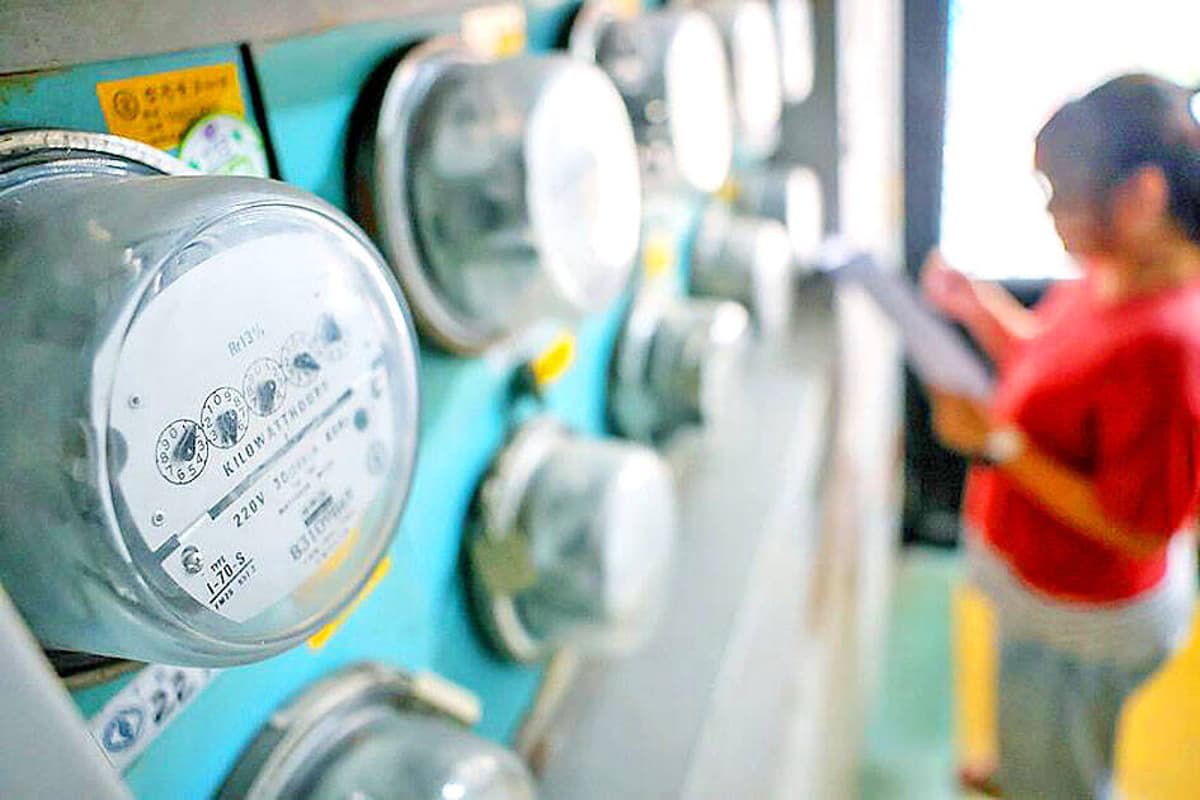
Residential Electricity Rates to Rise on June 1: Taipower
Why It Matters
The hike adds roughly $15 to the typical household bill, tightening disposable income for Taiwanese consumers and highlighting the growing strain of cooling‑driven demand on the grid.
Key Takeaways
- •Summer residential bill climbs to NT$1,084 (~$36) per month.
- •Usage increase accounts for 73% of bill rise, rates 27%.
- •Six‑tier pricing peaks at NT$3.80/kWh (~$0.13) in summer.
- •Time‑of‑use plans remain less economical for low‑consumption households.
Pulse Analysis
Taiwan’s electricity market has relied on a seasonal pricing model since 1989, and the upcoming summer schedule underscores how climate‑driven demand shapes utility revenue. With temperatures regularly soaring above 30 °C, air‑conditioning and other cooling equipment drive a sharp rise in load, prompting Taipower to activate higher tariffs from June through September. The utility’s website notes that roughly 15 million residential and small‑commercial accounts will be subject to the new rates, while about 26 000 high‑voltage users face an even longer summer window extending to mid‑October. This structure mirrors the island’s need to balance supply adequacy with price signals.
The average Taiwanese household will see its monthly electricity bill jump from NT$638 ($21) to NT$1,084 ($36), a 70% increase. Taipower attributes 73% of that rise to higher consumption—418 kWh in summer versus 308 kWh off‑season—while the remaining 27% stems from the seasonal rate uplift. Under the six‑tier progressive schedule, the marginal price climbs to NT$3.80/kWh (≈$0.13) for the top bracket, still below many U.S. residential rates but significant for cost‑sensitive consumers. Although time‑of‑use plans exist, the standard tiered system remains cheaper for most low‑usage households.
The higher summer tariffs send a clear market signal encouraging energy‑saving behavior and could accelerate adoption of demand‑response technologies. For industrial users, the extended rate period through October aims to curb peak loads and defer costly capacity expansions. Policymakers may view the rate adjustment as a lever to support Taiwan’s renewable‑energy transition, where distributed solar and battery storage can offset cooling‑driven peaks. As climate variability intensifies, utilities like Taipower are likely to refine seasonal pricing further, making consumer awareness and efficiency measures increasingly vital.
Residential electricity rates to rise on June 1: Taipower
Comments
Want to join the conversation?
Loading comments...