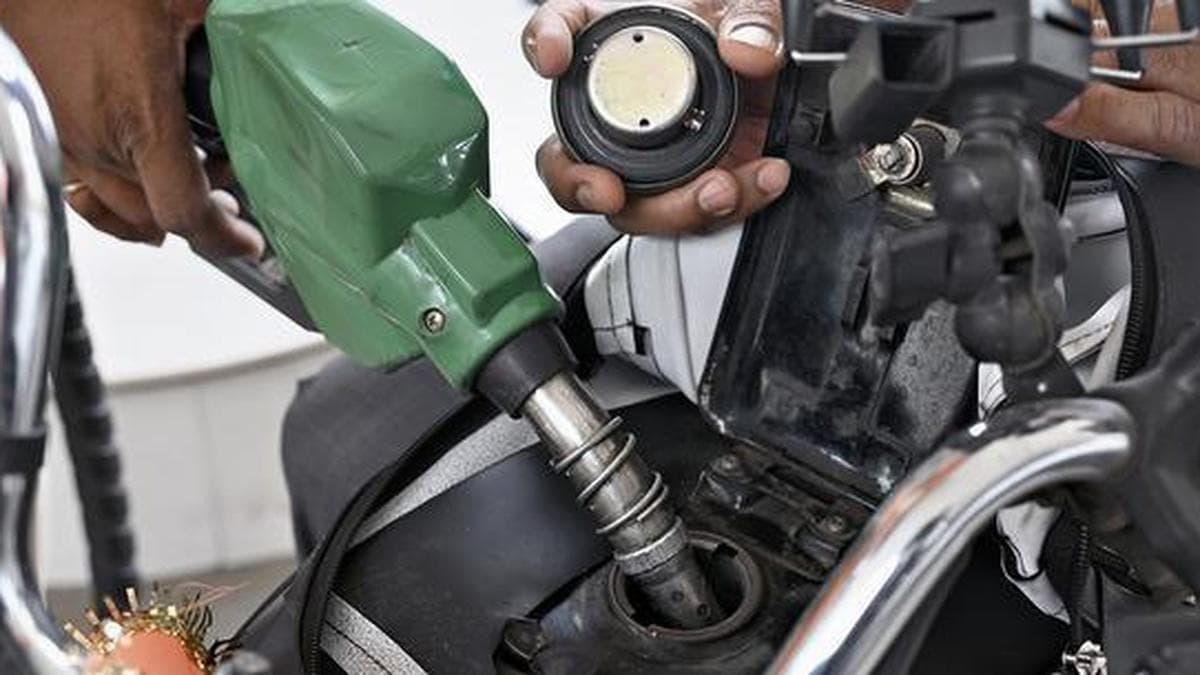
Retail Fuel Price Hike 'Inevitable' If Global Oil Pressures Persist: BPCL's Director HR
Why It Matters
The warning signals higher pump prices for Indian consumers and underscores the fiscal strain on the government, while reinforcing the strategic shift toward diversified and greener energy sources.
Key Takeaways
- •BPCL warns retail fuel price hike unavoidable amid global oil volatility
- •India doubled fuel supply sources to 40, adding Russian imports
- •Diversification helped avoid shortages despite 2 million barrels blocked at Hormuz
- •Government targets 15% natural gas mix, boosting green energy shift
- •Ethanol blending at 20% seen as buffer against petrol shortages
Pulse Analysis
Global oil markets have been rattled by a series of geopolitical shocks, pushing Brent crude up 20‑50 percent since early 2024. In India, where fuel subsidies and price caps are politically sensitive, BPCL’s senior HR executive warned that the next retail price adjustment is likely unavoidable. He presented three pathways for policymakers: transmit the cost to consumers, let oil majors absorb the loss, or resort to deficit financing. Each option carries distinct macro‑economic repercussions, from inflationary pressure on households to widening fiscal deficits.
To mitigate supply‑side risks, India has aggressively diversified its crude sourcing. BPCL disclosed that the number of supply points has risen from 20 to 40, incorporating Russian barrels alongside African and Middle‑Eastern cargoes. This expanded network proved critical when a 2 million‑barrel flow was halted at the Strait of Hormuz, yet domestic fuel availability remained stable. The broader industry trend of multi‑source procurement not only cushions against geopolitical bottlenecks but also reduces reliance on any single supplier, enhancing energy security.
Simultaneously, the price volatility is accelerating India’s transition to cleaner energy. With more than 200 GW of solar capacity already online, the government is pushing for a 15 percent natural‑gas share in the energy mix, up from the current 7‑8 percent, and promoting a 20 percent ethanol‑blending mandate for petrol. Hydrogen and bio‑gas projects are also gaining momentum. These initiatives aim to lower the foreign‑exchange burden of oil imports while meeting climate commitments, positioning India as a fast‑moving market in the global green‑energy shift.
Retail fuel price hike 'inevitable' if global oil pressures persist: BPCL's Director HR
Comments
Want to join the conversation?
Loading comments...