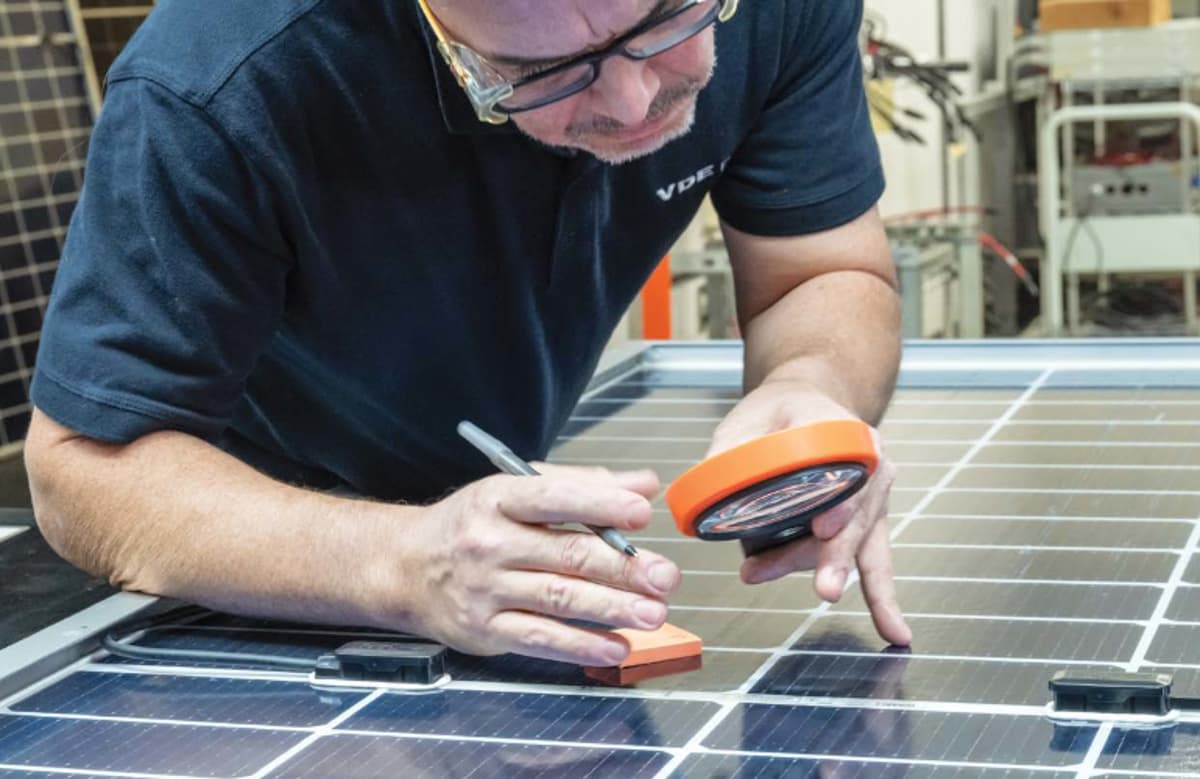
RETC Solar Panel Report Shows Troubling Performance Issues
Why It Matters
Reliability gaps raise financial and operational risk for developers, financiers and asset owners, potentially slowing solar investment and prompting stricter quality standards.
Key Takeaways
- •Over 10% modules failed 2,000‑hour damp‑heat test
- •UV degradation flagged in 8.3% of samples for second year
- •Red‑flag failures rose across multiple stress tests year‑over‑year
- •13 manufacturers earned Overall Highest Achiever status
- •RETC data urges tighter procurement risk assessments
Pulse Analysis
The Renewable Energy Testing Center (RETC) has become a pivotal reference point for the solar industry as it publishes its 2026 Photovoltaic Module Index (PVMI). Unlike standard certification programs that verify baseline compliance, RETC’s extended real‑world testing subjects panels to 2,000‑hour damp‑heat exposure, ultraviolet stress, mechanical loads and thermal cycling that mimic decades of field operation. By revealing hidden degradation pathways, the lab provides developers and financiers with data that go beyond the "pass‑or‑fail" label, helping them anticipate performance shortfalls before large‑scale deployment.
The latest PVMI paints a sobering picture: more than one in ten modules failed the rigorous damp‑heat test, while 8.3% showed unacceptable UV‑induced degradation—a repeat of the previous year’s findings. Red‑flag results also climbed across potential‑induced degradation, static and dynamic mechanical load, and thermal‑cycling categories. For investors, these failure rates translate into higher warranty claims, reduced energy yield forecasts, and tighter debt‑service coverage ratios. Asset owners may need to re‑evaluate existing portfolios, incorporate additional performance guarantees, or allocate capital for accelerated module replacement, all of which can erode project economics.
Industry stakeholders are responding by tightening procurement criteria and demanding more transparent testing data. The convergence of RETC’s results with similar warnings from Kiwa PVEL suggests a broader reliability challenge as manufacturers scale production and introduce new materials. Anticipating stricter contractual clauses, insurers are likely to adjust premiums, and utilities may favor modules with proven long‑term durability. In the near term, the PVMI could catalyze the development of enhanced certification standards that integrate extended stress testing, ultimately safeguarding the solar sector’s rapid growth and its role as a cornerstone of clean‑energy infrastructure.
RETC solar panel report shows troubling performance issues
Comments
Want to join the conversation?
Loading comments...