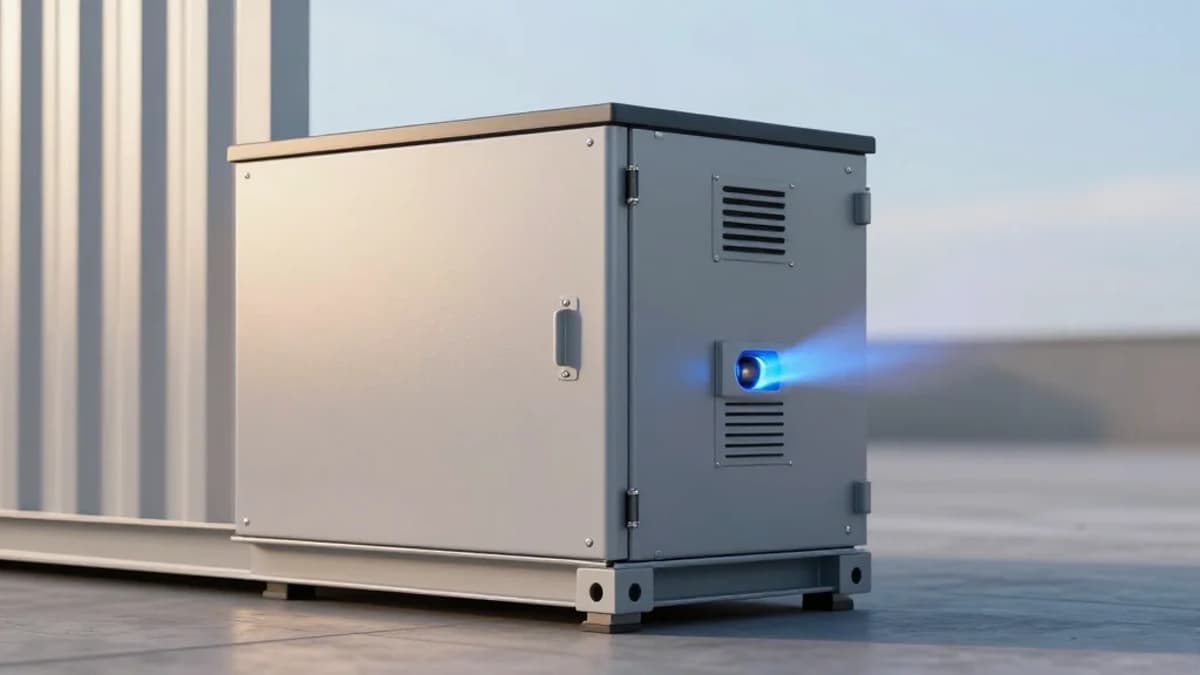
Rolls-Royce Launches Hydrogen-Ready Modular Gas Engine Power Plants
Companies Mentioned
Why It Matters
It accelerates Germany’s transition to a hydrogen‑enabled, renewable‑heavy grid while giving utilities a fast, flexible backup solution, reducing reliance on fossil‑fuel peakers and boosting energy security. The modular approach also signals a broader industry shift toward decentralized, low‑carbon power generation.
Key Takeaways
- •Modular gas engines deliver 5‑30 MW per module.
- •Engines can burn hydrogen immediately, future‑proofed.
- •Deployment time 12‑18 months from order.
- •Supports Germany’s 10‑25 GW hydrogen‑ready target.
- •Enhances grid resilience via decentralized generation.
Pulse Analysis
Germany’s Power Plant Strategy aims to secure a renewable‑dominant electricity mix by 2030, but the intermittency of wind and solar requires firm, dispatchable capacity. Hydrogen‑ready gas engines fill this gap, offering a bridge between existing natural‑gas infrastructure and a future low‑carbon fuel base. By delivering modular units that can be installed quickly, Rolls‑Royce provides a pragmatic tool for utilities to meet regulatory targets without waiting for large‑scale hydrogen production to scale.
The Rolls‑Royce solution stands out for its scalability and speed. Pre‑configured 10, 20 and 30 MW modules can be combined to create plants ranging from 5 MW up to several hundred megawatts, and the entire system can be grid‑connected within a year to 18 months after order. This rapid deployment is attractive to data‑center operators and industrial users who need reliable backup power and to grid operators seeking to smooth renewable fluctuations. The engines’ ability to switch instantly between natural gas and hydrogen further future‑proofs assets as hydrogen supply chains mature.
Beyond Germany, the modular, hydrogen‑compatible architecture signals a shift toward decentralized energy assets worldwide. As more regions adopt renewable mandates, the need for flexible, low‑carbon peaking power will grow, positioning Rolls‑Royce to capture market share in Europe, North America, and emerging economies. The approach also challenges traditional large‑scale combined‑cycle plants, encouraging a more resilient, distributed grid topology that can better withstand supply shocks and support carbon‑neutral objectives.
Rolls-Royce Launches Hydrogen-Ready Modular Gas Engine Power Plants


Comments
Want to join the conversation?
Loading comments...