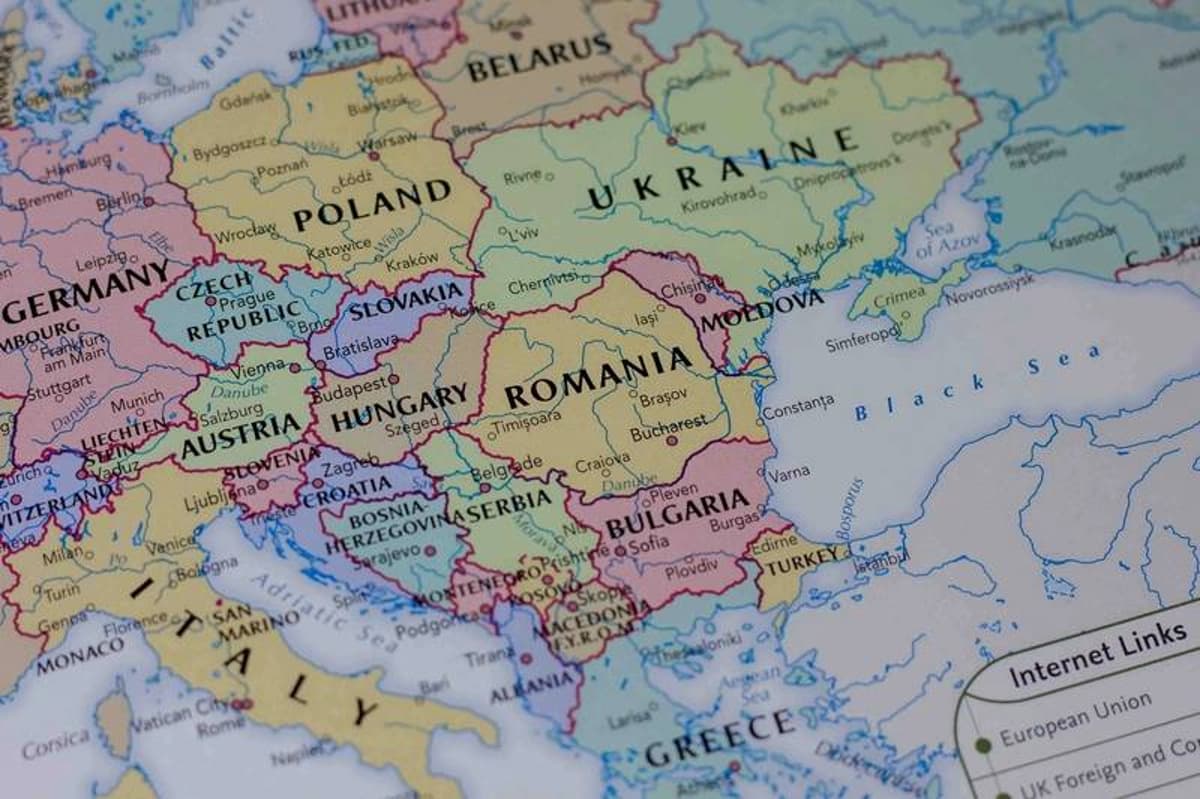
Romanian Neptun Deep Black Sea Gas Project Begins to Lay Pipeline
Companies Mentioned
Why It Matters
Doubling Romania’s gas production strengthens EU energy independence from Russian supplies and creates a new export hub for Central Europe. The project also showcases the viability of deep‑water development in the geopolitically sensitive Black Sea region.
Key Takeaways
- •Neptun Deep holds ~100 bcm recoverable gas, EU's largest deposit
- •Pipeline laying begins, 160 km offshore-to‑onshore, expected two‑month duration
- •Project will double Romania’s gas output, making it exporter by 2027
- •Gas will supply Romania, Germany, Moldova, with interest from Slovakia
- •OMV Petrom and Romgaz joint venture; Saipem ships handle pipeline installation
Pulse Analysis
The Neptun Deep field represents a strategic pivot for the European Union’s energy landscape. As the bloc accelerates its transition away from Russian hydrocarbons, indigenous sources like the Black Sea become critical. The 100 billion cubic metres of recoverable gas positions Romania as a potential energy anchor, reducing reliance on imports and bolstering regional supply security. Analysts view the project as a benchmark for unlocking other deep‑water assets across the Black Sea, a basin historically underexploited due to technical and geopolitical challenges.
Operationally, the pipeline rollout underscores the complex logistics of offshore gas development. Saipem’s Castoro 10 and Castorone are part of a 50‑vessel fleet tasked with installing subsea infrastructure, a process slated for two months. Concurrently, a gas‑metering plant onshore is being readied for summer commissioning, ensuring that once the six remaining deep‑water wells are drilled, production can flow seamlessly to market. The partnership between Austria’s OMV and Romania’s Romgaz blends private capital with state oversight, mitigating risk while leveraging local expertise.
Commercially, Neptun Deep is set to reshape regional gas dynamics. By potentially doubling Romania’s output, the country could shift from an import‑dependent posture to a net exporter, supplying neighboring Germany, Moldova and, pending agreements, Slovakia. This diversification offers European buyers a stable, non‑Russian supply line, while providing Romania with new revenue streams and geopolitical clout within the EU. As the project moves toward first gas in 2027, investors and policymakers alike will monitor its performance as a template for future deep‑water ventures in the Black Sea and beyond.
Romanian Neptun Deep Black Sea Gas Project Begins to Lay Pipeline
Comments
Want to join the conversation?
Loading comments...