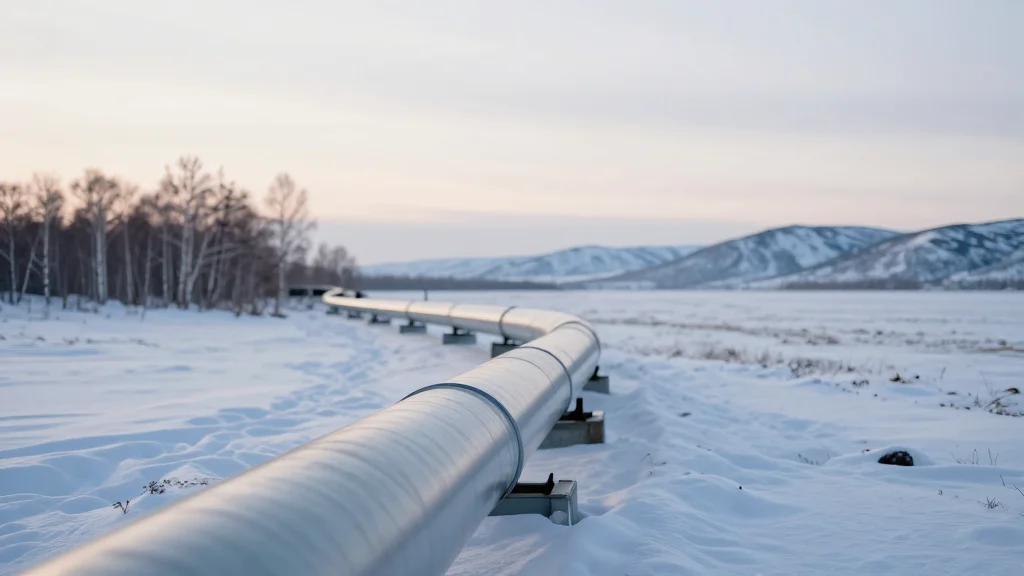
Russia-China Summit Ends Without Power of Siberia 2 Gas Deal, Stalling $15 B Project

Why It Matters
The Power of Siberia 2 pipeline is a linchpin for Russia’s strategy to replace lost European gas revenues with Asian sales. Its delay forces Moscow to lean more heavily on oil exports and spot LNG markets, which are price‑volatile and less profitable. For China, the pipeline represents a hedge against maritime supply disruptions, but the price dispute reveals Beijing’s intent to diversify energy sources and avoid over‑dependence on a single supplier. The stalemate therefore reshapes the balance of power in Eurasian energy trade and could accelerate the pivot of Russian gas toward other markets, influencing global gas pricing and geopolitical alignments. Moreover, the outcome of these negotiations will affect the broader push for a multipolar energy order. A successful pipeline would cement a deep, long‑term interdependence between the two largest energy consumers, potentially marginalizing Western influence in the sector. Conversely, continued deadlock may push both nations to seek alternative partnerships, opening space for new players such as India or the Gulf states to fill the gap. The unresolved status of Power of Siberia 2 also underscores the fragility of large‑scale cross‑border infrastructure projects in a climate of sanctions, price volatility, and shifting geopolitical priorities. Stakeholders across the energy value chain—from upstream producers to downstream utilities—must factor this uncertainty into investment and supply‑chain strategies for the coming decade.
Key Takeaways
- •Power of Siberia 2 pipeline valued at $15 billion, 1,600 mi, 50 bcm/yr capacity
- •Negotiations stalled over Chinese demand for 12‑13 cents/m³ price versus Russian expectations
- •Kremlin spokesman Dmitry Peskov said parties reached a basic understanding but no clear timeline
- •Russia’s oil exports to China rose 35 % in Q1 2026 as gas deal remains pending
- •Analysts warn the deadlock highlights a power imbalance, with Russia needing China more than before
Pulse Analysis
The Power of Siberia 2 impasse is more than a missed contract; it reflects a structural shift in the energy bargain between Moscow and Beijing. Historically, Russia leveraged its vast gas reserves to extract political concessions from Europe. With European demand collapsing, Moscow has turned eastward, betting on China’s appetite for secure, over‑land supplies. However, Beijing’s insistence on domestic‑price parity reveals a strategic calculation: it wants to lock in cheap gas without ceding bargaining power or creating a single‑source dependency. This dynamic mirrors the broader trend of energy‑rich states seeking diversified export routes while importing nations demand price transparency and supply security.
From a market perspective, the stalled pipeline keeps Russian gas off the Asian spot market, sustaining higher LNG price premiums for buyers like Japan and South Korea. It also preserves a degree of price elasticity for European gas markets, which continue to source from Norway, the U.S., and emerging African projects. In the longer term, if Russia cannot secure a favorable deal, it may accelerate its pivot toward other Asian partners—India, for instance—potentially reshaping the global gas trade map.
Strategically, the episode underscores the limits of the “no‑limits” partnership narrative. While political rhetoric paints an unbreakable alliance, the underlying economics dictate the terms. As the United States expands its LNG exports to China, and as the Middle East remains volatile, both Russia and China will need to balance geopolitical solidarity with pragmatic commercial terms. The next negotiation round will likely involve creative financing—perhaps sovereign‑wealth‑fund backing or joint‑venture structures—to bridge the price gap, but the fundamental question remains: can two great powers reconcile divergent economic imperatives without compromising their broader strategic goals?
Russia-China Summit Ends Without Power of Siberia 2 Gas Deal, Stalling $15 B Project
Comments
Want to join the conversation?
Loading comments...