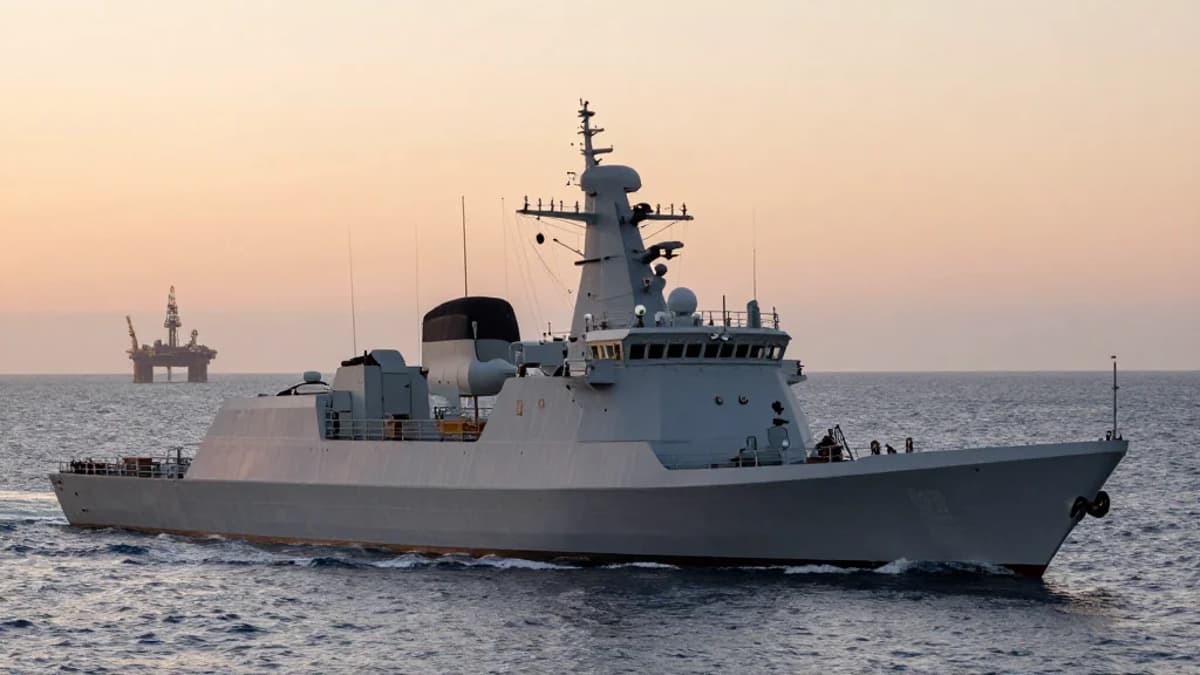
Russia Warns of Escalation as US-Iran Tensions Intensify
Why It Matters
The convergence of US military pressure, Russian naval involvement, and unresolved nuclear talks raises the risk of a broader Middle‑East conflict, threatening global energy markets and geopolitical stability.
Key Takeaways
- •Russia deploys corvette to Iranian naval drills.
- •US military buildup aims to conclude by mid‑March.
- •Iran and US remain divided on nuclear negotiations.
- •Oil prices rise amid heightened Middle East tensions.
- •Poland urges citizens to evacuate Iran immediately.
Pulse Analysis
The United States has intensified its presence in the Persian Gulf, deploying carriers, warships, and aircraft in a bid to pressure Tehran over its nuclear ambitions. President Trump’s repeated threats to bomb Iran, coupled with diplomatic deadlock, have amplified market anxiety, driving crude prices upward. Analysts note that the timing of the buildup—targeted for completion by mid‑March—coincides with a critical window for diplomatic overtures, yet the lack of a concrete US‑Iran agreement keeps the region on edge.
Russia’s decision to send a corvette to join Iran’s naval exercises signals a strategic pivot toward Tehran, challenging US dominance in the Gulf. By participating in the Gulf of Oman drills, Moscow not only demonstrates solidarity with Iran but also tests the limits of US naval freedom of navigation. This move reflects broader Russian ambitions to reassert influence in the Middle East, leveraging energy partnerships and military cooperation to counterbalance Western pressure. The presence of Russian warships adds a new layer of complexity to an already volatile security environment.
For businesses and investors, the escalating rhetoric translates into tangible risk. Energy firms face potential disruptions to a key shipping lane, while airlines and logistics providers must reassess route security. European governments, exemplified by Poland’s evacuation advisory, are preparing contingency plans for citizens and assets. Market participants are advised to monitor diplomatic signals closely, hedge exposure to oil price volatility, and consider scenario‑based planning for possible escalation that could reverberate across global supply chains.
Russia warns of escalation as US-Iran tensions intensify


Comments
Want to join the conversation?
Loading comments...