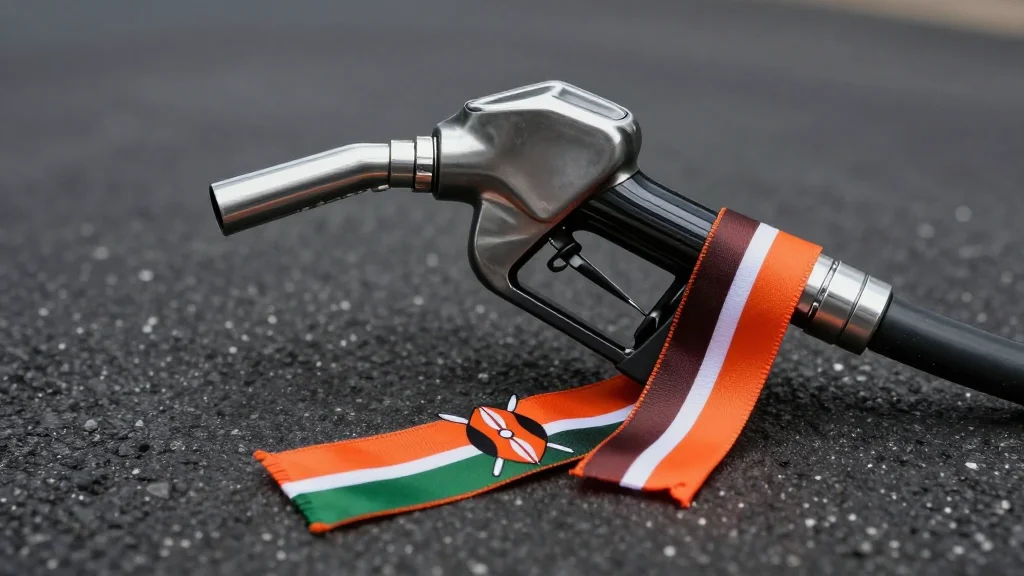
Ruto Convenes Crisis Meeting over High Fuel Prices
Why It Matters
The fuel price crisis threatens Kenya’s logistics costs, inflation and social stability, making swift policy action critical for both the economy and public order.
Key Takeaways
- •Kenya's government allocated ~$80 million stabilization fund for fuel prices.
- •Deputy President leads crisis meeting with energy, treasury, transport, interior ministers.
- •Officials consider further cutting fuel taxes after nationwide transport protests.
- •VAT on fuel already halved; more relief could ease living costs.
- •Protests caused road blockages, looting, highlighting social unrest risk.
Pulse Analysis
Kenya’s fuel price surge reflects a perfect storm of global oil market volatility, regional geopolitical tension, and domestic tax structures. While the government’s $80 million stabilization fund and a 50% VAT cut have provided temporary relief, the underlying cost drivers—import duties, excise taxes, and currency depreciation—remain high. Analysts note that without deeper fiscal adjustments, price volatility will continue to ripple through the supply chain, inflating transport costs and feeding broader inflationary pressures that erode household purchasing power.
The crisis meeting chaired by Deputy President Kithure Kindiki signals a rare convergence of political will and sectoral collaboration. By bringing together the energy, treasury, transport and interior ministries with private‑sector stakeholders, the administration aims to craft a coordinated response that balances revenue needs with social stability. Potential policy levers include further reductions in fuel excise, temporary subsidies for essential goods transport, and streamlined customs procedures to lower import costs. Such measures could stabilize market expectations and dampen the incentive for disruptive protests that have already damaged infrastructure and public confidence.
Beyond immediate price relief, the episode underscores Kenya’s vulnerability to external shocks and the importance of building a resilient energy strategy. Diversifying away from imported petroleum through investments in renewable fuels, expanding strategic reserves, and enhancing domestic refining capacity could mitigate future crises. For investors and businesses, monitoring the government’s fiscal response will be key to assessing risk exposure in logistics, agribusiness, and consumer markets, where fuel costs constitute a significant expense line.
Ruto convenes crisis meeting over high fuel prices
Comments
Want to join the conversation?
Loading comments...