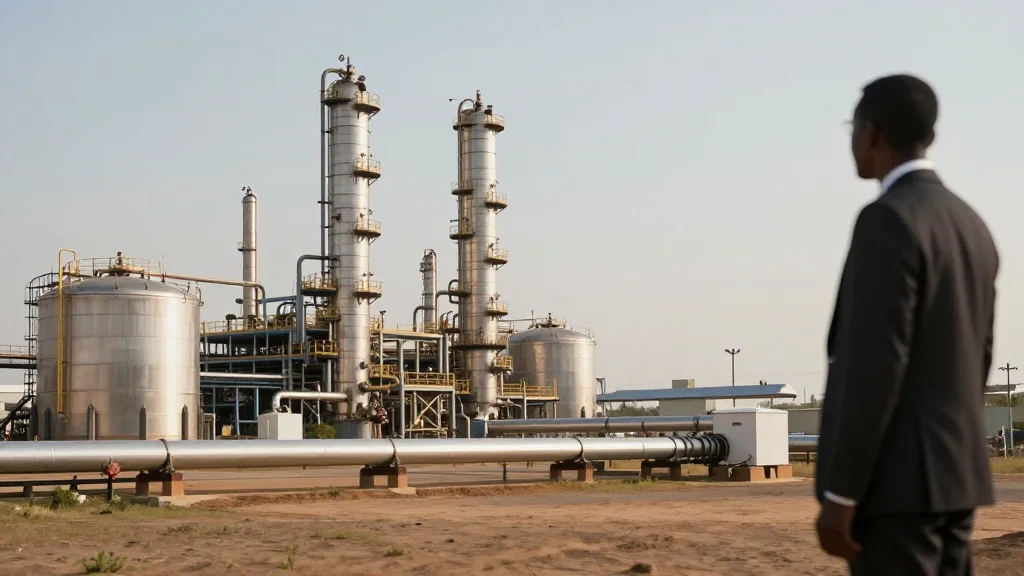
Ruto Makes Case to Tanzania for Tanga Refinery
Why It Matters
A Tanga refinery could reduce East Africa’s reliance on imported fuels and deepen Kenya‑Tanzania economic integration, unlocking significant trade and investment potential.
Key Takeaways
- •Dangote may fund Tanga refinery, mirroring his Nigerian plant.
- •Kenya‑Tanzania signed eight agreements covering energy, rail and trade.
- •EAC intra‑regional trade hit $860 million in 2025, 40% growth.
- •Tanzanian MPs expressed openness, paving way for refinery negotiations.
- •Removing NTBs by June 30 aims to boost cross‑border commerce.
Pulse Analysis
The proposal to build a crude‑oil refinery in Tanga marks a watershed for East Africa’s energy landscape. With the region importing most of its refined products, a locally‑sited plant could slash transport costs and improve fuel security for Kenya, Tanzania, Uganda and the Democratic Republic of Congo. Aliko Dangote’s willingness to provide financing brings the scale and technical expertise of his Nigerian mega‑refinery to the table, while the Tanga site leverages existing port infrastructure and proximity to the Indian Ocean trade lanes.
Politically, the initiative tests the resilience of Kenya‑Tanzania ties. President William Ruto’s state visit revealed a communication gap; Tanzanian officials were initially caught off guard, prompting a public rebuke from President Samia Suluhu Hassan. Ruto’s subsequent engagements—business forum, parliamentary address, and eight bilateral accords—helped re‑frame the project as a catalyst for broader economic integration. The agreements, which include a natural‑gas pipeline, railway cooperation and a pledge to eliminate non‑tariff barriers by June 30, aim to unlock the $860 million intra‑EAC trade flow that has been throttled by bureaucracy.
If the refinery proceeds, it could reshape investment patterns across the Horn of Africa. A regional processing hub would attract downstream petrochemical projects, create skilled jobs, and generate fiscal revenues for both host and partner states. Moreover, the venture signals to global investors that East Africa is moving beyond fragmented markets toward a coordinated value chain, potentially spurring additional financing for infrastructure such as the standard‑gauge railway and cross‑border power grids. The next phase will hinge on detailed feasibility studies, clear revenue‑sharing formulas, and sustained political goodwill.
Ruto makes case to Tanzania for Tanga refinery
Comments
Want to join the conversation?
Loading comments...