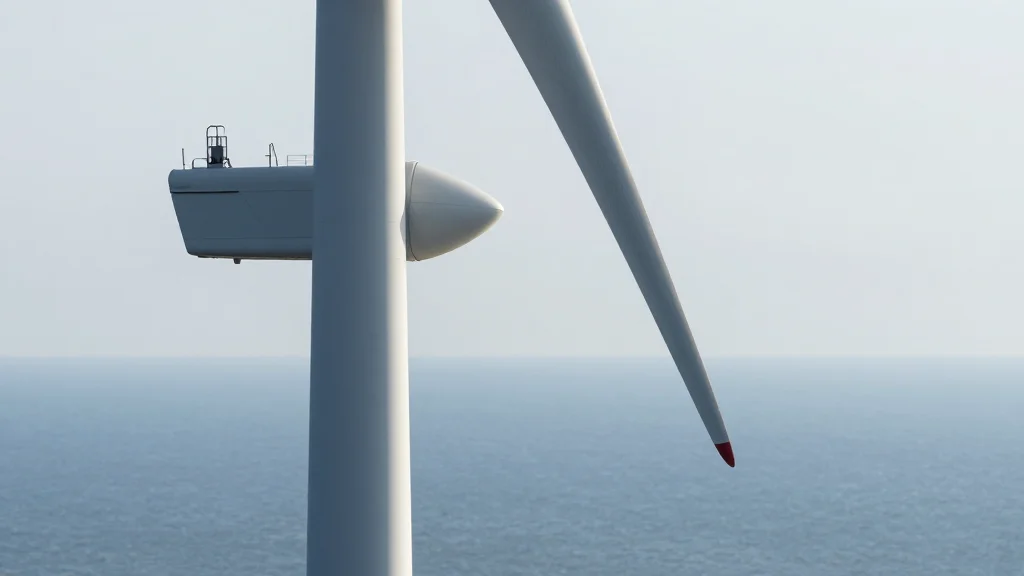
RWE Installs CO2-Reduced Steel Tower and Recyclable Blades at Thor
Why It Matters
The deployment demonstrates how greener materials can slash the lifecycle emissions of offshore wind, accelerating the sector’s shift toward a circular, low‑carbon energy supply chain.
Key Takeaways
- •RWE installed first turbine with GreenerTower steel at Thor.
- •Steel emits ≤0.7 t CO₂‑eq per tonne, cutting tower carbon intensity.
- •120 recyclable blades will be fitted on 40 turbines.
- •Project creates 50‑60 local jobs at Thorsminde service hub.
- •Full 72‑turbine, 1.1 GW farm slated for 2027 completion.
Pulse Analysis
Offshore wind is rapidly becoming the backbone of Europe’s renewable energy strategy, and developers are now looking beyond turbine capacity to the carbon intensity of every component. RWE’s recent installation at the Thor farm showcases how using steel certified for ultra‑low CO₂ emissions can reduce the overall carbon footprint of a project. By adopting Siemens Gamesa’s GreenerTower, which limits emissions to 0.7 t CO₂‑eq per tonne of steel, the company aligns its hardware procurement with the broader decarbonisation targets set by the EU and national regulators.
The recyclable blade technology adds another layer of sustainability by enabling end‑of‑life material recovery. The resin matrix can be separated, allowing composites to be repurposed for automotive casting or consumer‑goods production, a practice that addresses the growing waste concerns associated with wind‑farm decommissioning. This circular‑economy approach not only mitigates landfill risk but also creates secondary revenue streams, encouraging manufacturers to invest in recyclable designs across the sector.
From a market perspective, RWE’s move signals to investors that low‑carbon supply chains are commercially viable and can generate local employment. The Thorsminde service hub, projected to create up to 60 jobs, underscores the socioeconomic benefits of offshore projects in coastal regions. As the project nears full operation in 2027, its success could accelerate adoption of greener steel and recyclable blades across Europe’s expanding offshore pipeline, reinforcing the continent’s ambition to reach 300 GW of offshore capacity by 2030.
RWE installs CO2-reduced steel tower and recyclable blades at Thor
Comments
Want to join the conversation?
Loading comments...