Why It Matters
The farm will markedly increase Denmark’s renewable electricity supply, helping meet climate targets and strengthening EU energy independence. Its low‑carbon tower design establishes a new benchmark for sustainable offshore wind construction.
Key Takeaways
- •First turbine installed at 1.1 GW Thor offshore wind farm.
- •72 Siemens Gamesa 15 MW turbines to be completed by 2026.
- •Project uses low‑carbon steel towers and recyclable blades.
- •Expected to power over one million Danish homes by 2027.
- •Creates 50‑60 local jobs; joint ownership with Norges Bank.
Pulse Analysis
Offshore wind is rapidly becoming a cornerstone of Europe’s clean‑energy strategy, and RWE’s Thor project exemplifies that momentum. By deploying 72 Siemens Gamesa 15 MW turbines—the largest capacity units currently in service—the farm will push the envelope of generation density and reliability. The installation of the first turbine marks a critical transition from civil works to full‑scale power production, reinforcing RWE’s position as a leading developer in the competitive North Sea market.
Beyond sheer size, Thor introduces innovative sustainability measures that could reshape turbine manufacturing. The 36 steel towers are produced with a reduced carbon footprint, leveraging high‑strength alloys that require less material while maintaining structural integrity. Additionally, the use of recyclable blade components addresses end‑of‑life waste concerns, aligning the project with circular‑economy principles. These technical choices not only lower lifecycle emissions but also set a precedent for future offshore farms seeking greener supply chains.
The economic ripple effects extend to regional employment and broader energy policy. With 50‑60 permanent jobs tied to the new RWE service hub, Thor injects skilled labor into Denmark’s coastal communities. The 30‑year production licence guarantees long‑term revenue streams, attracting institutional investors like Norges Bank Investment Management. As the farm reaches full operation in 2027, its output—enough for over a million households—will bolster Denmark’s renewable share and contribute to the EU’s goal of energy independence, illustrating how large‑scale offshore projects can deliver both climate and economic dividends.
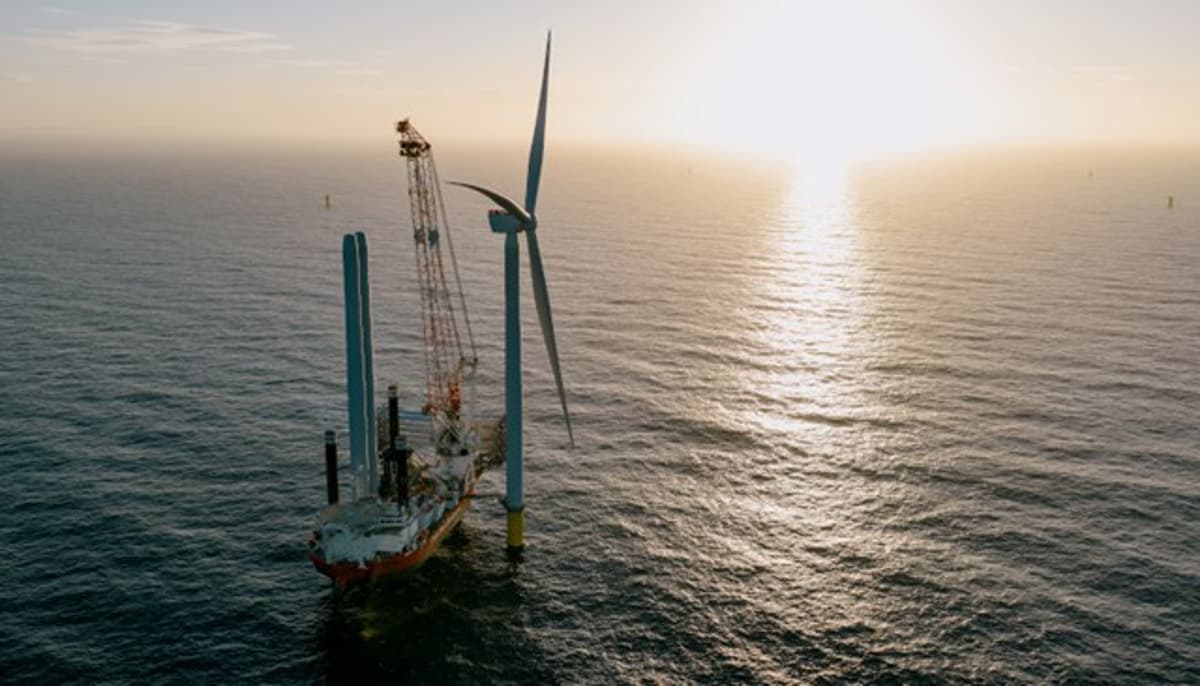
RWE installs first turbine at 1.1GW Thor
0
Comments
Want to join the conversation?
Loading comments...