Why It Matters
The event highlights operational risks in mature on‑shore wind assets and may trigger tighter safety oversight across the sector. Understanding the cause is critical for maintaining investor confidence and turbine reliability.
Key Takeaways
- •Blade detached from Senvion MM92 turbine
- •Incident prompted 50‑metre safety perimeter
- •RWE collaborating with Natural Resources Wales
- •Site remains empty; no injuries reported
- •Investigation may affect future turbine inspections
Pulse Analysis
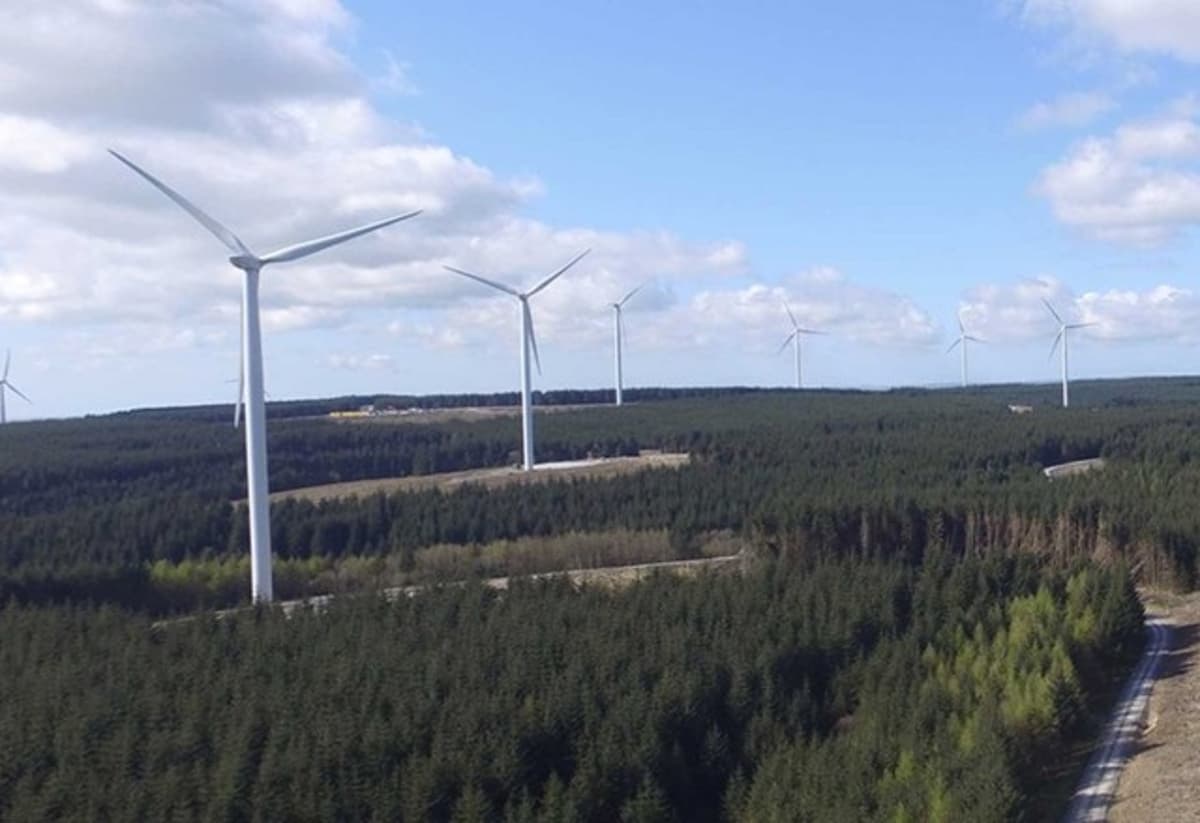
The blade‑off incident at Brechfa Forest West underscores the importance of rigorous asset management for on‑shore wind farms. While the 28‑turbine park has operated since 2018 without major issues, a single blade failure can halt production, trigger regulatory scrutiny, and raise questions about component lifespan. RWE’s immediate response—cordoning a 50‑metre safety zone, removing debris, and deploying a specialist team—demonstrates industry best practices for minimizing downtime and protecting public safety.
Beyond the immediate operational impact, the event could influence how operators assess turbine health across Europe. Senvion’s MM92 model, widely deployed in the UK, may face renewed inspections, especially concerning blade attachment mechanisms and fatigue monitoring. Regulators such as Natural Resources Wales are likely to demand detailed incident reports, potentially leading to tighter certification standards or mandatory retrofits. For investors, any hint of systemic failure can affect valuation models that assume stable capacity factors for renewable assets.
In the broader renewable energy landscape, transparent investigations reinforce market confidence as the sector scales to meet net‑zero targets. Lessons learned from this incident will feed into predictive maintenance algorithms, encouraging the adoption of advanced sensor data and AI‑driven diagnostics. As wind farms age, proactive risk management becomes a competitive advantage, ensuring that supply‑side reliability keeps pace with growing demand for clean power. RWE’s handling of the breach will be watched closely by peers seeking to balance safety, cost efficiency, and long‑term asset performance.
RWE investigates turbine blade incident in Wales
0
Comments
Want to join the conversation?
Loading comments...