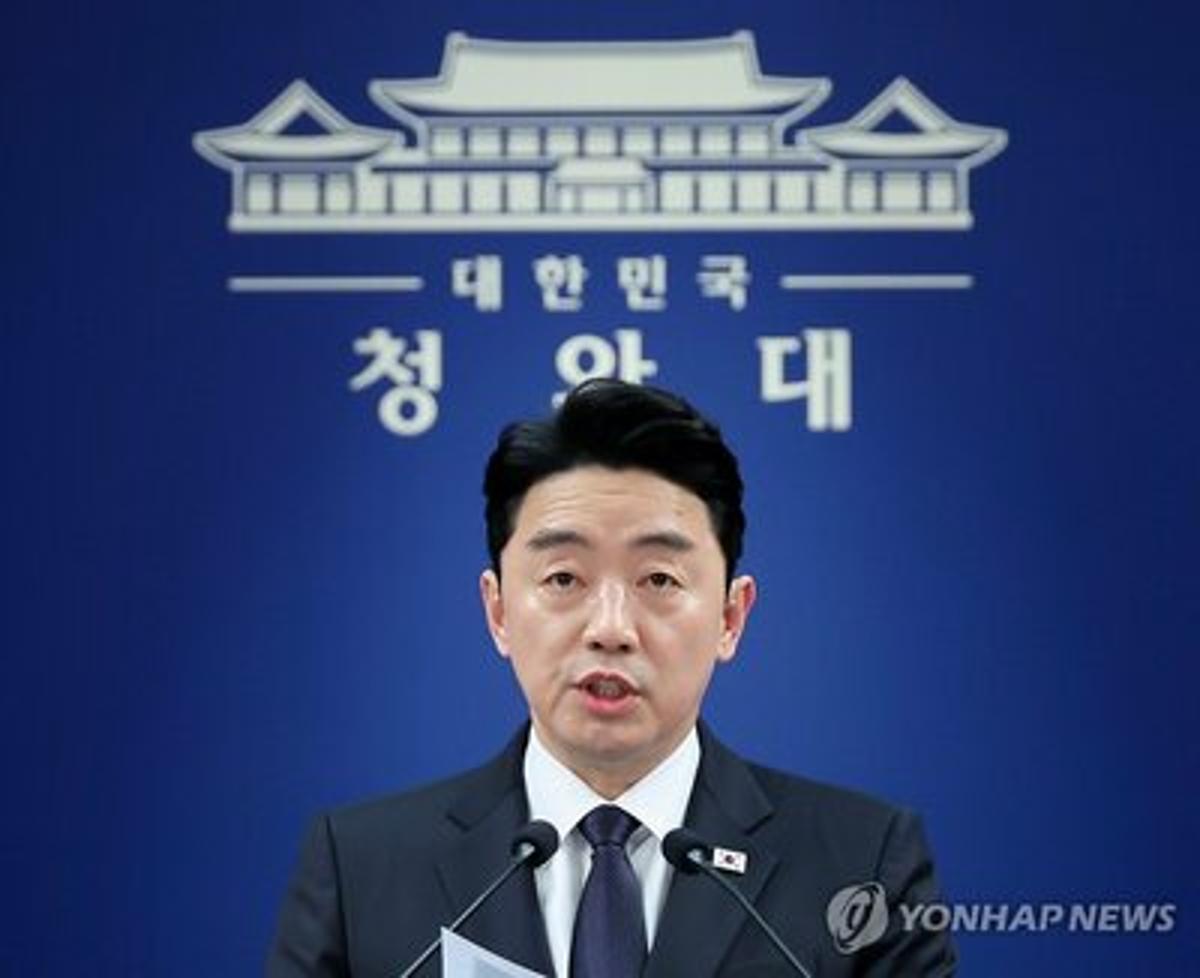
S. Korea Secures 273 Mil. Barrels of Crude Oil, 2.1 Mil. Tons of Naphtha by Year-End: Presidential Aide
Why It Matters
The agreements safeguard South Korea’s energy security despite the Hormuz blockade, reducing reliance on a vulnerable chokepoint and supporting its petrochemical and manufacturing sectors.
Key Takeaways
- •273 M barrels of crude secured for three‑month supply
- •2.1 M tons of naphtha cover roughly one month demand
- •Saudi Arabia provides 200 M barrels, 50 M via Red Sea port
- •Kazakhstan contributes 18 M barrels, bypassing Hormuz
- •Alternative routes and storage plans mitigate Strait of Hormuz risks
Pulse Analysis
The sudden closure of the Strait of Hormuz in February, following the U.S.-led campaign against Iran, sent shockwaves through global energy markets. South Korea, which imports roughly 80 percent of its oil from the Middle East, faced an acute risk of supply disruption that could have rattled its manufacturing-heavy economy. In response, President Lee’s office dispatched a senior delegation to negotiate emergency contracts with four key producers. By securing 273 million barrels of crude and 2.1 million tons of naphtha, Seoul bought enough fuel to keep the economy running for more than three months without resorting to emergency rationing.
The four-nation tour yielded a mix of traditional and unconventional sources. Saudi Arabia, Seoul’s largest supplier, pledged 200 million barrels of crude, including 50 million barrels earmarked for shipment through a newly opened Red Sea terminal, sidestepping the Hormuz chokepoint. Oman added roughly 5 million barrels and 1.5 million tons of naphtha, while Kazakhstan contributed 18 million barrels that travel overland, entirely avoiding the strait. Qatar, despite a force‑majeure on its LNG contract, affirmed South Korea as a top priority for future gas deliveries, reinforcing the broader energy-security agenda.
These contracts not only plug an immediate gap but also reshape South Korea’s supply architecture. By diversifying into Central Asian oil and securing alternative maritime routes, Seoul reduces its exposure to geopolitical flashpoints and gains leverage in future price negotiations, as the purchases will follow market rates. The agreements also lay groundwork for joint storage facilities outside the Hormuz corridor, a strategic move that could become a template for other import‑dependent nations. In the longer term, stable energy inputs support the country’s petrochemical sector and help maintain export competitiveness amid volatile global markets.
S. Korea secures 273 mil. barrels of crude oil, 2.1 mil. tons of naphtha by year-end: presidential aide
Comments
Want to join the conversation?
Loading comments...