Sabotage Threats Have Put Europe’s Power Networks on Alert
Companies Mentioned
Why It Matters
The heightened threat environment forces utilities to allocate scarce capital to resilience, influencing investment flows and shaping the future of Europe’s energy transition.
Key Takeaways
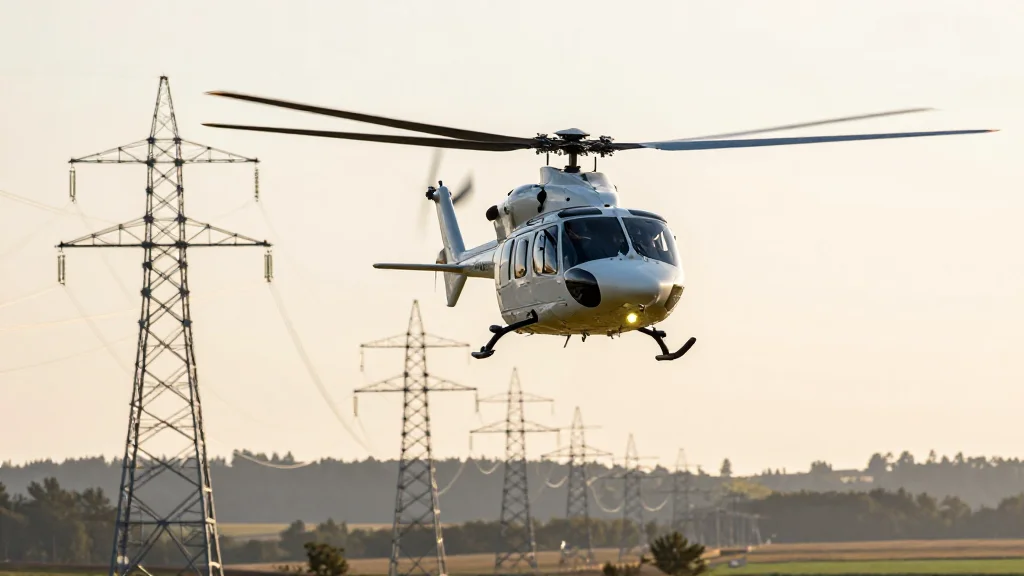
- •Poland’s grid manager uses helicopters to patrol high‑voltage lines
- •EU estimates $1.4 trillion grid upgrades needed by 2040
- •€250 billion ($275 bn) defense fund may finance energy‑security projects
- •Hitachi Energy sells hundreds of mobile substations for emergency response
- •30% of Europe’s low‑voltage grids are over 40 years old
Pulse Analysis
The war in Ukraine has turned Europe’s power infrastructure from a passive asset into a frontline target. NATO now classifies critical energy networks as security priorities, prompting operators like Poland’s PSE to deploy sensor‑laden Robinson R66 helicopters for real‑time line monitoring and to integrate radar and camera systems that can detect drone or vehicle threats. This shift reflects a broader continental move to treat electricity supply as a strategic resource, with governments coordinating intelligence and defense assets to protect the grid from sabotage, cyber‑attacks, and missile strikes.
Financing the hardening of Europe’s grid is a monumental challenge. The European Union estimates $1.4 trillion in upgrades are required by 2040, and a newly earmarked $275 billion defense fund could channel public money into cyber‑resilience, bomb‑proofing, and underground cabling projects. Private capital is also being courted, as banks like JPMorgan highlight the attractiveness of grid‑hardening contracts. Suppliers are responding: Hitachi Energy’s Swedish plant has accelerated production of mobile substations and bullet‑proof transformers, while other vendors see a surge in orders for rapid‑deployment protection kits, creating a fast‑growing niche within the broader energy‑equipment market.
The security push intersects with Europe’s energy transition goals. With 30% of low‑voltage distribution networks exceeding their design life, utilities face a dual imperative: modernize aging assets and embed resilience against physical and digital threats. Policymakers are urging more decentralized architectures—microgrids, storage, and renewable‑linked hubs—to reduce reliance on large, vulnerable nodes. As governments allocate funds and operators adopt advanced surveillance, the continent’s power system is poised to become both greener and tougher, reshaping investment strategies and regulatory frameworks for the next decade.
Sabotage Threats Have Put Europe’s Power Networks on Alert
Comments
Want to join the conversation?
Loading comments...