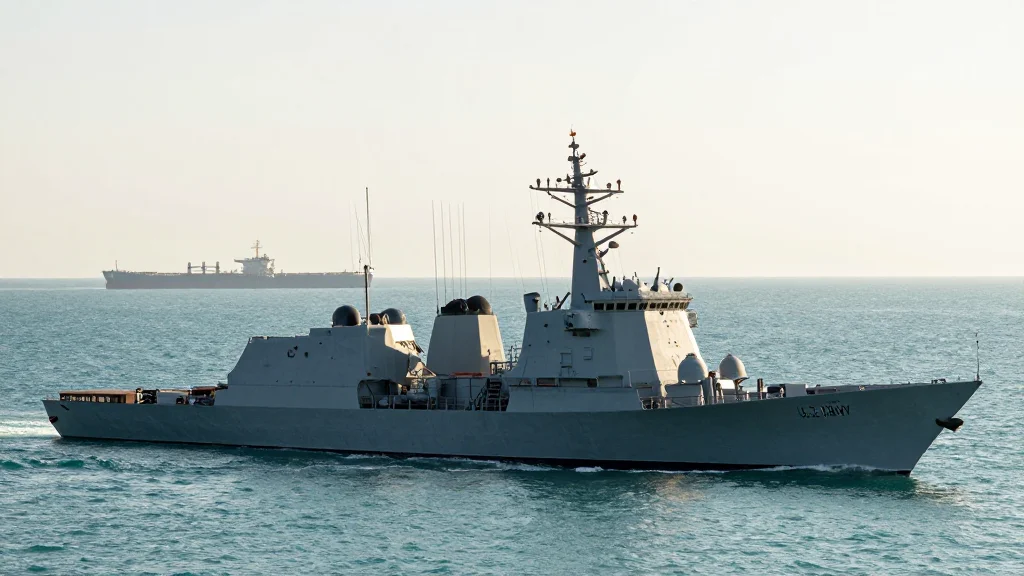
Saudi Arabia Gets More Oil Flowing as US Blocks Strait of Hormuz. What You Need to Know About Iran Today
Why It Matters
The blockade targets a chokepoint that moves roughly 20% of world oil, risking price spikes, while Saudi Arabia’s pipeline provides a limited hedge against supply disruptions.
Key Takeaways
- •Trump announces US blockade of Strait of Hormuz after Tehran talks collapse.
- •Saudi Arabia's East‑West pipeline back to full capacity, sidestepping Hormuz.
- •Iran warns any ship near the strait breaches cease‑fire.
- •Global oil markets face supply risk and price volatility.
- •Australia pursues fuel guarantees as regional tension escalates.
Pulse Analysis
The United States’ decision to block the Strait of Hormuz marks a sharp escalation in a diplomatic deadlock that began with stalled nuclear talks in Islamabad. Trump’s announcement, framed as a response to Tehran’s refusal to provide nuclear assurances, re‑opens a historic flashpoint that channels about one‑fifth of global oil shipments. By threatening to interdict commercial traffic, the move not only raises the specter of direct naval confrontation with Iran’s Revolutionary Guard but also signals a willingness to leverage maritime pressure to extract political concessions.
Saudi Arabia’s East‑West pipeline, restored to full capacity after an earlier Iranian strike, offers a strategic alternative route that bypasses the Persian Gulf entirely. The 1,200‑kilometre conduit can pump crude to the Red Sea, allowing the kingdom to continue exporting its “liquid gold” without relying on the vulnerable Hormuz corridor. This redundancy has already tempered some market panic, as traders factor in the pipeline’s ability to sustain supply flows even if the strait is closed, though capacity constraints mean it cannot fully replace Gulf shipments.
For global markets and regional economies, the convergence of a US‑led blockade and Iran’s threat to treat any vessel as a cease‑fire breach creates heightened energy‑security risk. Oil prices have edged higher on speculation, and import‑dependent nations such as Australia are scrambling for fuel guarantees to shield their economies. Investors watch closely for any escalation that could trigger broader sanctions or military action, while policymakers weigh the cost of a prolonged supply shock against the diplomatic leverage a blockade might provide. The situation underscores how geopolitical maneuvering around a single maritime chokepoint can reverberate through worldwide energy markets.
Saudi Arabia gets more oil flowing as US blocks Strait of Hormuz. What you need to know about Iran today
Comments
Want to join the conversation?
Loading comments...