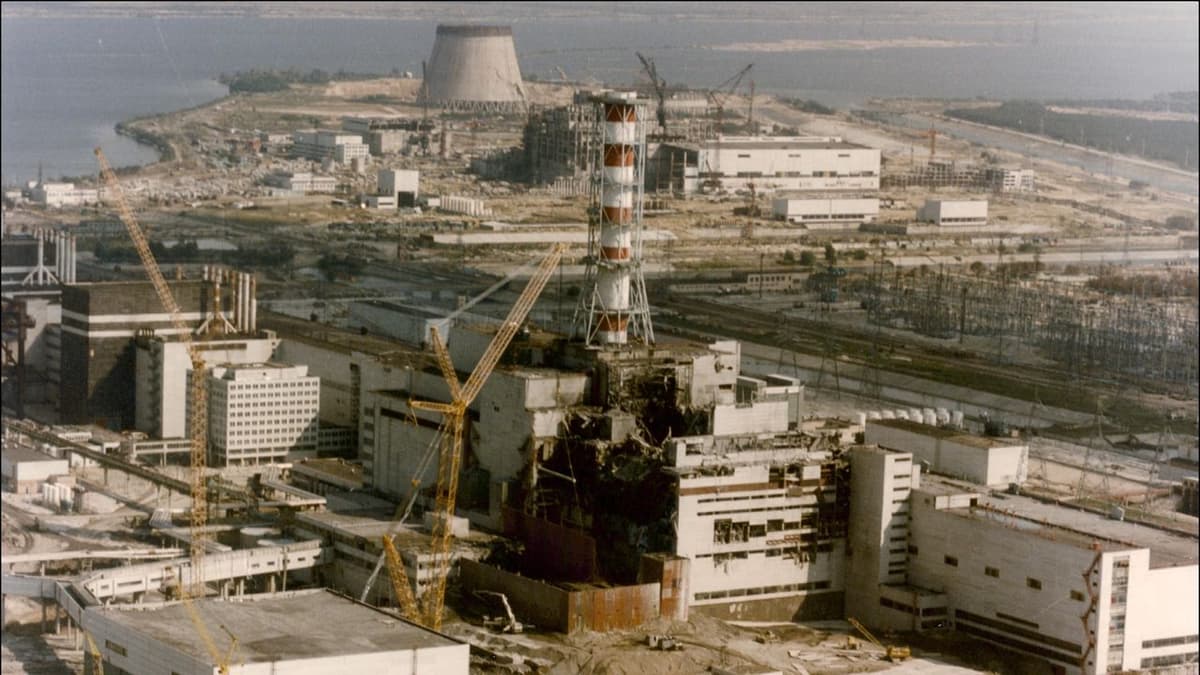
Science History: Chernobyl Nuclear Power Plant Melts Down, Bringing the World to the Brink of Disaster — April 26, 1986
Why It Matters
Chernobyl exposed critical design flaws and human‑error vulnerabilities in nuclear reactors, reshaping global safety standards and influencing the shift toward inherently safer reactor technologies.
Key Takeaways
- •April 26 1986 test triggered uncontrolled power surge and steam explosions.
- •Control rods jammed; graphite tips temporarily accelerated fission.
- •RBMK design’s positive void coefficient enabled runaway reaction.
- •Two workers died instantly; dozens later from radiation‑related illnesses.
- •Exclusion zone now a 1,000‑square‑mile wildlife preserve and research site.
Pulse Analysis
The Chernobyl disaster began during a safety‑test on April 26, 1986, when operators at Reactor 4 attempted to verify coolant circulation during a power outage. Deviating from the protocol, they kept the reactor at half power, allowing xenon buildup that destabilized the core. When power dipped unexpectedly, the crew withdrew most of the 211 control rods, causing a rapid power surge—estimated at 100 times normal levels—and two steam explosions that blew the reactor roof off. The RBMK’s graphite moderator and positive void coefficient turned the surge into a runaway reaction.
The explosions released a plume of iodine‑131, cesium‑137 and strontium‑90 that spread across Europe, prompting the largest emergency radiation monitoring effort since World II. Immediate casualties included two plant workers; dozens of firefighters and cleanup crews later succumbed to acute radiation syndrome or radiation‑induced cancers. The 1,000‑square‑mile (2,700 km²) exclusion zone remains one of the most radioactive areas on Earth, yet it has evolved into a de‑facto wildlife sanctuary and a living laboratory for studying ecological resilience under chronic radiation exposure.
In the wake of Chernobyl, the International Atomic Energy Agency tightened safety standards, and many nations accelerated the phase‑out of graphite‑moderated reactors. Russia’s remaining RBMK units underwent extensive retrofits, adding automatic shutdown systems and redesigning control‑rod tips to eliminate the positive reactivity spike. The accident also spurred a global shift toward light‑water reactors, which feature inherent negative feedback loops, and reinforced the importance of rigorous operator training and transparent reporting. Today, Chernobyl serves as a cautionary benchmark for nuclear risk management and a reminder that design flaws can amplify human error into catastrophic outcomes.
Science history: Chernobyl nuclear power plant melts down, bringing the world to the brink of disaster — April 26, 1986
Comments
Want to join the conversation?
Loading comments...