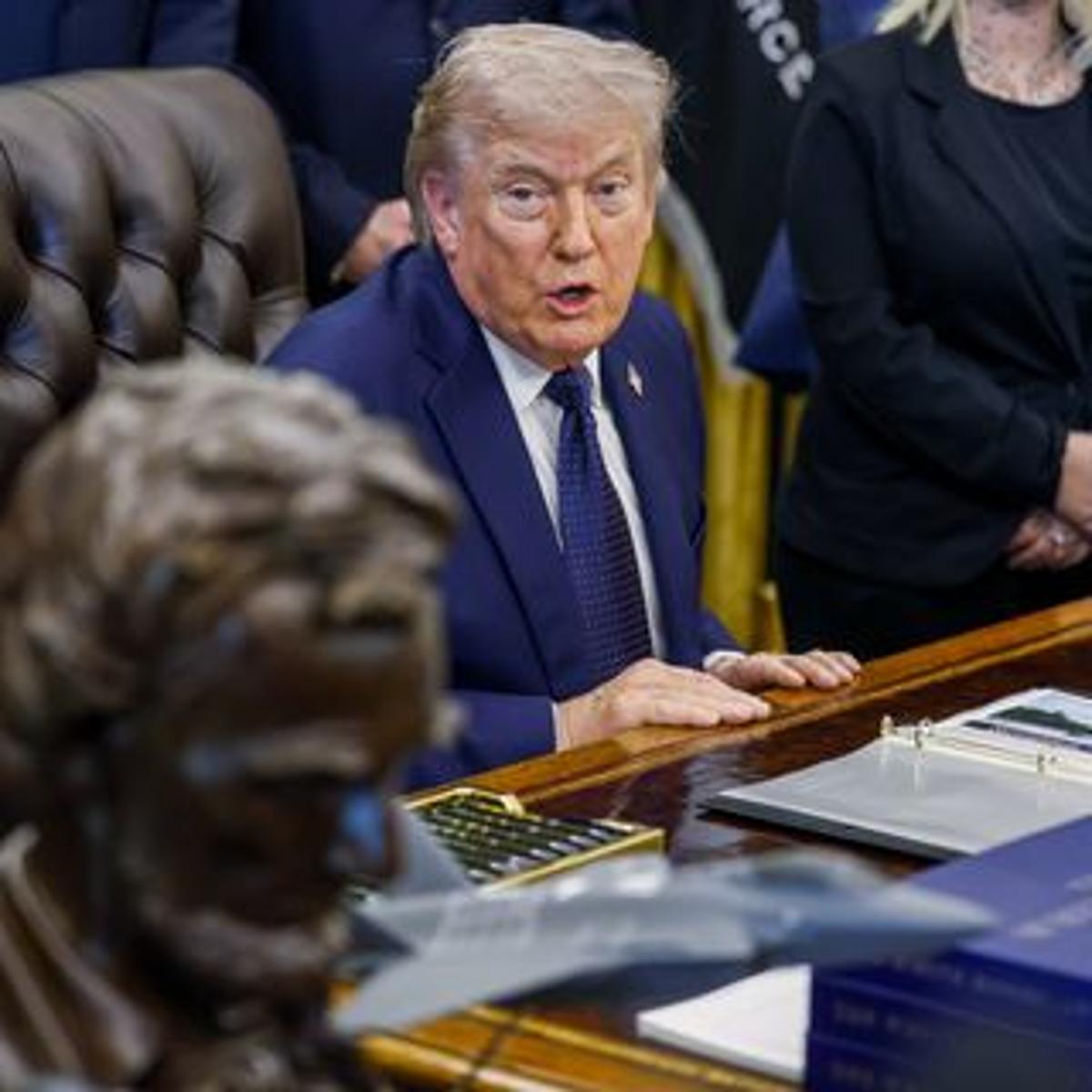
Scoop: Trump Huddles with Oil Execs as Iran Stalemate Drags On
Companies Mentioned
Why It Matters
The gathering highlights how geopolitical tensions in the Middle East are directly influencing U.S. energy policy and consumer fuel costs, forcing the administration to balance market stability with political pressures.
Key Takeaways
- •Trump met Chevron CEO Mike Wirth and other oil execs.
- •Meeting focused on Hormuz supply shock and rising gasoline prices.
- •White House weighed waiving Jones Act to ease domestic shipping.
- •Sustained high oil prices risk cutting U.S. fuel demand.
- •Supply cut lifts U.S. crude and LNG export market.
Pulse Analysis
The closure of the Strait of Hormuz, a chokepoint that moves roughly 25% of the world’s seaborne oil, has sent crude prices soaring to levels not seen since the early 2020s. With Iranian and allied vessels largely absent, the market is grappling with a sudden, sizable supply deficit that has rippled through futures contracts and spot markets alike. This shock has amplified price volatility, pushing U.S. gasoline to $4.18 per gallon and prompting analysts to reassess demand forecasts for the remainder of the year.
In Washington, the Trump administration is navigating a delicate political landscape. By inviting senior energy executives to the Oval Office, the president signaled a willingness to incorporate industry insight into policy decisions. Discussions centered on leveraging domestic production, accelerating progress in Venezuela’s oil sector, and exploring regulatory levers such as a temporary waiver of the Jones Act, which could free U.S.-flagged vessels to transport oil more efficiently. Treasury Secretary Scott Bessent and senior advisors also weighed the fiscal implications of higher fuel costs on inflation and consumer sentiment.
For the energy sector, the current environment presents both challenges and opportunities. While sustained high prices could suppress U.S. gasoline demand if consumers curb driving, the supply shortfall simultaneously creates a favorable export window for American crude and liquefied natural gas. Companies are positioning themselves to capture market share abroad, but they must also manage the risk of a demand slowdown if price spikes persist. The coming months will test the resilience of both domestic producers and policymakers as they seek to balance market stability with geopolitical realities.
Scoop: Trump huddles with oil execs as Iran stalemate drags on
Comments
Want to join the conversation?
Loading comments...