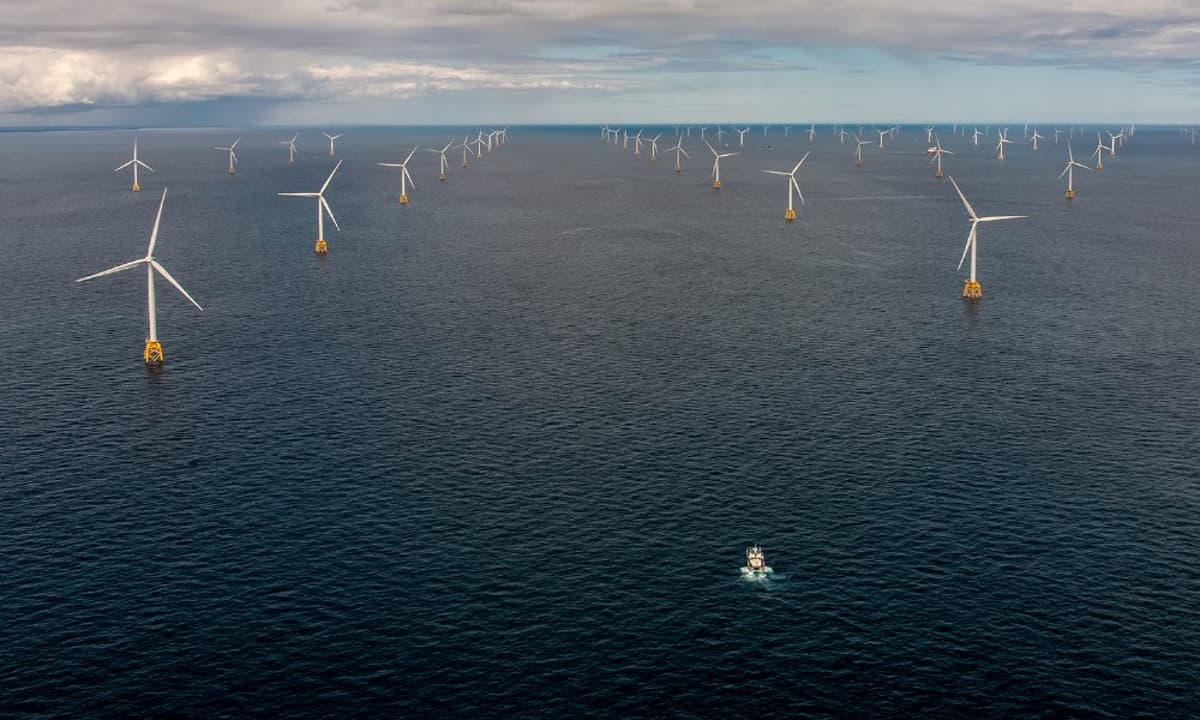
Scottish Offshore Wind Farm Stake Changes Hands in $208m Deal
Why It Matters
The sale accelerates TRIG’s debt‑reduction agenda, strengthening its balance sheet and underscoring private‑market appetite for mature offshore wind assets.
Key Takeaways
- •TRIG sells 17.5% Beatrice stake for £155 million.
- •Sale cuts group debt by £375 million, to ~$2.8 billion.
- •Proceeds will reduce revolving credit facility drawn at £240 million.
- •Deal priced at 4% discount to Dec‑2025 valuation.
- •Transaction expected Q3 signing, year‑end completion pending consents.
Pulse Analysis
The Beatrice offshore wind farm, located off Scotland’s north‑east coast, has become a focal point for investors seeking stable, long‑term renewable cash flows. By offloading its 17.5% share for roughly $208 million, TRIG not only meets a sizable portion of its £400 million ($536 million) capital‑realisation target but also signals confidence in the asset’s underlying economics. The 4% discount to the latest valuation reflects a market where mature projects are trading at modest premiums, offering buyers like Equitix Investment Management a foothold in a sector poised for further expansion as Europe tightens its decarbonisation timelines.
From a financial‑strategy perspective, the proceeds are earmarked to trim TRIG’s revolving credit facility, which stood at about £240 million ($322 million) at the end of March 2026. Reducing overall borrowings by £375 million ($503 million) will bring the company’s debt load down from roughly £2.1 billion ($2.81 billion) to a more manageable level, improving leverage ratios and freeing up capacity for future acquisitions or dividend distributions. This debt‑paydown move aligns with a broader trend among renewable infrastructure funds to optimise balance sheets ahead of potential rate‑rise cycles and tighter credit conditions.
The broader market implication is clear: private‑equity and infrastructure investors continue to view offshore wind as a resilient, inflation‑hedged asset class. The co‑shareholder pre‑emption underscores the scarcity of high‑quality, cash‑generating projects in Europe, prompting competitive bidding even at modest discounts. As the sector scales toward the 2030 net‑zero target, transactions like TRIG’s will likely accelerate, providing liquidity to seasoned players while inviting new capital into the offshore wind pipeline.
Scottish offshore wind farm stake changes hands in $208m deal
Comments
Want to join the conversation?
Loading comments...