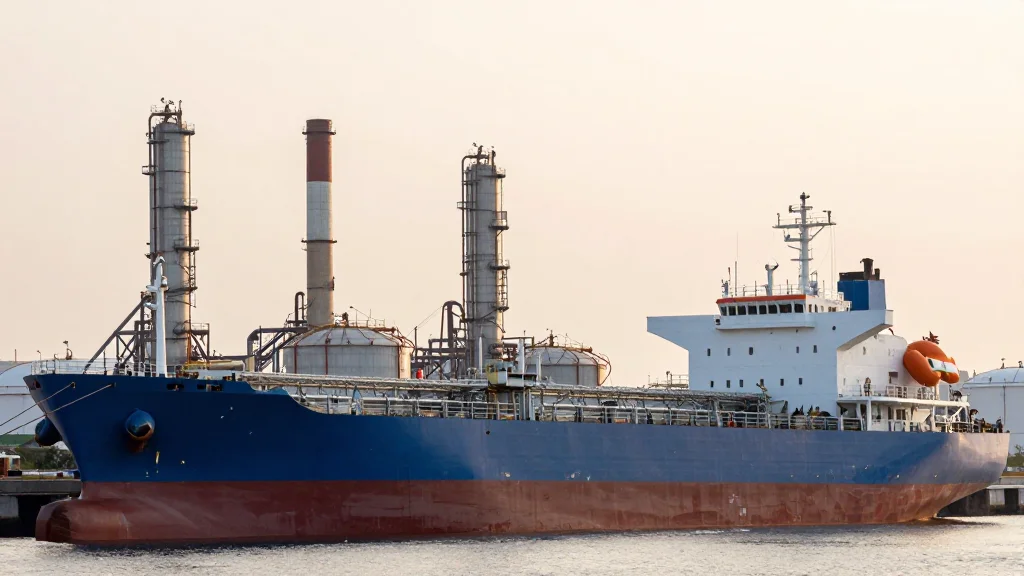
Share of Petroleum Products in Total Exports Slipped to 8.8% in FY26, the Lowest in over 10 Years
Companies Mentioned
Why It Matters
The shrinking export share and widening trade deficit signal pressure on India’s balance of payments and could spur policy shifts toward boosting refining capacity or diversifying export markets. Stakeholders must monitor sanctions and domestic demand dynamics that are reshaping the country’s oil‑trade landscape.
Key Takeaways
- •Petroleum export share fell to 8.8%, lowest in a decade.
- •Diesel and jet fuel exports dropped, pulling overall export down 5.5%.
- •Petrol exports grew 5.3% to 16.67 million tonnes.
- •Sanctions and domestic demand pressure widen India's oil‑trade deficit.
Pulse Analysis
India’s refined product export profile has entered a contraction phase, with the petroleum sector’s share of total exports slipping to 8.8% in FY26 – the weakest level since before the pandemic. While diesel and aviation turbine fuel shipments fell sharply, petrol volumes bucked the trend, expanding 5.3% to 16.67 million tonnes. The decline reflects a confluence of external and internal pressures: EU sanctions on Russian‑derived fuels, US curbs on Rosneft and Lukoil, and a surge in domestic consumption that absorbs more of the nation’s refining output.
The export slump has tangible macro‑economic repercussions. India’s oil‑trade deficit widened in dollar terms, even as Brent crude prices fell to an average of $70.3 per barrel in FY26. Crisil warns that the deficit could deepen further with Brent projected to average $90‑95 per barrel in FY27. Rising import volumes, coupled with stagnant export growth, erode the trade balance and strain foreign‑exchange reserves, prompting policymakers to reassess the country’s energy security strategy.
Looking ahead, India may need to recalibrate its refining and export roadmap. Options include accelerating refinery upgrades to handle higher‑value products, negotiating new trade agreements to offset sanction‑related losses, and encouraging downstream investment to capture more of the global demand for cleaner fuels. With domestic demand set to stay robust and geopolitical headwinds persisting, a proactive approach could help restore export momentum and mitigate the widening trade gap.
Share of petroleum products in total exports slipped to 8.8% in FY26, the lowest in over 10 years
Comments
Want to join the conversation?
Loading comments...