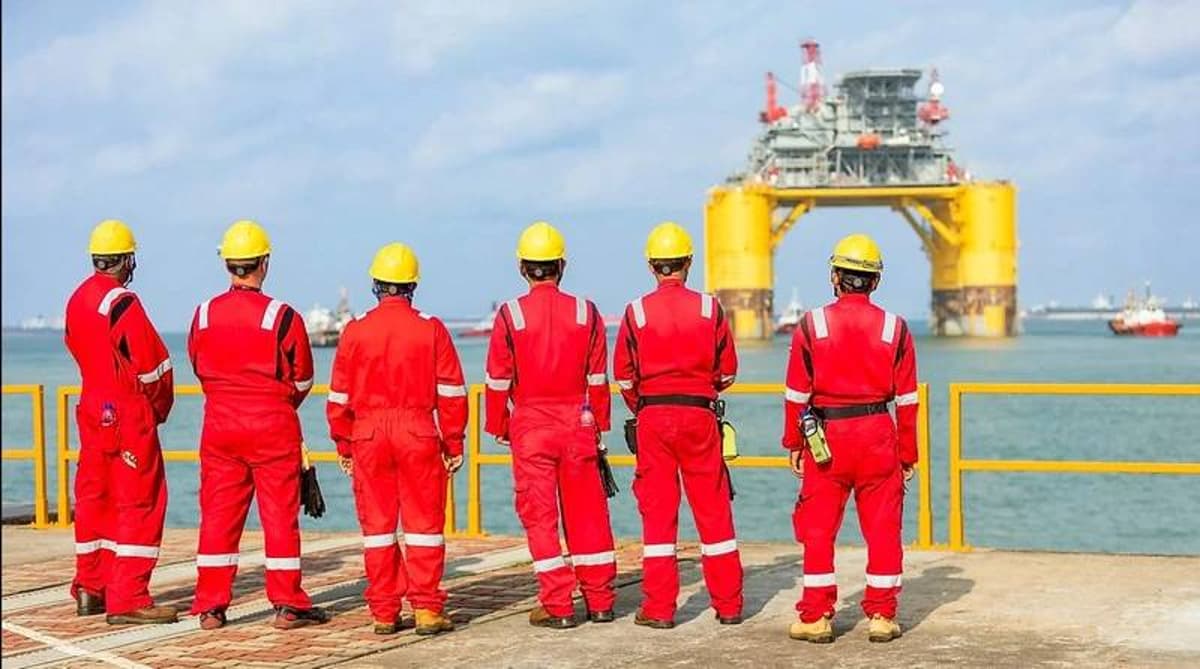
Shell Inks Oil and Gas Exploration Deals with Venezuela
•March 9, 2026
0
Companies Mentioned
Why It Matters
Resuming the Dragon project restores a major gas supply to Trinidad’s Atlantic LNG hub, boosting regional energy security and signaling renewed foreign investment in Venezuela’s reformed oil sector.
Key Takeaways
- •Shell signs multiple exploration deals with Venezuela.
- •Dragon gas project to export gas to Trinidad by Q3 2027.
- •U.S. licenses enable Shell to resume offshore operations.
- •Venezuela's oil reform aims to attract foreign investment.
- •Atlantic LNG plant running below capacity due to shortages.
Pulse Analysis
Shell’s latest agreements with Venezuela mark a turning point in the strained energy relationship that has lingered since Washington tightened sanctions after the 2020 political crisis. The U.S. Interior Secretary’s recent visit and the issuance of general licenses for oil and gas exploration have effectively lifted the regulatory cloud that stalled Shell’s offshore Dragon project for years. By aligning with Venezuelan engineering firm VEPICA and U.S. service providers KBR and Baker Hughes, Shell is positioning itself to capitalize on newly accessible hydrocarbon assets while navigating a cautiously optimistic diplomatic environment.
The Dragon field, located in the deepwater offshore basin, is slated to begin gas production in late 2027, with the first cargo destined for Trinidad’s Atlantic LNG plant by the third quarter of that year. This timeline dovetails with Trinidad’s need to replenish feedstock for its flagship liquefaction complex, which has operated at roughly 75 % of its 12‑million‑ton capacity due to recent gas shortages. By securing a reliable supply from Dragon, Shell not only bolsters the plant’s throughput but also strengthens the broader Caribbean gas market, offering a hedge against volatile spot prices.
Venezuela’s recent oil reform, which slashed taxes, expanded ministry authority and granted operational autonomy to private producers, is designed to lure capital back into a once‑thriving sector. The Shell deals serve as a litmus test for the reform’s effectiveness, signaling to other majors that the country can be a “safe and reliable” investment destination despite lingering political risks. If the Dragon project meets its export targets, it could catalyze further upstream contracts, stimulate job creation, and generate much‑needed foreign exchange, reinforcing Venezuela’s broader economic stabilization agenda.
Shell Inks Oil and Gas Exploration Deals with Venezuela
0
Comments
Want to join the conversation?
Loading comments...