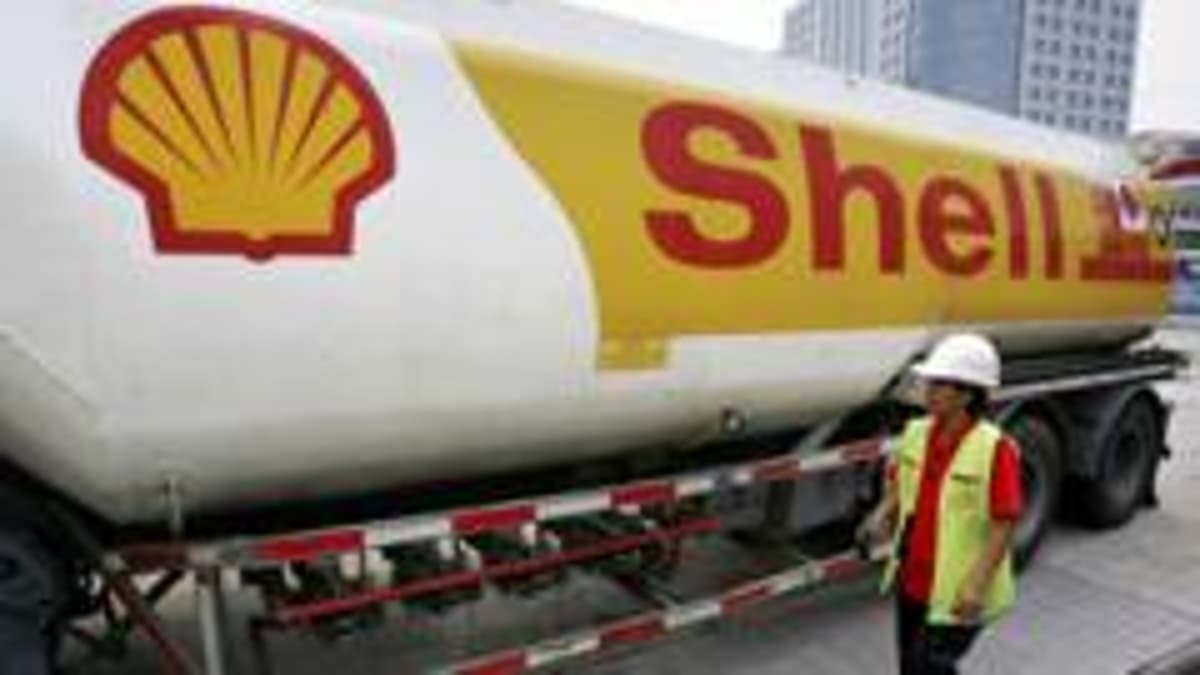
Shell Latest Oil Giant to See Profits Surge Due to Iran War Impact
Why It Matters
Higher earnings underscore how geopolitical shocks can rapidly reshape oil‑major cash flows, while the tax debate highlights growing political pressure on fossil‑fuel profits amid consumer price pain.
Key Takeaways
- •Shell Q1 profit $6.9bn, up from $5.6bn YoY
- •Oil price swing to $120/barrel boosted trading margins
- •Shell’s LNG output halted; Qatar assets damaged by conflict
- •UK windfall tax debate intensifies as profits surge
- •Maersk faces $0.5bn monthly cost rise, passes to customers
Pulse Analysis
The Iran‑related closure of the Strait of Hormuz has sent ripples through global energy markets, choking a chokepoint that moves roughly 20 % of world oil and LNG. With Brent crude jumping from $73 to peaks above $120 per barrel, oil majors like Shell have seen trading desks capture wider spreads, translating volatile price swings into record‑high quarterly earnings. This environment also pressures refiners, as higher feedstock costs are offset by stronger product margins, allowing Shell to post a $6.92 bn profit despite a 4 % drop in overall output.
Beyond the immediate price surge, Shell’s strategic moves reveal a longer‑term playbook. The $16.4 bn purchase of ARC Resources expands its North‑American shale footprint, diversifying away from volatile Middle‑East exposure and locking in cash‑flow resilience. Simultaneously, the company’s trading and refining gains are being scrutinized by policymakers; in the UK, environmental groups are urging a tighter windfall tax after the Energy Profits Levy was extended to 2030. With the UK’s domestic production representing less than 5 % of Shell’s global portfolio, the debate centers on whether overseas windfalls should fund domestic energy transition and consumer relief.
The ripple effects extend to logistics and broader inflationary pressures. Danish carrier Maersk reports an extra $0.5 bn in monthly costs, largely passed on to shippers, foreshadowing higher freight rates that could feed into consumer prices. As the Strait remains a geopolitical flashpoint, any future tolls or prolonged closures would echo the Suez and Panama canal dynamics, reshaping global supply chains. For investors and policymakers, the episode underscores the intertwined nature of geopolitical risk, commodity pricing, and the accelerating push toward renewable energy solutions.
Shell latest oil giant to see profits surge due to Iran war impact
Comments
Want to join the conversation?
Loading comments...