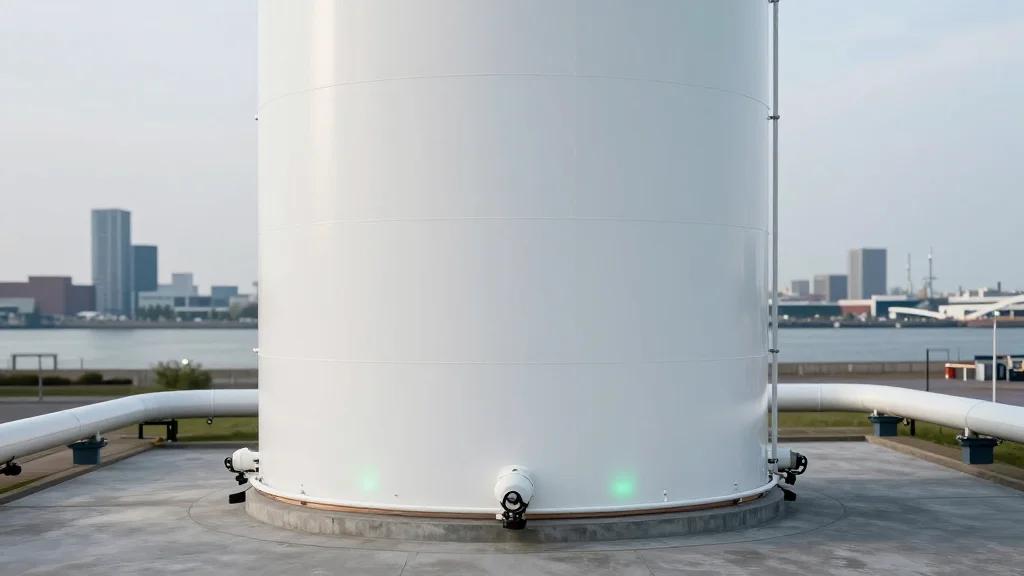
Shell Readies $1.17 B Holland Hydrogen 1 Plant in Rotterdam to Fuel Europe’s Clean‑fuel Push

Companies Mentioned
Why It Matters
The Holland Hydrogen 1 project is a litmus test for Europe’s ambition to decarbonise its most carbon‑intensive sectors. By delivering green hydrogen at scale, Shell aims to prove that renewable electricity can be converted into a transportable fuel that meets the volume and purity requirements of steel, chemicals and refining. Success would validate the EU’s subsidy framework, encourage further private capital, and accelerate the continent’s transition to net‑zero emissions. Conversely, the project’s financial and market uncertainties highlight the challenges of scaling green hydrogen—high capex, volatile renewable‑energy prices, and the need for a reliable offtake market. The outcome will shape policy debates on how much public funding is required to bridge the cost gap between green and grey hydrogen, and whether Europe can become a global exporter of clean fuel.
Key Takeaways
- •Shell’s Holland Hydrogen 1 valued at $1.17 billion, making it one of Europe’s largest green hydrogen plants.
- •The facility features a 200‑MW electrolyzer capable of producing roughly 10,000 tonnes of hydrogen annually.
- •A 32‑km pipeline built by Gasunie links the plant to a nearby industrial complex for immediate off‑take.
- •Located on the Maasvlakte 2 reclaimed zone in Rotterdam, the project leverages offshore wind power for electrolyser operation.
- •Commissioning slated for late 2026 with full commercial operation expected in early 2027.
Pulse Analysis
Shell’s entry into large‑scale green hydrogen with Holland Hydrogen 1 reflects a broader shift among oil majors toward diversified, low‑carbon portfolios. The company is leveraging its existing offshore wind assets and deep‑water expertise to create an integrated value chain—from renewable electricity generation to hydrogen production and distribution. This vertical integration could give Shell a cost advantage over pure‑play hydrogen developers that must source power on the open market.
Historically, Europe’s hydrogen ambitions have been hampered by a lack of commercial‑scale projects and uncertain policy signals. Holland Hydrogen 1, by tying directly into a dedicated pipeline and an industrial offtake hub, sidesteps many of the logistical bottlenecks that have plagued earlier pilots. If the plant can achieve a levelised cost of hydrogen (LCOH) below €4–5 per kilogram, it would set a benchmark that could unlock further private investment without relying on heavy subsidies.
Looking ahead, the project’s success will likely influence the EU’s upcoming hydrogen infrastructure plan, including the designation of hydrogen corridors and the allocation of additional funding under the Innovation Fund. Competitors such as Iberdrola, Ørsted and Air Liquide are already advancing their own electrolyser projects, so Shell must demonstrate operational reliability and cost competitiveness quickly. The next few months—particularly the commissioning phase—will be a decisive period for the company’s green hydrogen ambitions and for Europe’s broader clean‑energy transition.
Shell readies $1.17 B Holland Hydrogen 1 plant in Rotterdam to fuel Europe’s clean‑fuel push
Comments
Want to join the conversation?
Loading comments...