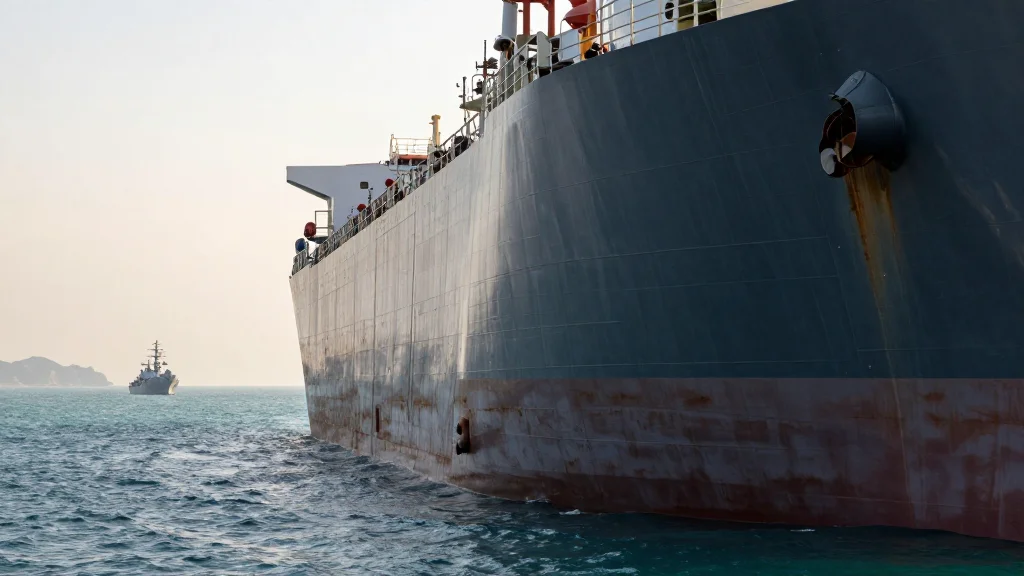
Shell Sees Tight Oil Supplies as Hormuz Remains Blockaded
Companies Mentioned
Why It Matters
The prolonged Hormuz blockage threatens global energy security, driving up prices and prompting major oil majors like Shell to accelerate diversification and acquisition strategies to safeguard supply chains.
Key Takeaways
- •900 million barrels of oil production lost due to Hormuz blockade
- •Brent crude rose 2.8% to $111 per barrel amid supply strain
- •Shell to acquire ARC Resources for $13.6 billion, boosting North American output
- •UAE's exit from OPEC adds pressure on Saudi-led production decisions
- •Sawan predicts tight oil and LNG markets through 2027
Pulse Analysis
The Strait of Hormuz blockade, a direct fallout of the February 2026 U.S.-Iran conflict, has choked roughly 20% of the world’s oil and natural gas flow. With Iraq, Kuwait and Qatar throttling output, global markets have felt a sharp supply shock, pushing Brent crude to $111 per barrel and prompting Asian importers to scramble for alternatives. This bottleneck not only inflates prices but also forces downstream users into fuel‑switching measures, underscoring the fragility of Middle‑East‑centric supply chains.
Shell’s strategic response centers on diversifying away from volatile regions. The $13.6 billion purchase of ARC Resources, a Canadian shale operator, adds a robust North American oil and gas platform that aligns with Shell’s long‑term production targets through 2030. The deal also underpins the LNG Canada export facility, positioning Shell to meet growing Asian demand while reducing reliance on Persian Gulf shipments. Although the acquisition was in the pipeline before the crisis, the timing highlights the accelerating need for geographic spread in the energy portfolio.
Looking ahead, Shell’s CEO predicts that tightness in both oil and LNG markets will persist well into 2027. Compounding the supply squeeze, the United Arab Emirates’ decision to exit OPEC weakens the cartel’s ability to coordinate output, leaving Saudi Arabia to shoulder greater market‑stabilizing responsibilities. Investors and policymakers will watch how major players balance inventory management, strategic acquisitions, and geopolitical risk mitigation to navigate an era of heightened energy volatility.
Shell Sees Tight Oil Supplies as Hormuz Remains Blockaded
Comments
Want to join the conversation?
Loading comments...