Should California Keep Its Last Nuclear Power Plant Running?
Why It Matters
Extending Diablo Canyon could preserve low‑carbon electricity and buffer against renewable intermittency, influencing California’s ability to meet its 2035 carbon‑free electricity target. The decision also sets a precedent for nuclear policy in other states facing similar energy‑security challenges.
Key Takeaways
- •Diablo Canyon slated to close 2030; extension under legislative review.
- •Plant supplies ~9% of California’s electricity, providing carbon‑free baseload.
- •Extension could cost billions, but avoids $1‑2 billion in replacement investments.
- •Safety, seismic risk, and decommissioning costs fuel opposition.
Pulse Analysis
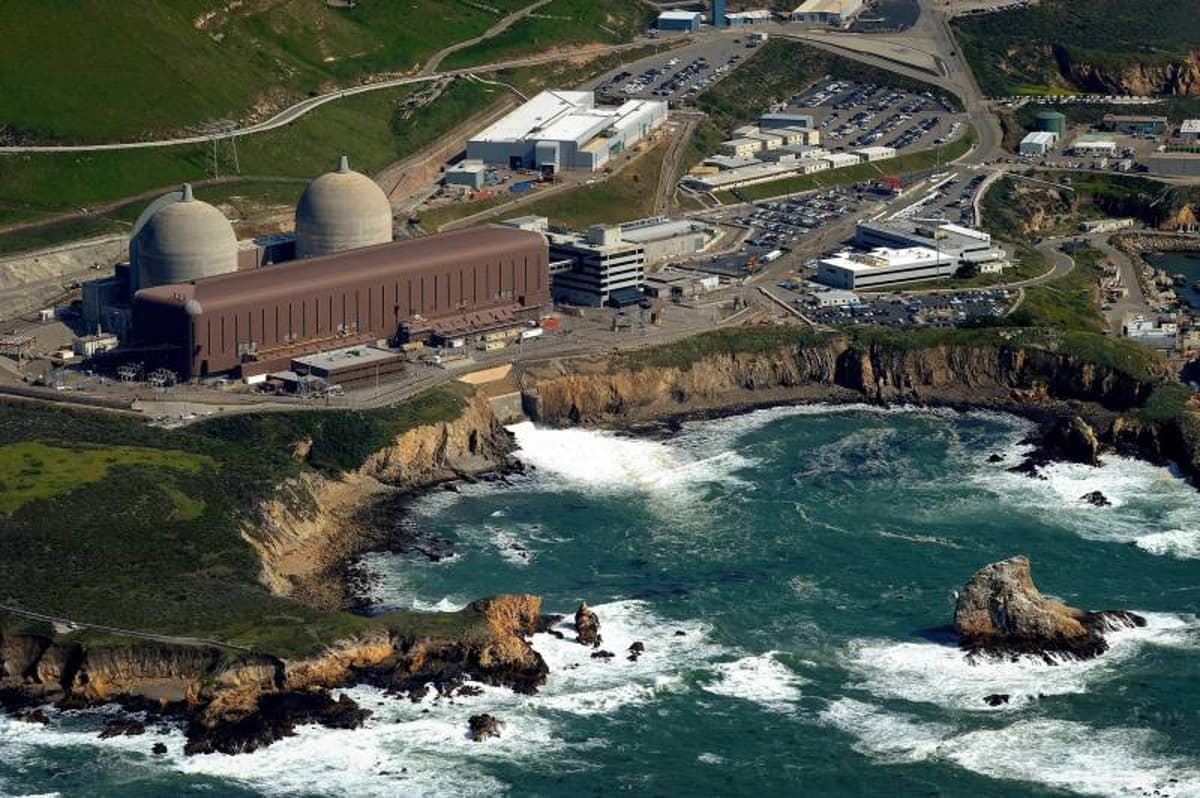
Diablo Canyon, a 2.2‑gigawatt pressurized‑water plant operated by PG&E, has been a cornerstone of California’s power mix for nearly four decades. While it currently generates roughly nine percent of the state’s electricity, its output is carbon‑free, offering a rare source of baseload power in a grid increasingly dominated by intermittent solar and wind. The plant’s coastal location, however, sits atop a known seismic zone, prompting regulators to impose a 2030 shutdown deadline under the state’s nuclear moratorium.
The economic calculus of extending Diablo Canyon is complex. Proponents estimate that keeping the reactors online could avert $1‑2 billion in immediate replacement costs, as utilities would otherwise need to procure additional natural‑gas peaker plants or accelerate costly battery storage projects. Yet the plant’s operating expenses have risen, and the capital outlay required for a license extension runs into the billions. Lawmakers must weigh these upfront costs against the long‑term benefit of a reliable, low‑carbon supply that can smooth the variability of renewable generation, especially as the tech sector’s power appetite continues to climb.
Beyond the balance sheet, the decision carries symbolic weight for California’s climate agenda. Extending the plant could help the state stay on track for its 2035 goal of 100% carbon‑free electricity, but it may also delay investments in next‑generation clean technologies and perpetuate public concerns over nuclear safety. As other states observe California’s approach, the outcome could influence national discourse on whether aging nuclear assets should be retained as transitional bridges or retired in favor of emerging renewable solutions.
Should California Keep Its Last Nuclear Power Plant Running?
Comments
Want to join the conversation?
Loading comments...