Companies Mentioned
Why It Matters
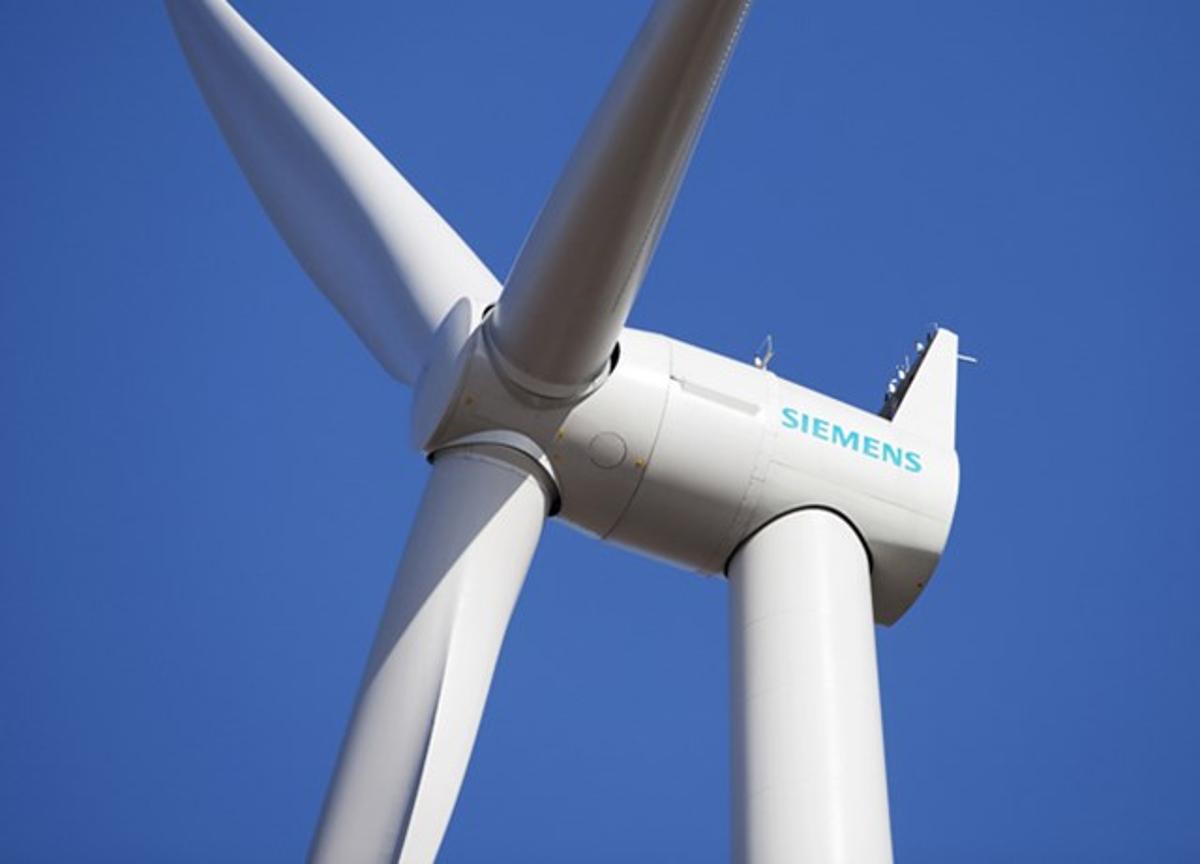
The wind turbine business is pivotal to Siemens Energy’s recovery, and its performance will shape the company’s valuation and strategic direction amid activist pressure.
Key Takeaways
- •Shareholders demand wind unit stabilization before spin‑off
- •Siemens Energy targets breakeven in 2026 after €1.36bn loss
- •Activist Ananym Capital values Siemens Gamesa at $10bn
- •AGM on Feb 26 will decide Gamesa’s future
- •DWS and Deka stress restructuring over immediate divestiture
Pulse Analysis
Siemens Energy’s wind turbine arm, Siemens Gamesa, has become a flashpoint for investors as the broader group battles a €1.36 billion loss recorded in 2025. The unit’s chronic under‑performance has eroded margins, prompting management to pledge a restructuring roadmap that targets breakeven by the end of 2026. This turnaround effort is critical not only for the company’s balance sheet but also for preserving its credibility in the rapidly expanding renewable‑energy market, where demand for offshore and onshore turbines is accelerating.
Activist pressure has intensified after Ananym Capital disclosed a stake and floated a $10 billion spin‑off valuation for Gamesa. While the proposal promises a potential premium for shareholders, major institutional investors such as DWS, Deka, and Union Investment argue that a premature divestiture could jeopardise the unit’s recovery. Their consensus is to prioritize operational fixes—cost cuts, supply‑chain optimisation, and technology upgrades—before any strategic separation is entertained. The upcoming annual general meeting on 26 February will serve as a litmus test for whether the board will entertain a spin‑off or commit to a deeper integration of the wind business.
The outcome carries broader implications for the renewable sector and for Siemens Energy’s positioning amid AI‑driven infrastructure growth. A stabilized Gamesa could become a cornerstone of Siemens Energy’s portfolio, leveraging the surge in data‑center and AI‑related power demand. Conversely, a delayed or failed turnaround may accelerate market share gains for rivals like Vestas and Ørsted. Stakeholders are watching closely, as the decision will signal how legacy industrial firms balance short‑term financial discipline with long‑term sustainability ambitions.
Siemens Energy investors urge wind focus


Comments
Want to join the conversation?
Loading comments...