Simple Bath Readies Lithium-Metal Anodes for Long-Range EVs
Why It Matters
By eliminating dendrites, the technique makes lithium‑metal batteries viable for mass‑market EVs, promising twice the driving range and faster charging while reducing safety risks.
Key Takeaways
- •1% water‑DMSO bath aligns lithium foil to stable (110) crystal orientation
- •Treated anodes achieved >2,000 charge cycles without dendrite‑induced shorts
- •Process uses inexpensive chemicals, suggesting low‑cost, scalable integration
- •Uniform lithium plating could double EV range versus graphite anodes
- •Scaling to large electrode areas remains the primary commercialization hurdle
Pulse Analysis
Lithium‑metal anodes have long been touted as the next breakthrough for electric‑vehicle batteries because they can store roughly twice the energy of conventional graphite anodes. The primary obstacle has been dendrite formation—microscopic lithium filaments that grow during charge cycles, pierce the separator, and cause short circuits. This safety issue has forced manufacturers to stick with graphite despite its lower energy density, limiting EV range and slowing the adoption of ultra‑fast charging technologies.
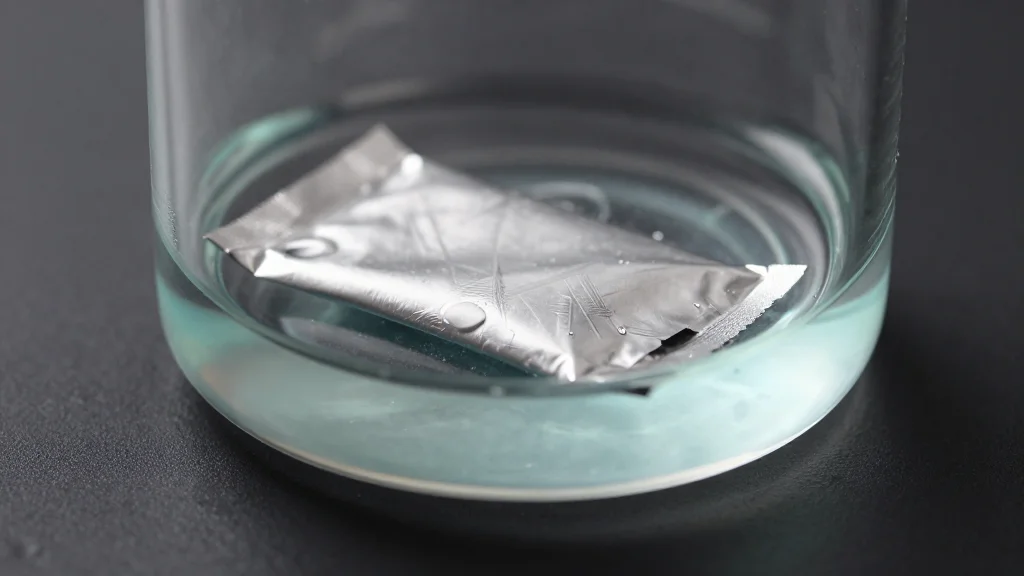
The breakthrough reported by Jiaxing Huang’s team at Westlake University sidesteps the dendrite problem with a surprisingly simple chemical bath. By immersing lithium foil in a 1 % water‑dimethyl sulfoxide solution for 20 minutes, the process selectively etches less‑stable crystal facets, allowing the remaining atoms to reorganize into a uniform (110) orientation. The resulting quasicrystalline surface promotes even lithium plating, as demonstrated in coin‑sized Li‑FePO4 cells that endured more than 2,000 cycles without failure. The method relies on inexpensive, readily available reagents, positioning it as a potential drop‑in step for existing battery‑manufacturing lines.
If the technique can be scaled from laboratory samples to full‑size electrodes, it could reshape the EV market. Uniform lithium‑metal anodes would enable vehicles to travel twice as far on a single charge and support higher charge‑rate protocols, addressing two of the biggest consumer concerns. However, industrial‑scale implementation will require uniform treatment across large foil rolls and integration with high‑throughput production lines. Success in these areas could accelerate the shift from graphite to lithium‑metal batteries, driving a new generation of longer‑range, faster‑charging electric cars.
Simple bath readies lithium-metal anodes for long-range EVs
Comments
Want to join the conversation?
Loading comments...