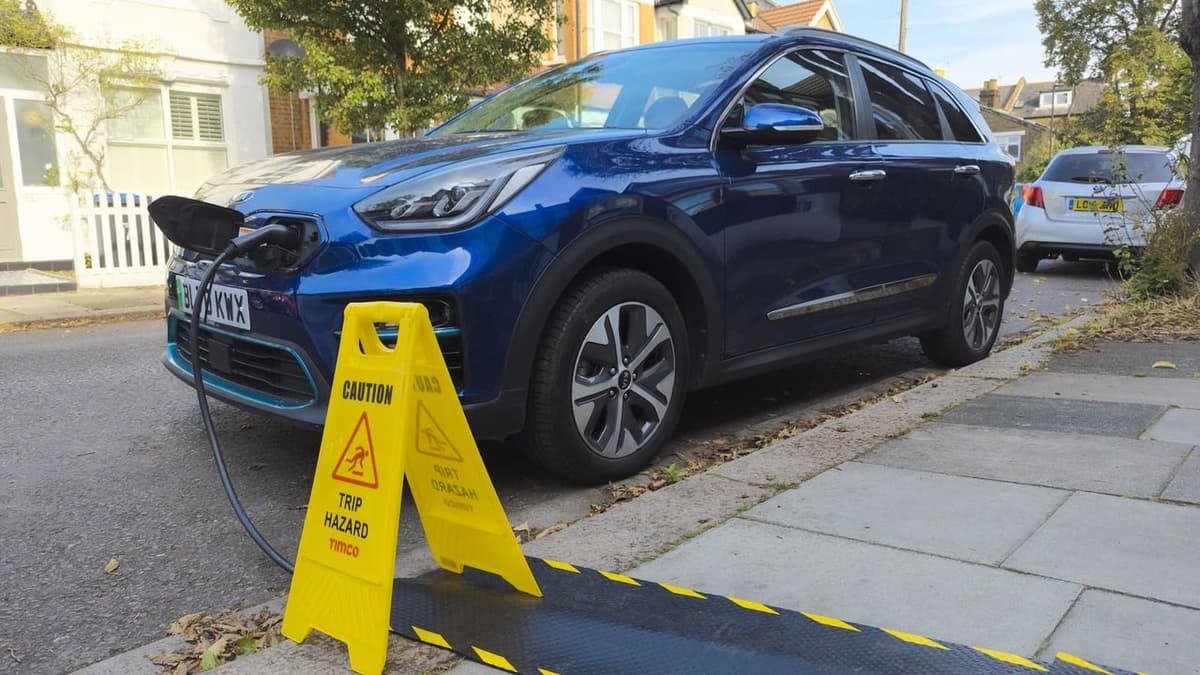
Simple EV Charger Installs May Be a Thing of the Past Due to New Rules, Says Industry Expert
Why It Matters
The stricter rules raise installation costs and technical barriers, potentially slowing residential EV adoption and shifting demand toward public charging infrastructure.
Key Takeaways
- •New UK wiring rules require load management for home EV chargers
- •Older homes may need electrical upgrades before charger installation
- •Margin for error shrinks as chargers integrate with whole‑home systems
- •Complex compliance could push consumers toward public charging stations
Pulse Analysis
The 2026 rollout of Amendment 4 to the UK Wiring Regulations marks a decisive pivot from plug‑and‑play EV chargers to fully integrated home energy solutions. By mandating rigorous load‑management calculations, dedicated circuit protection, and proper earthing, the new code aims to prevent overloads and fire hazards as electric vehicles become commonplace. Installers now act as system designers, coordinating chargers with solar panels, battery storage and existing consumer units, a shift that mirrors broader trends in smart‑home electrification.
For homeowners, the practical impact is immediate. Older properties, especially those built before the 1990s, often lack the capacity to support the sustained high draw of a Level‑2 charger. Upgrading a consumer unit, adding dedicated distribution boards, or even rewiring sections of the house can add several thousand pounds to the total project cost. This added financial and logistical burden may deter some buyers, nudging them toward street‑side or commercial charging points where the infrastructure is already compliant. The need for pre‑installation assessments also lengthens project timelines, influencing budgeting and planning for new builds and retrofits alike.
The industry response will likely shape the next phase of EV adoption in the UK. Installers must invest in advanced training and certification to meet the heightened compliance standards, creating a market for specialized services. Meanwhile, manufacturers may develop chargers with built‑in load‑balancing and communication protocols to simplify integration. If residential installations become too onerous, utilities and municipalities could see increased demand for public charging networks, accelerating the rollout of fast‑charge hubs in urban and suburban areas. Ultimately, the new rules aim to safeguard the grid while fostering a more resilient, interconnected energy ecosystem.
Simple EV charger installs may be a thing of the past due to new rules, says industry expert
Comments
Want to join the conversation?
Loading comments...