Companies Mentioned
Why It Matters
The accelerated deployment underscores Singapore’s commitment to decarbonisation and positions the city‑state as a regional clean‑energy hub. Meeting the 3 GW target will require innovative solutions to land constraints and greater reliance on regional power trade and storage.
Key Takeaways
- •Singapore added 504 MW solar in 2025, total 2.09 GW.
- •Rooftop installations account for over 80% of capacity.
- •2030 solar target raised to 3 GW after surpassing 2 GW.
- •Limited land availability could curb deployment speed despite falling costs.
- •Cross‑border imports and storage are emerging growth strategies.
Pulse Analysis
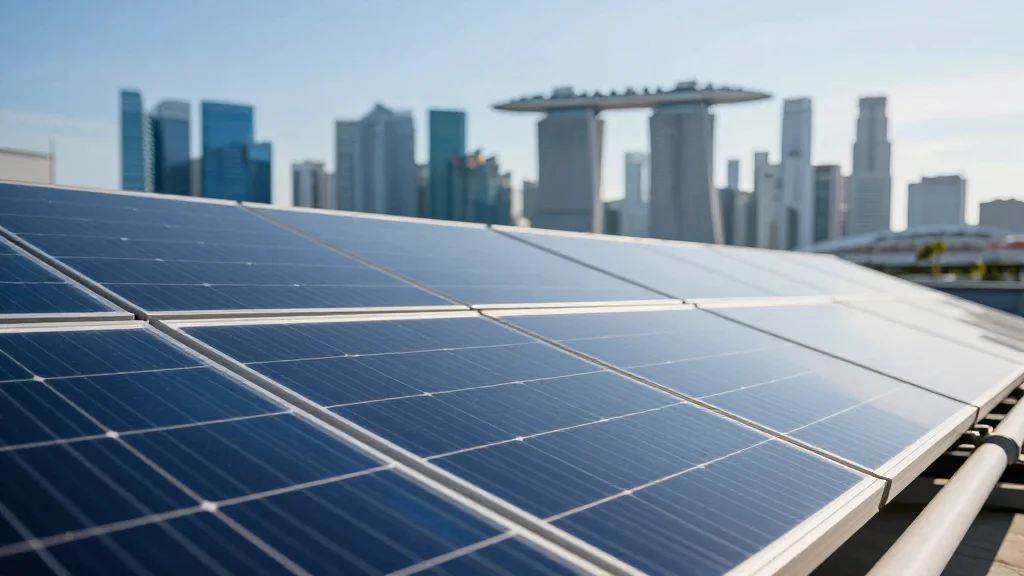
Singapore’s solar market hit a new high in 2025, with 504 MW of fresh capacity pushing cumulative installations past the 2 GW mark. The surge reflects a confluence of falling panel costs, shorter payback periods—now as low as five years—and robust government programmes such as SolarNova, SolarRoof and SolarLand. Rooftop projects dominate the landscape, but the completion of the 118 MW Jurong Island ground‑mounted farm signals a modest diversification into larger‑scale sites, bolstering the nation’s renewable mix.
Despite the momentum, Singapore faces two structural headwinds. First, the city‑state’s limited land area constrains the expansion of ground‑mounted farms, forcing developers to seek more complex, time‑intensive sites. Second, volatility in natural‑gas prices—Singapore’s primary generation fuel—heightens the economic appeal of solar, yet also introduces uncertainty for long‑term planning. To mitigate these pressures, the Energy Market Authority reported 213 MW of operational energy‑storage systems, a critical asset for smoothing intermittency and enabling demand‑response strategies.
Looking ahead, policymakers are eyeing regional integration as a pragmatic path to scale. Recent approvals for a 1 GW hydropower import from Malaysia and a solar‑supply‑chain partnership with Indonesia illustrate a shift toward cross‑border clean‑energy trading. Coupled with the revised 3 GW target for 2030 and forecasts of 300‑400 MW annual additions through 2035, Singapore is poised to become a hub for renewable procurement, storage, and grid modernization in Southeast Asia. Investors and developers should monitor regulatory incentives that could count imported solar toward national targets, unlocking new revenue streams and accelerating the nation’s green transition.
Singapore installs 504 MW of solar in 2025
Comments
Want to join the conversation?
Loading comments...