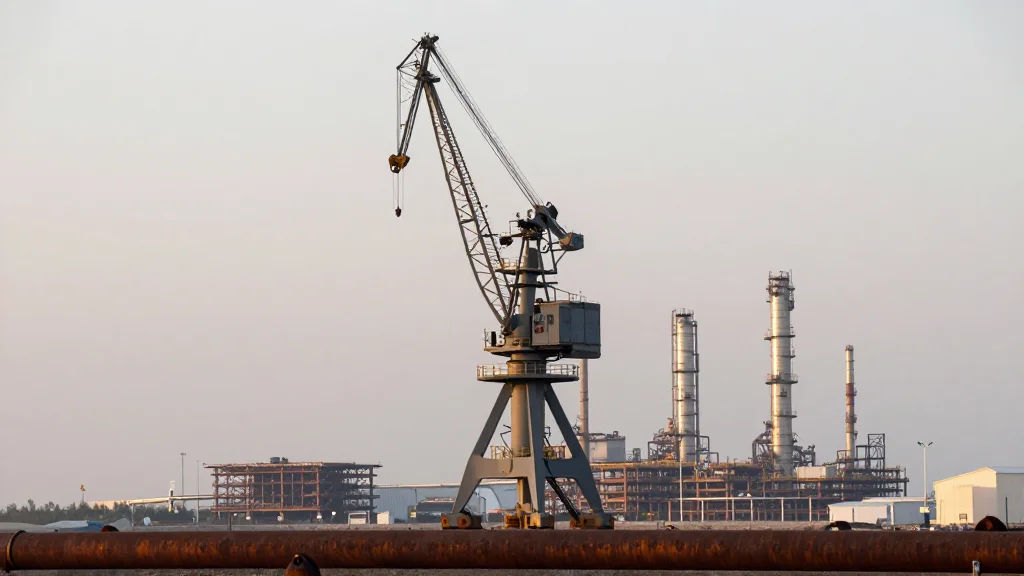
Skilled Labor Shortage Threatens US Gas, Data Center Build-Out
Why It Matters
Higher labor costs and delayed completions jeopardize U.S. energy reliability and the rapid expansion of data‑center capacity, affecting both consumers and investors.
Key Takeaways
- •Gulf Coast LNG projects face rising labor costs.
- •Pipeline construction timelines extend due to worker scarcity.
- •Power generation firms report hiring gaps in welding and electrical trades.
- •Data center developers anticipate higher build‑out expenses.
- •Industry calls for vocational training and immigration reforms.
Pulse Analysis
The skilled‑labor crunch has deep roots in an aging workforce and a decline in vocational enrollment over the past two decades. As baby‑boomers retire, fewer younger workers are entering trades such as welding, pipefitting and high‑voltage electrical work. This demographic shift is compounded by immigration policy constraints that have historically supplied a steady stream of specialized labor to the energy sector. The result is a tightening labor market that drives up hourly wages and forces contractors to compete aggressively for a limited talent pool.
For LNG exporters on the Gulf Coast, the shortage translates into higher capital expenditures as project developers allocate more budget to labor and overtime premiums. Similar pressures are evident in pipeline construction, where delayed weld inspections and crew shortages push completion dates back months, inflating financing costs. Power generators, especially those retrofitting plants for cleaner fuels, face bottlenecks in securing qualified electricians and pipefitters, slowing the transition to lower‑carbon operations. Data‑center firms, which rely on rapid build‑outs to meet cloud demand, now confront unexpected cost overruns and schedule risks, potentially passing expenses to enterprise customers.
Stakeholders are responding with a mix of short‑term and long‑term strategies. Companies are increasing apprenticeship funding, partnering with community colleges, and offering sign‑on bonuses to attract talent. Policy advocates push for broader work‑visa categories and streamlined credential recognition to tap global expertise. Meanwhile, automation and modular construction technologies are being explored to reduce reliance on manual labor. If these measures gain traction, the industry could mitigate the current squeeze, preserving project timelines and keeping energy and digital infrastructure costs in check.
Skilled Labor Shortage Threatens US Gas, Data Center Build-Out
Comments
Want to join the conversation?
Loading comments...